

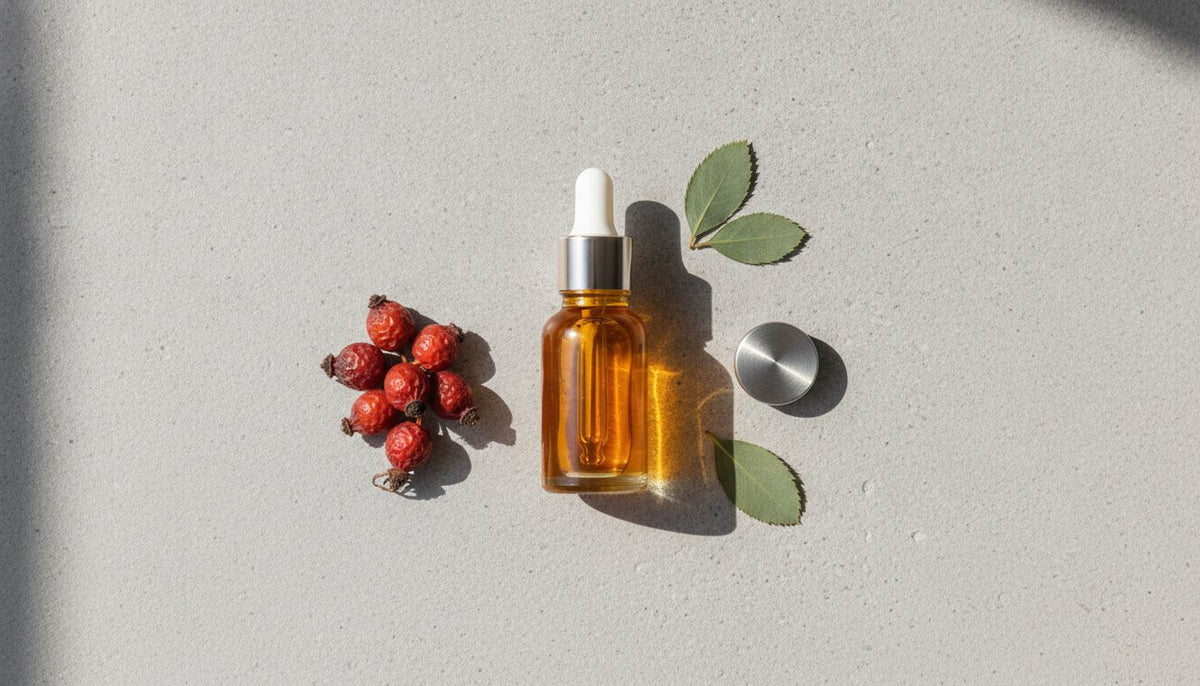
The secret to a flawless piercing isn't just about the jewelry you choose; it's about the botanical support you provide during the skin's most critical recovery phase. You've likely felt the frustration of a persistent piercing bump or the anxiety that a beautiful new addition might leave a permanent mark. It's exhausting to cycle through products only to find your skin remains red, raised, and irritated. We understand that your body art is an investment in self-expression, and you deserve a routine that protects that vision.
Discover how rosehip oil for piercings can transform your aftercare from a source of stress into a ritual of restoration. This guide will show you how to reduce scarring, soothe stubborn bumps, and achieve flat, healthy skin safely. We'll break down the science of tissue regeneration, the importance of waiting until the four to six week mark, and the exact steps to integrate this premium oil into your daily maintenance. It is time to move past the confusion and embrace a clear, professional path to a perfectly healed piercing.
Key Takeaways
- Learn why timing is critical and why you should wait at least four to six weeks before introducing oils to a new piercing.
- Understand the role of Trans-Retinoic Acid and essential fatty acids in flattening persistent irritation bumps and fading discoloration.
- Discover why rosehip oil for piercings is the premier choice for tissue remodeling and scar care compared to other botanical oils.
- Master a safe application protocol that combines sterile saline cleansing with high-quality oils for an effective and hygienic routine.
- Develop a long-term maintenance strategy to keep your skin elastic and protected against harsh environmental factors or dry climates.
What is Rosehip Oil and Is It Safe for Piercings?
Rosehip oil is a botanical lipid rich in pro-vitamin A for skin remodeling. It is a specialized tool for those seeking to refine their aesthetic and protect their skin's integrity. Unlike many trendy fixes, rosehip oil for piercings is backed by biological logic; it provides the building blocks the skin needs to repair itself. To truly appreciate its benefits, one should ask: What is Rosehip Oil and why is it so effective? This cold-pressed oil is harvested from the seeds of wild rose bushes, specifically Rosa canina. It is packed with omega fatty acids, antioxidants, and vitamins.
There is a critical safety distinction to make: rosehip oil is a healing oil, not a cleaning agent. It is designed to nourish tissue, not to sterilize a wound. Using it as a cleanser is ineffective and potentially harmful if done too early. For sterilization, stick to a sterile saline solution. Patience is a requirement. You must wait until the piercing is stable, which typically occurs between 6 to 12 weeks. Applying oil too early can trap bacteria and lead to complications.
Identifying the right candidate for oil treatment is essential. It is highly effective for hypertrophic scars and minor irritation bumps. These are the firm, raised bumps that stay within the boundary of the piercing. It also works wonders on general irritation caused by friction or jewelry movement. However, it is not a cure for keloids, which are larger, permanent growths that often require medical intervention. If you are experiencing a persistent bump that is red and slightly raised, rosehip oil can help flatten the tissue and restore a natural skin tone.
Rosehip Oil vs. Rose Essential Oil
The difference between carrier oils and volatile essential oils is a matter of safety and concentration. Rosehip oil is a carrier oil; it is gentle, stable, and safe for direct skin contact. Conversely, rose essential oil is a volatile substance that can be incredibly harsh on delicate piercing sites. When selecting a product, look for "cold-pressed" and "unrefined" labels. These terms ensure the oil was extracted without high heat, preserving the delicate nutrients your skin needs to thrive.
When to Start Using Oil in Your Aftercare
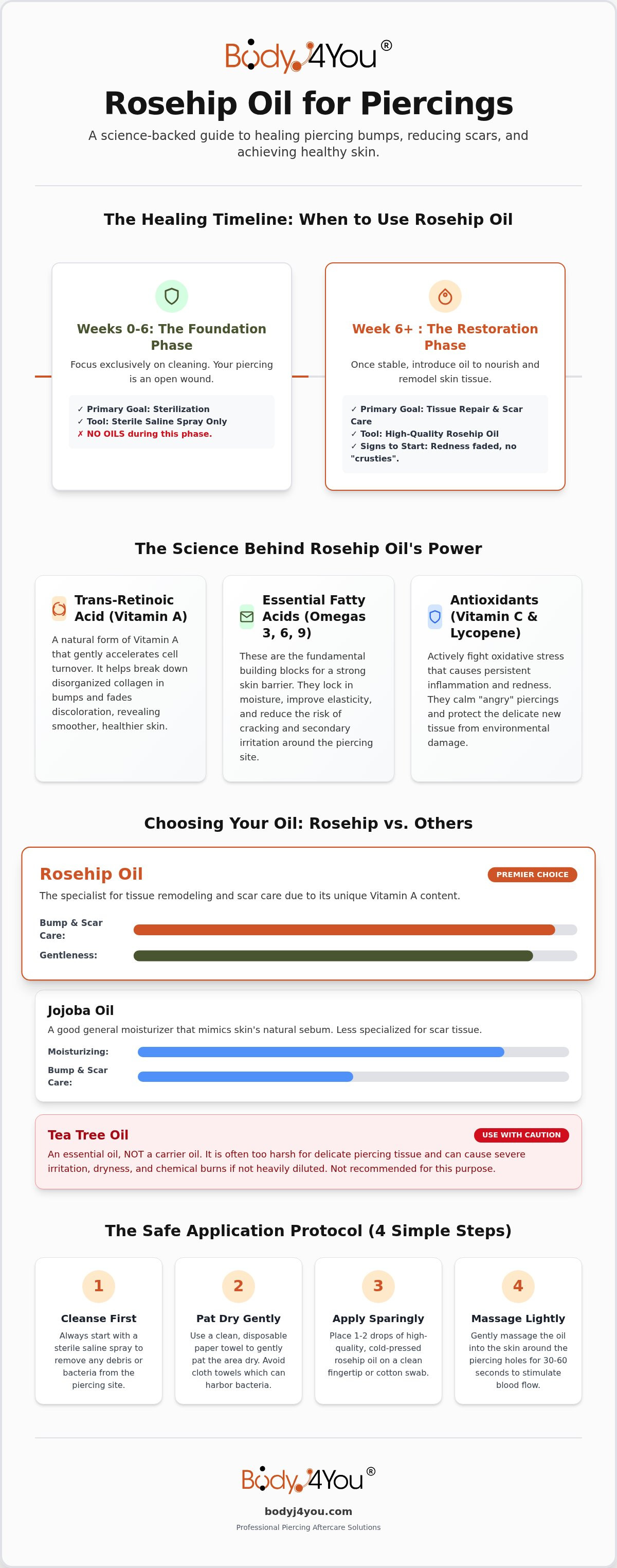
Timing is everything. During the first six weeks, your focus remains on irrigation and cleanliness. Use a Saline Piercing Aftercare Spray to keep the area clear of debris. You'll know the skin is ready for Rosehip oil when the redness fades, the "crusties" disappear, and the tissue feels stable. If you see signs of active infection like pus or extreme heat, stop. Oils are for healing, not for fighting clinical infections. Once the skin is calm, rosehip oil becomes the perfect partner for long-term health.
The Science of Healing: How Rosehip Oil Fixes Piercing Bumps
Understanding why a piercing bump forms is the first step toward resolving it. These raised areas are often the result of the body overproducing collagen in response to localized trauma or persistent irritation. While standard aftercare focuses on cleanliness, rosehip oil for piercings targets the underlying tissue architecture. It works as a biological architect. It remodels, refines, and restores the skin by delivering a concentrated dose of nutrients directly to the site of the trauma.
The efficacy of this botanical powerhouse lies in its complex chemical profile. It contains a vital trio of essential fatty acids: Omega 3, Omega 6, and Omega 9. These lipids are the building blocks of the skin barrier. They reinforce the cellular walls, lock in moisture, and prevent the "cracking" that often leads to secondary irritation. Combined with the antioxidant power of Vitamin C and Lycopene, the oil actively reduces the oxidative stress that keeps a piercing looking "angry" and inflamed.
When you apply a high-quality, cold-pressed oil to a stable piercing, you're initiating a process of scar remodeling. The oil penetrates deep into the dermis to help break down the disorganized collagen fibers that make up a bump. This results in a smoother surface and more elastic tissue. If you've been struggling with a stubborn protrusion, using a dedicated Rosehip oil can provide the restorative boost your skin needs to finally flatten out.
Vitamin A and Tissue Regeneration
The standout component of rosehip oil is trans-retinoic acid, a natural form of Vitamin A. Unlike synthetic retinols that can cause peeling or extreme dryness, this natural acid is highly bioavailable and gentle. It speeds up cell turnover, pushing healthy new cells to the surface while fading the damaged tissue. This is particularly beneficial for cartilage piercings, such as the nose, helix, or industrial. These areas have limited blood flow and often struggle to shed the excess tissue that forms during a difficult healing phase.
Reducing Redness and Discoloration
Persistent redness is a sign of chronic inflammation. Rosehip oil contains anthocyanin, a pigment with potent anti-inflammatory properties that calms the vascular response around a piercing. It effectively addresses hyperpigmentation, the dark or purple spots often left behind once an irritation bump finally recedes. By soothing the skin and evening out the tone, the oil ensures that your jewelry remains the focal point, not the surrounding skin. It provides a clean, polished, and healthy aesthetic for your body art. To maintain this level of radiance, integrating Ayurvedic skincare from Aroota can help nourish and protect your skin throughout its natural cycles.
Every botanical oil brings a unique set of biological tools to your aftercare kit. Selecting the right one depends entirely on your skin's current needs. Rosehip oil is for remodeling. Jojoba is for maintenance. Tea tree is for defense. While they all originate from nature, their chemical profiles dictate how they interact with your piercing fistula. For those navigating the recovery process, rosehip oil for piercings stands out as the premier choice for tissue refinement and long-term scar management.
Jojoba oil is technically a liquid wax that closely mimics human sebum. It is the gold standard for moisturizing stretched earlobes or keeping established piercings from becoming brittle in dry weather. Tea tree oil, on the other hand, is a potent antiseptic. It is highly effective at fighting off the early signs of a minor infection, but it is also incredibly volatile. Using a single-ingredient approach can be helpful, but a professionally formulated Piercing Bump Treatment Oil is often superior. These blends combine the strengths of various botanicals to provide a balanced, safe, and effective solution for complex irritation.
Why Rosehip Wins for Scars
Rosehip oil is remarkably lightweight compared to heavier options like castor oil. It is non-comedogenic, meaning it won't clog the delicate piercing channel or trap unwanted debris. This breathability is vital. It allows the trans-retinoic acid to penetrate the dermis without suffocating the skin. If your goal is to flatten a raised area, you should review our guide on How to Get Rid of a Piercing Bump Fast. Rosehip oil provides the specific regenerative nutrients required to even out skin tone and texture without the risk of breakouts around the jewelry site.
The Problem with Undiluted Tea Tree Oil
We often see the damage caused by "DIY" aftercare. Undiluted tea tree oil can cause severe chemical burns on sensitive piercing sites, leading to more trauma rather than less. It is a harsh substance that requires a gentle carrier. Rosehip oil acts as the perfect biological buffer. It carries the antibacterial properties of more aggressive oils into the skin while protecting the surface from dehydration and stinging. By using a pre-blended oil, you ensure the concentration is dermatologically safe. This professional approach prioritizes the integrity of your skin and the longevity of your self-expression.
How to Apply Rosehip Oil to Your Piercing (The Safe Way)
Proper application is the bridge between a problematic piercing and a polished look. You cannot simply rub oil onto an uncleaned site and expect results. Hygiene is your foundation. Precision is your tool. Results are your reward. Using rosehip oil for piercings requires a disciplined approach to ensure the skin remains breathable while receiving the nutrients it needs to remodel. Follow this structured protocol to maximize the healing potential of your botanical aftercare.
- Step 1: Cleanse. Irrigate the area with Sterile Saline Spray. This removes environmental pollutants and any accumulated debris, creating a receptive surface for the oil.
- Step 2: Prep. Wash your hands thoroughly with antimicrobial soap. Use Piercing Cleaning Swabs to apply a single drop of oil. These specialized swabs allow for pinpoint accuracy without the risk of introducing bacteria from your fingertips.
- Step 3: Massage. Use the specific technique detailed below to encourage tissue remodeling.
- Step 4: Frequency. Limit your application to once or twice daily. Consistency is more important than quantity. Over-saturating the site can clog the fistula and hinder the healing process.
The Massage Technique for Bumps
The "compress and circular motion" method is the most effective way to address tissue overgrowth. By applying light, steady pressure with a clean swab, you encourage the skin to flatten and remodel the disorganized collagen fibers mentioned earlier. This physical manipulation increases localized blood circulation. Better blood flow ensures that more oxygen and regenerative nutrients reach the damaged tissue. Don't attempt this if the piercing is still "leaking," painful, or feels hot to the touch. Massage is a tool for stable tissue, not for an active wound or a suspected infection.
Common Application Mistakes to Avoid
A frequent error is the belief that more oil leads to faster healing. In reality, "less is more." A thin, breathable layer is all your skin needs. Excess oil can block oxygen flow to the piercing channel, which actually slows down the recovery. Another risk is leaving oil on the skin overnight without a prior cleaning. This can trap sweat and bacteria against the wound. Finally, avoid mixing your oil with harsh chemicals like rubbing alcohol or hydrogen peroxide. These substances strip the skin of the very lipids the oil is trying to replace. For the best results, use our premium Rosehip oil as a standalone supplement to your saline routine.
Long-Term Piercing Health and Maintenance
Once the initial drama of a piercing bump has subsided, your journey shifts toward preservation. Skin elasticity is the key to longevity. Safeguard your skin. Enhance your art. Trust the process. Using rosehip oil for piercings as part of a consistent maintenance routine ensures the fistula remains supple and resilient. This is particularly important for cartilage sites or heavily manipulated areas where the tissue can become brittle over time.
Environmental stressors are often overlooked in body art care. Dry climates and harsh winter months strip the skin of its natural moisture, which leads to "cracking" and micro-tears around the jewelry. A thin layer of rosehip oil acts as a biological shield. It locks in hydration and provides a durable barrier against the elements. This preventative measure stops irritation before it begins, keeping your piercings looking as fresh as the day they were performed.
Maintenance also involves the materials you choose to wear. High-quality jewelry is the partner of high-quality skincare. Materials like implant-grade titanium or 316L surgical steel are non-reactive and work in harmony with your skin's biology. While botanical oils are powerful, they have limits. If you notice extreme swelling, fever, or a bump that continues to grow despite consistent care, consult a professional piercer. Safety remains the priority in every stage of self-expression.
Integrating Oil into a Daily Routine
Treating your piercings like an extension of your facial skincare routine yields the best results. Apply a small amount of oil as a "night treatment" to allow the regenerative nutrients to work while you sleep. For those with stretched lobes, this practice is essential for maintaining lobe thickness and preventing the thinning that can occur with age or heavy jewelry. If you're currently in the process of stretching, refer to our Ear Gauge Size Chart to ensure you're moving at a safe, healthy pace for your skin.
The BodyJ4You Commitment to Quality
We believe in the intersection of safety and personal aesthetics. BodyJ4You brings over 20 years of industry experience to every formulation we offer. Our skincare line is manufactured in the USA, ensuring strict quality control and dermatologically minded standards that you can trust. We prioritize your long-term well-being over fleeting trends. When you choose our products, you're choosing a legacy of expertise and a commitment to ingredient integrity. It's time to elevate your aftercare and protect your investment. Shop our Organic Rosehip and Aftercare Oils today to secure the future of your body art.
Elevate Your Healing Ritual
Achieving a flawless look for your body art requires a delicate balance of patience, precision, and high-quality care. You now understand that timing is everything. Waiting until your piercing is stable allows the regenerative power of trans-retinoic acid to work effectively. By integrating rosehip oil for piercings into your routine, you're choosing a botanical specialist that flattens irritation bumps and restores natural skin elasticity. This journey is about more than just hiding a mark; it's about honoring your self-expression with professional-grade support that keeps your skin supple, healthy, and resilient.
BodyJ4You has been a trusted guardian in the piercing community for over 20 years. Our formulations are 100% organic, cold-pressed, and proudly made in the USA to ensure clinical-level purity. We believe your skin deserves a routine that is as safe as it is aspirational. It's time to move past the frustration of persistent bumps and reclaim your confidence. Restore your skin with BodyJ4You Organic Rosehip Oil and give your body the premium care it needs to thrive. Your journey to vibrant, healthy skin starts with a single drop.
Frequently Asked Questions
Can I use rosehip oil on a new piercing?
No, you shouldn't use rosehip oil on a brand new piercing. We recommend waiting at least four to six weeks, or until the initial wound has stabilized, before introducing any oils to the area. Fresh piercings require sterile saline to irrigate the site and prevent bacteria from being trapped. Applying oil too early can create a seal that hinders oxygen flow, potentially leading to complications during the most vulnerable stage of recovery.
How long does it take for rosehip oil to get rid of a piercing bump?
Results typically appear within two to four weeks of consistent, daily application. While every body heals at its own rate, the trans-retinoic acid in rosehip oil needs time to facilitate cellular turnover and tissue remodeling. You'll likely notice a gradual flattening of the bump and a reduction in redness over this period. For the best outcome, maintain a disciplined routine of cleaning the area before applying rosehip oil for piercings.
Will rosehip oil cause an infection?
Rosehip oil for piercings won't cause an infection if applied to a stable, clean piercing with sanitized hands. However, applying any oil to an uncleaned site or a fresh wound can trap debris and bacteria against the skin. This occlusion can lead to irritation or localized breakouts. Always ensure you're using a high-quality, cold-pressed product and following a strict hygiene protocol to maintain the integrity of your skin and jewelry site.
Is rosehip oil better than saline for piercings?
These products serve entirely different roles in your aftercare journey and shouldn't be compared as better or worse. Saline is a cleaning agent designed to sterilize the wound and remove debris during the initial healing phase. Rosehip oil is a healing supplement intended for tissue remodeling and scar care once the piercing is no longer an open wound. Use saline for essential hygiene and rosehip oil for long-term skin health and aesthetics.
Can I use rosehip oil on my nose piercing bump?
Yes, rosehip oil is highly effective for managing persistent nose piercing bumps. Cartilage piercings are notoriously prone to hypertrophic scarring and irritation because of limited blood flow in the area. The natural Vitamin A in the oil encourages faster cell regeneration in these stubborn spots. When applied with a gentle massage technique, it helps flatten the raised tissue and even out the skin tone around your nostril or septum jewelry.
Does rosehip oil help with keloids on piercings?
Rosehip oil is not a treatment for true keloids. Keloids are permanent, genetic overgrowths of scar tissue that often require medical intervention or surgical removal. This botanical oil is specifically intended to address hypertrophic scars and irritation bumps, which are far more common. If you have a firm, raised bump that stays within the boundaries of the piercing, rosehip oil can help; however, consult a dermatologist for suspected keloids.
What should I do if my piercing reacts badly to the oil?
Stop using the oil immediately if you experience increased swelling, intense itching, or a spreading rash. While rare with organic, cold-pressed oils, individual sensitivities can occur. Clean the area thoroughly with a Saline Piercing Aftercare Spray to remove any remaining residue. If the irritation doesn't subside within 24 to 48 hours, or if you see signs of a clinical infection like pus or fever, seek advice from a professional piercer or healthcare provider.


