

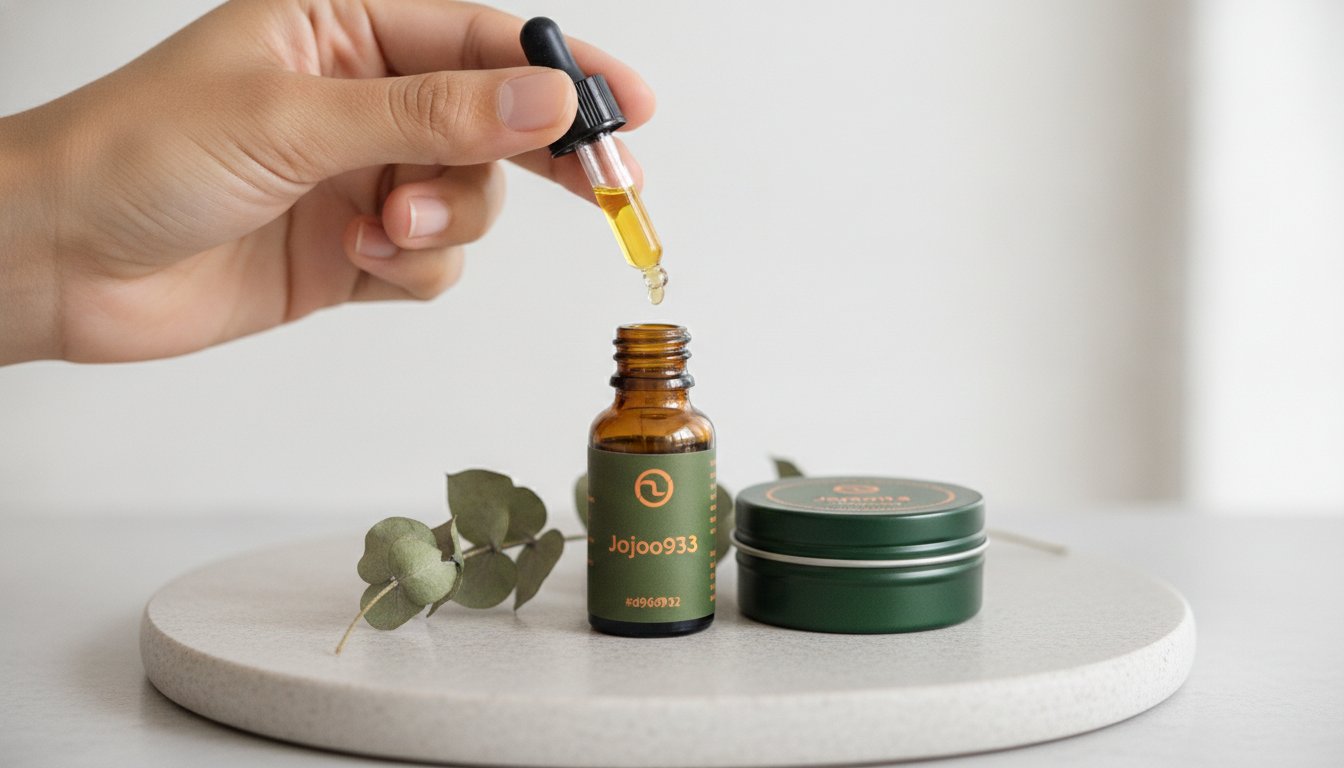
Your stretched lobes aren't just a style choice; they're a living part of your anatomy that requires a lifetime of dedicated, restorative care. Achieving a look that is both bold and healthy isn't a matter of luck. Understanding how to care for stretched ears long term is the essential bridge between a temporary trend and a permanent, refined aesthetic. It involves a commitment to purity, patience, and protection.
We know the frustration of dealing with persistent irritation, the dreaded "ear cheese" odor, or the anxiety of a thinning bottom lobe during a harsh winter. These are common struggles that can make your self-expression feel like a burden rather than a joy. This expert guide promises to help you master the necessary rituals to maintain healthy, thick, and odorless lobes for a lifetime of comfortable wear. We will explore the science of daily cleansing, the restorative power of jojoba and rosehip oils, and the materials that support long-term tissue integrity. You'll gain a sustainable routine that prioritizes your wellness while celebrating your unique style.
Key Takeaways
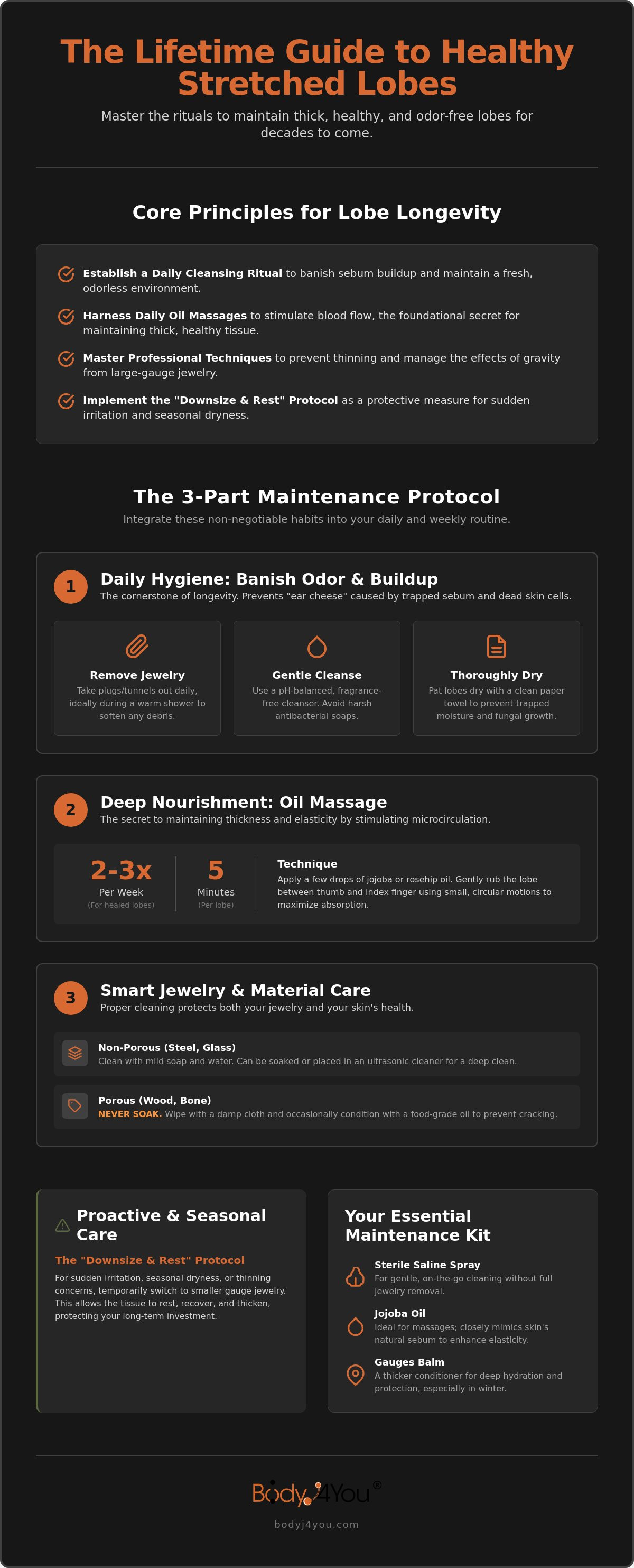
- Establish a daily cleansing ritual to effectively banish sebum buildup and maintain a fresh, odorless environment for your lobes.
- Harness the power of daily oil massages to stimulate blood flow, which is the foundational secret for maintaining thick and healthy tissue.
- Master the professional techniques for how to care for stretched ears long term to prevent thinning and manage the effects of gravity on large-gauge jewelry.
- Implement the "downsize and rest" protocol as a protective measure to quickly resolve sudden irritation and seasonal dryness.
- Curate a specialized maintenance kit using essential tools like saline spray, jojoba oil, and gauges balm for lifelong lobe health.
Daily Hygiene: Banishing Odor and Maintaining Freshness
Hygiene is the cornerstone of longevity for any body modification. When you commit to the journey of Stretching (body piercing), you aren't just changing your appearance; you're managing a delicate biological ecosystem. Understanding how to care for stretched ears long term begins with a rigorous daily cleansing ritual. This practice ensures your lobes remain healthy, resilient, and aesthetically pleasing. Consistency, precision, and care are your primary tools in this endeavor.
The most common hurdle for many is the presence of "ear cheese." This term describes the natural buildup of sebum and dead skin cells that accumulates within the piercing. Sebum is an oily substance produced by your sebaceous glands to waterproof and protect the skin. In a stretched piercing, this oil has nowhere to go. It becomes trapped against your jewelry, where it mixes with shed skin cells and begins to break down. This process creates the distinct, often unpleasant odor that can undermine your confidence. Sebum buildup is a natural but manageable biological process.
To maintain freshness, you must adopt a daily "jewelry-off" shower routine. Removing your plugs or tunnels allows warm water and steam to soften any crust or debris. Use only pH-balanced, fragrance-free cleansers for this task. Harsh soaps or antibacterial washes can strip away the essential lipids your skin needs to stay elastic. Instead, look for gentle, dermatologically sound formulas that respect your body’s natural chemistry. Once cleansed, the drying process is vital. Moisture trapped between your skin and non-porous jewelry can lead to fungal growth or maceration. Pat your lobes dry with a clean, disposable paper towel to ensure a pristine environment before reinserting your jewelry.
The Science of the Stretched Ear Odor
The odor associated with stretched lobes is primarily due to the anaerobic environment created by non-porous jewelry like steel or acrylic. Because these materials don't allow the skin to breathe, oxygen is restricted. This encourages the growth of odor-producing bacteria that thrive in low-oxygen settings. Sebum accumulates faster in stretched piercings than standard ones because the increased surface area of the fistula provides more space for glandular activity. Regular airtime is the best defense against this biological reality.
Cleaning Your Jewelry Collection
Your jewelry requires as much attention as your skin. Surgical steel and glass are non-porous and can be cleaned with mild soap or soaked in an ultrasonic cleaner to remove microscopic debris from intricate designs. Organic materials like wood or bone require a different approach; they are porous and should never be soaked. Instead, wipe them with a damp cloth and occasionally condition them with food-grade oils. For a quick midday refresh or when you're on the go, a sterile saline spray for piercings is an excellent tool to keep your lobes clean without the need for a full removal. This helps maintain the integrity of your jewelry and the health of your skin simultaneously.
Deep Tissue Nourishment: The Role of Natural Oils
Tissue longevity is not accidental. It is the result of deliberate nourishment. While hygiene prevents infection, oil massages are the true secret weapon for maintaining substantial lobe thickness over decades. By manually manipulating the tissue, you stimulate microcirculation. This increased blood flow delivers oxygen and essential nutrients directly to the extremities, ensuring the skin remains plump and resilient. Without this intervention, long-term wear can lead to thinning or decreased elasticity, heightening the risks and complications of stretched ears such as permanent tissue loss or chronic dryness. Mastering how to care for stretched ears long term requires looking beneath the surface to support the biological health of your skin.
Frequency is key to success. For fully healed lobes, two to three sessions per week represent the ideal "sweet spot." This schedule provides enough stimulation to maintain collagen production without over-manipulating the skin. To perform a proper massage, apply a few drops of your chosen oil to your fingertips. Gently rub the lobe between your thumb and index finger using small, circular motions for approximately five minutes. This duration allows for maximum absorption into the dermal layers, ensuring the oil works from the inside out. It's a simple ritual that yields profound results for tissue integrity.
Top-Tier Oils for Earlobe Elasticity
Selecting the right lipid profile is a science. Jojoba oil stands as the gold standard because its molecular structure closely mirrors human sebum, allowing for seamless deep hydration without clogging pores. For those focused on tissue regeneration, rosehip oil offers a potent concentration of Vitamin A and C, which are critical for collagen synthesis and skin repair. If you live in a harsh or dry climate, castor oil provides a thicker, more viscous barrier to protect against the elements while promoting thickness. Finally, Vitamin E serves as an antioxidant powerhouse, specifically effective at softening stubborn scar tissue and improving overall flexibility. You can find these essentials in our collection of pure jojoba oil and specialized treatment oils to elevate your care routine.
Using Gauges Balm for All-Day Protection
While liquid oils are designed for deep penetration during a massage, wax-based balms serve a different structural purpose. A high-quality gauges balm acts as a protective shield. It stays on the surface of the skin longer than liquid oils, sealing in moisture and preventing environmental stressors from dehydrating the tissue. This makes balm the superior choice before swimming, hiking, or spending long hours in air-conditioned environments. It provides a steady, slow-release hydration that keeps the skin supple during extended wear periods. Think of it as a protective sealant that maintains the work your oils have done. Use it as the final step in your morning routine to ensure your lobes remain protected, hydrated, and calm throughout the day.
Structural Integrity: Maintaining Thick Lobes Over Decades
Longevity requires more than hygiene; it demands structural awareness. Gravity is the silent adversary of the large-gauge aesthetic. Over years of wear, the constant downward pressure of heavy jewelry can compromise the density of your tissue. This leads to the development of "thin spots," where the skin becomes dangerously narrow, fragile, and prone to tearing. Learning how to care for stretched ears long term means understanding that your skin is a dynamic, living tissue that responds to pressure, weight, and time. Integrity, density, and resilience are the pillars of a sustainable piercing.
Identifying the early signs of tissue thinning is critical for intervention. You might notice a "pinching" sensation when wearing certain plugs, or a visible transparency in the bottom curve of the lobe when held up to the light. These are not merely aesthetic concerns; they are biological warnings. When the skin thins, blood flow is restricted, which further accelerates the loss of tissue. To counter this, you must embrace the concept of "restorative downtime." This is a period where the jewelry is removed entirely to allow the fistula to contract, thicken, and recover its natural blood supply.
Naked Training: The Key to Tissue Density
Naked training is the practice of spending increasing amounts of time without jewelry to encourage tissue thickening. It is a disciplined approach to ear health. Start by removing your plugs for one hour each day, ideally after a warm shower and an oil massage. Once your lobes remain stable at this interval, gradually increase the time to two hours, then four, eventually reaching a full night’s sleep. This process allows blood to circulate freely through the entire lobe, revitalizing the skin and promoting cell regeneration. It's the most effective method to ensure your lobes remain plump and healthy for decades.
Weight Management and Jewelry Rotation
Jewelry choice is a strategic decision for long-term health. While heavy ear weights are striking, they should never be worn for more than four to six hours at a time. Extended wear can cause uneven stretching and irreversible thinning. A professional maintenance routine involves alternating between materials. Wear lightweight silicone or wood for daily activities, and reserve heavier steel or stone for shorter, special occasions. If you practice naked training, always consult an ear gauge size chart to ensure your "rest day" plugs are the correct size for your current density. This rotation prevents the skin from being overwhelmed by constant weight while maintaining your desired gauge. Consistent care, smart rotation, and tissue rest will guarantee your lobes stay strong for a lifetime.
Troubleshooting Long-Term Issues and Seasonal Care
Mastering how to care for stretched ears long term requires a proactive stance against environmental shifts and unexpected physical reactions. Even a decade-old piercing can experience sudden flare-ups. These are often triggered by a change in climate, a new jewelry material, or a period of physical stress. Recognizing the early signs of distress allows you to intervene before minor irritation becomes a significant setback. Your care routine must be as dynamic as the seasons themselves.
If you experience sudden redness, itching, or swelling, the first step is to identify the cause. Distinguishing between minor irritation and a true infection is vital. Irritation is typically localized and responds quickly to rest. An infection, however, often presents with persistent heat, throbbing pain, or yellow discharge. If irritation occurs, implement the "downsize and rest" protocol immediately. Remove your current jewelry and replace it with a size that is at least two steps smaller. This relieves pressure on the fistula and allows the skin to heal without being further stretched or stressed.
Winterizing Your Stretched Ears
Cold weather poses a unique threat to stretched tissue. Metal jewelry, such as surgical steel or titanium, acts as a heat sink in low temperatures. It effectively pulls heat away from your lobes, significantly increasing the risk of frostbite or severe dryness. To maintain thermal regulation, switch to organic materials like wood or bone during the winter months. These materials do not conduct cold and help keep the tissue at a stable temperature. Additionally, apply an occlusive gauges balm before heading outdoors. This creates a physical barrier that prevents wind-burn and locks in essential moisture during the harshest months.
Managing Old Scar Tissue and Blowouts
Old blowouts or stubborn scar tissue don't have to be permanent. While significant damage may require professional intervention, consistent massage can often soften and reduce the appearance of minor "lips" or thickened areas. Use a piercing bump treatment oil to target localized irritation and promote a smoother texture. Be realistic about your anatomy. If a specific gauge size consistently causes redness or thinning, you may have reached your biological limit. Accepting that a size is "too big" for your specific ear structure is a sign of a mature and responsible collector. Protect your lobes by choosing our specialized treatment oils to manage long-term tissue health and resolve localized issues before they escalate.
The BodyJ4You Maintenance Protocol: Curating Your Kit
Long-term success is built on a foundation of superior tools. Adopting the "Wise Guardian" approach means recognizing that the quality of your results is directly proportional to the quality of your maintenance kit. When you understand how to care for stretched ears long term, you move beyond the initial excitement of stretching into a phase of disciplined preservation. Our protocol is defined by a simple, tripartite philosophy: Cleanse, Nourish, Protect. This rhythmic cycle ensures that your lobes remain a vibrant expression of your identity without compromising biological integrity. It's a commitment to excellence that pays dividends in comfort and style.
Curating a professional-grade kit is essential for this journey. Your collection should include four non-negotiable components: sterile saline spray, organic treatment oils, protective gauges balm, and precision cleaning swabs. We prioritize domestic manufacturing and rigorous quality control to ensure every tool meets dermatological standards. Purity is our promise. By choosing products with verified ingredient integrity, you safeguard your skin against the hidden irritants often found in mass-produced alternatives. High-quality aftercare is an investment in your body's resilience. It's the difference between a piercing that survives and one that thrives.
Choosing Safe Jewelry Materials for Life
The materials you wear against your skin for decades must be chosen with clinical precision. Surgical steel and titanium are the gold standards for long-term biocompatibility; they're durable, non-porous, and resistant to body fluid reactions. For those with heightened sensitivities, glass offers an incredibly smooth surface that is easy to clean and completely hypoallergenic. It's an ideal choice for maintaining a pristine fistula. While acrylic is popular for its vibrant colors, it should only be used for short-term wear in fully healed ears. Because acrylic is slightly porous, it can harbor bacteria over time, making it unsuitable for the permanent, everyday wear that high-quality metals or glass provide.
Your Next Steps in the Stretching Journey
Transitioning from a beginner ear stretching kit to a long-term maintenance mindset is a significant milestone in your self-expression. This shift requires moving away from the "reach the next size" goal and toward a "preserve the current health" philosophy. Incorporating professional-grade cleaning swabs into your routine allows you to reach the intricate crevices of tunnels and weighted designs, ensuring no debris remains to cause irritation. This level of detail is what separates the enthusiast from the expert. Your journey is unique, and your lobes deserve the protection that only a curated, specialist approach can provide. Shop the BodyJ4You Aftercare Collection today to secure the future of your stretched ears with the industry's most trusted formulas.
Securing Your Aesthetic Legacy
Mastery over your stretched ear journey is a balance of rigorous hygiene and intentional nourishment. You now possess the knowledge to banish odors, maintain tissue density through naked training, and navigate seasonal shifts with confidence. Understanding how to care for stretched ears long term ensures that your lobes remain healthy, thick, and resilient for a lifetime of comfortable wear. It's a commitment to your body that celebrates both biology and personal style. Consistency, purity, and patience are your greatest allies.
Our mission is to provide the stabilization and protection your skin requires. We offer over 20 years of industry expertise and a USA-made aftercare line that is trusted by professional piercers worldwide. Quality results demand quality tools. Elevate your ear care ritual with BodyJ4You Aftercare and invest in the long-term integrity of your self-expression. Your journey is unique. Stay disciplined, stay informed, and enjoy the refined aesthetic you've worked so hard to achieve.
Frequently Asked Questions
How often should I clean my stretched ears once they are fully healed?
You should clean your stretched ears every single day, even when they are fully healed. Daily maintenance prevents the accumulation of sebum and dead skin cells that lead to irritation and odor. Remove your jewelry during your shower, wash the lobes with a mild, fragrance-free cleanser, and pat them completely dry. This simple habit is the foundational ritual for how to care for stretched ears long term.
Why do my stretched ears smell even though I wash them every day?
Persistent odor is typically caused by the anaerobic environment created by non-porous jewelry like surgical steel or acrylic. These materials trap moisture, sebum, and bacteria against the skin. To resolve this, ensure you are cleaning the jewelry itself with soap and water every day. You may also benefit from switching to organic materials like wood or bone, which allow the skin to breathe more effectively.
Is it safe to sleep with my plugs in every night?
It is generally not recommended to sleep with your plugs in every night. Removing jewelry during sleep is the core of naked training, which allows blood to circulate freely and the skin to recover its natural density. This practice prevents the development of pressure sores and ensures your lobes remain thick and resilient. It is a vital step in maintaining structural integrity over many years of wear.
What is the best oil for keeping stretched lobes thick and healthy?
Jojoba oil is the gold standard for earlobe health because its molecular structure closely mimics human sebum. It provides deep, non-comedogenic hydration that maintains tissue elasticity. For those seeking tissue regeneration, rosehip oil is a potent alternative rich in vitamins. Castor oil is another excellent choice, offering a thicker barrier for protecting the skin and encouraging density in thin spots.
Can I use regular lotion on my stretched ears?
Avoid using regular commercial lotions on your stretched lobes. Most over-the-counter lotions contain synthetic fragrances, alcohols, and preservatives that can cause inflammation or allergic reactions in the sensitive skin of the fistula. Stick to pure, organic oils or a specialized gauges balm. These products ensure your aftercare remains safe, natural, and effective while respecting the delicate biology of your ears.
What should I do if my earlobes start feeling thin at the bottom?
If you notice thinning, you must implement restorative downtime immediately. Remove your jewelry and downsize by at least two sizes to relieve pressure on the tissue. Combine this with daily five-minute massages using jojoba or rosehip oil to stimulate blood flow. This specialized routine encourages the skin to thicken and repair itself, which is a critical aspect of how to care for stretched ears long term.
How do I protect my stretched ears from the cold in winter?
Protect your ears in winter by avoiding metal jewelry, which acts as a heat sink and increases frostbite risk. Switch to organic materials like wood or bone that provide natural thermal regulation for the skin. Additionally, apply a thick layer of gauges balm before heading outdoors. This creates an occlusive barrier that prevents wind-burn and locks in essential moisture during the harshest months.
Can stretched ears ever shrink back to a normal size after years of wear?
The ability for lobes to shrink back depends on your maximum size and the duration of wear. While many people see significant shrinkage when they remove jewelry, returning to a standard piercing size is unlikely if you've stretched past 00g. After years of wear, the skin loses some elastic recoil. However, consistent oil massages can help improve the skin's overall appearance and health regardless of the final size.


