

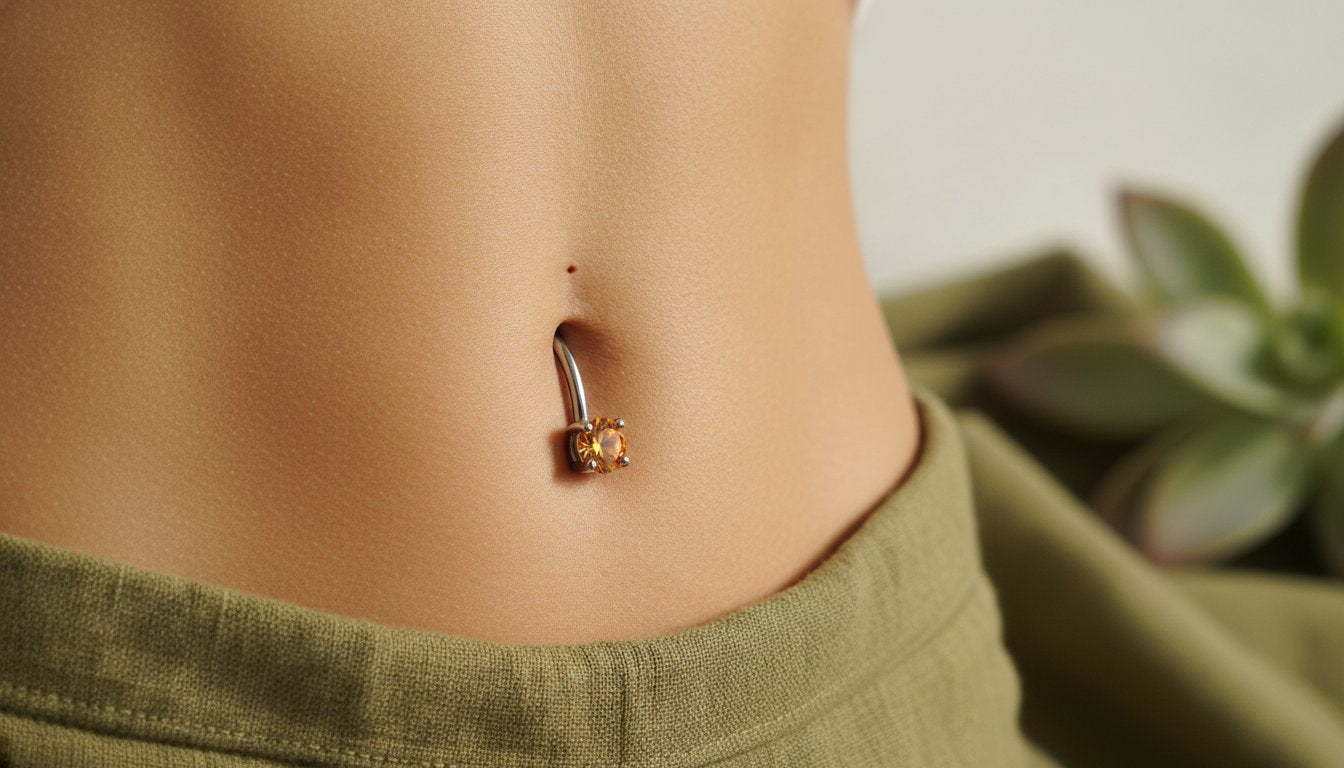
Your navel piercing is a living commitment to your body's unique biology. While it's easy to be captivated by the shimmer of new belly button rings, the reality of a healthy piercing depends on more than just aesthetics. You deserve a look that feels as good as it looks. We understand the frustration of jewelry that pinches, the anxiety of a lingering bump, and the confusion over which metals are truly safe for your skin.
You've likely felt the sting of a piercing that won't behave or the disappointment of a "hypoallergenic" piece that causes a reaction. This guide is your roadmap to mastering navel jewelry through clinical precision and creative expression. You'll learn to identify biocompatible materials like implant-grade titanium, select styles that honor your specific anatomy, and implement a professional aftercare routine. We're here to provide the clarity, safety, and style you need for a lifetime of healthy self-expression.
From the rise of floating navels to the resurgence of vintage-inspired dangles, the 2026 landscape offers endless possibilities. We'll walk you through the technical standards of surgical steel, the importance of US-made saline solutions, and the secrets to preventing rejection. Let's transform your piercing journey into a refined experience of wellness and beauty.
Key Takeaways
- Identify the ideal "sweet spot" within your navel's anatomy to ensure your piercing remains stable and secure for a lifetime.
- Prioritize your health by selecting belly button rings crafted from clinical-grade biocompatible materials like surgical steel and titanium.
- Balance aesthetics with function by learning how to transition from foundational barbells to dangles without irritating the piercing site.
- Implement the professional "Leave It Alone" protocol paired with US-made saline care to navigate the healing process of high-friction zones safely.
- Elevate your personal style using expert insights that bridge the gap between dermatological safety and high-end aesthetic expression.
The Anatomy of Navel Piercings: More Than Just a Ring
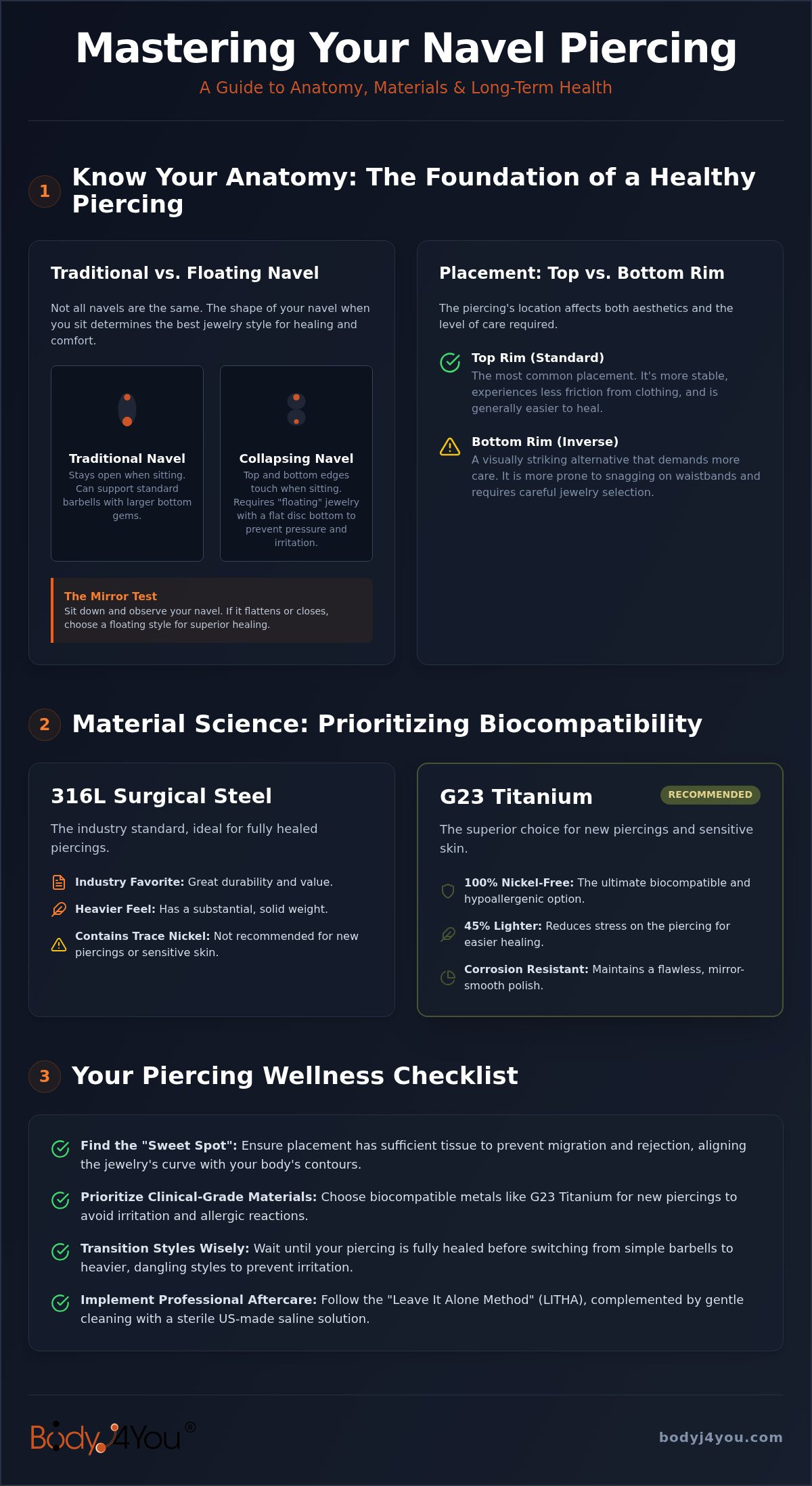
Your body is a unique landscape. Approaching a piercing with the "Wise Guardian" mindset means prioritizing your physical integrity over fleeting trends. A navel piercing isn't a simple puncture; it's a surface-to-surface piercing. This means the jewelry must travel through a specific flap of skin rather than a narrow point of tissue. For belly button rings to thrive, the curvature of the bar must align perfectly with your body's natural contours. Identify your shape. Protect your skin. Empower your style.
Finding the "sweet spot" is the first step toward a successful heal. This area, located on the upper or lower rim of the navel, must have sufficient tissue to support the jewelry's weight. If the placement is too shallow, the body may attempt to push the metal out, a process known as migration. If it's too deep, the lack of air circulation can lead to persistent moisture and irritation. Your daily movement also plays a role. High-activity lifestyles or a preference for high-waisted clothing create friction. In these cases, choosing a barbell with a snug fit is essential to prevent the jewelry from being tugged or twisted during movement.
Traditional vs. Floating Navel Anatomy
Not all navels are shaped the same. Many people have a "collapsing navel," where the opening flattens or closes when sitting. Traditional belly button rings feature a large bead at the bottom that can become a source of constant trauma in a collapsing navel. The pressure from the lower fold of skin pushes the bead upward, causing the top of the piercing to tilt and become inflamed. Floating navel jewelry provides a clinical solution. By replacing the large bottom bead with a small, flat disc, the jewelry sits flush against the skin. You can perform a mirror test at home to see if you need this style. Sit down and observe your navel; if the opening closes or the rims touch, a floating style will offer superior comfort and better healing outcomes.
Placement Matters: Top vs. Bottom Navel Piercings
While the history of navel piercing highlights the popularity of the top rim, the bottom rim offers a bold alternative. Top-rim piercings are the standard for a reason. They generally experience less direct pressure from clothing and offer a more stable environment for healing. Inverse piercings, located on the bottom rim, are visually stunning but demand a higher level of care. They are more susceptible to snagging on belts or waistbands. When selecting jewelry for an inverse piercing, pay close attention to the direction of the charms. Dangles must be oriented to hang correctly from the bottom up to maintain a balanced, intentional aesthetic.
Material Science: Prioritizing Bio-Compatibility and Healing
Metal choice isn't just about color; it's about biology. Your skin acts as a protective barrier, and when you introduce jewelry, you're inviting a foreign object into a delicate healing environment. Biocompatibility is the clinical standard we uphold to ensure your body accepts this invitation. It ensures that the materials in contact with your tissue won't cause adverse reactions, migration, or rejection. High-quality belly button rings act as a silent partner in your body's recovery process, providing structural stability without chemical interference. Healing. Comfort. Confidence.
Low-quality metals often hide a secret: nickel. Even trace amounts of this common allergen can trigger jewelry-induced dermatitis, leading to persistent redness, itching, and those dreaded piercing bumps. Beyond the metal itself, the surface finish is paramount. A mirror-smooth polish prevents micro-tears in the fistula and leaves no room for bacteria to colonize. At BodyJ4You, we combine 20 years of expertise with a commitment to purity, ensuring every piece meets rigorous safety standards for long-term skin health.
Surgical Steel vs. Titanium: Which is Best for You?
Choosing between these two powerhouses depends on your skin's unique needs. 316L Surgical Steel remains the industry favorite for its exceptional durability and accessible price point. It's a robust choice for established piercings. However, for those with extreme sensitivities, G23 Titanium is the superior hypoallergenic option. It's nickel-free, 45% lighter than steel, and highly resistant to corrosion. Whether you choose steel or titanium, your belly button rings should always feature a high-polish finish to minimize friction. Purity. Integrity. Expression.
The Biological Impact of Internal Threading
The mechanics of your jewelry can dictate your healing timeline. External threading features the screw pattern on the outside of the bar, which creates a "saw" effect that can scrape and tear delicate tissue during insertion. Internal threading is the clinical solution. The bar is perfectly smooth, with the screw hidden inside the jewelry head. This ensures a seamless transition that protects your skin from unnecessary trauma. When shopping, look for the smooth end of the barbell to verify quality. You can explore our collection of internally threaded jewelry to find a piece that prioritizes your comfort. Following professional piercing aftercare protocols is much easier when your jewelry isn't causing micro-trauma every time it moves.
Navigating Styles: From Classic Barbells to Dazzling Dangles
Style is the ultimate form of self-expression, but it must never compromise the integrity of your skin. The foundational shape for almost all belly button rings is the curved barbell. This intentional design mimics the natural path of the piercing, reducing tension on the entry and exit points. While the classic double-gem look remains a staple, your choice should reflect your daily reality. Active individuals often find that minimalist beads or flush-set gems offer the most comfort during gym-wear or high-friction activities. Safety. Comfort. Style.
Dangle belly rings bring a touch of glamour and movement, yet they require a disciplined approach. We recommend waiting until your piercing is fully matured, typically six to twelve months, before introducing the weight of a dangle. These pieces are more prone to catching on loose-knit fabrics or lace. To prevent snagging, choose dangles for specific occasions rather than 24/7 wear. Balancing your aesthetic desires with the practicalities of your lifestyle ensures your piercing remains a source of joy rather than irritation.
Choosing the Right Gauge and Barbell Length
Precision in sizing is the hallmark of a "Wise Guardian." The industry standard for navel piercings is 14G (1.6mm). Choosing a thinner wire can lead to the "cheese-cutter" effect, where the jewelry slowly migrates through the tissue under pressure. Finding your "wearable length" is equally vital. A bar that is too long will snag; a bar that is too tight will pinch and restrict blood flow. If you're unsure about the conversion from gauges to millimeters, consult our ear gauge size chart for a clinical breakdown of measurements. Proper fit prevents trauma. It supports healing. It ensures longevity.
Gemstones and Finishes: Adding Your Personal Flair
The details define your aesthetic refinement. When selecting stones, consider the setting. Bezel-set gems are encased in a smooth metal rim, making them ideal for everyday wear as they won't catch on clothing. Prong-set stones offer more brilliance but have small "teeth" that can snag on delicate fabrics. The finish of your belly button rings should complement your existing jewelry. Gold PVD and rose gold finishes provide a high-end look without the cost of solid gold, while high-polish silver remains a timeless choice. Many enthusiasts choose to coordinate their navel jewelry with other facial accents, such as a septum piercing, to create a cohesive and empowered personal brand.
The Guardian’s Guide to Aftercare and Long-Term Health
Navel piercings occupy a high-friction zone. Every time you sit, walk, or bend, the jewelry interacts with your torso and clothing. This constant mechanical stress makes belly button rings particularly vulnerable during the first six to twelve months of healing. The "Wise Guardian" approach prioritizes stability over interference. We advocate for the "Leave It Alone" (LITHA) protocol. Over-cleaning is as detrimental as neglect. Excessive scrubbing or harsh chemicals like alcohol and hydrogen peroxide strip away the delicate new cells trying to form the fistula. Purity. Patience. Protection.
Identifying the difference between healthy healing and a developing issue is vital for long-term success. Normal healing involves minor redness, clear or pale-yellow discharge (sebum), and a "crusty" buildup. These are signs of your body’s natural defense mechanisms at work. Conversely, rejection occurs when the body identifies the metal as a threat and pushes it toward the surface. If you notice the bar becoming visible through the skin or the entry holes widening, consult a professional immediately. Cleanliness. Consistency. Care.
The Daily Cleaning Routine for Navel Piercings
Precision in your daily habits ensures your piercing remains a healthy form of expression. Follow these three steps twice a day:
- Step 1: Wash your hands thoroughly with antimicrobial soap before touching the area to prevent the transfer of bacteria.
- Step 2: Apply sterile saline spray for piercings directly to the entry and exit points. This removes debris without the need for manual rotation.
- Step 3: Gently pat the area dry with a non-woven gauze or a disposable swab. Avoid cotton balls, as their fibers can snag and irritate the tissue.
Troubleshooting: Bumps, Redness, and Irritation
Irritation bumps are the most common hurdle in navel piercing health. These small, raised areas are often caused by jewelry movement or poor material quality. They are not keloids, which are rare genetic scar tissues. If a bump appears, localized soothing is necessary. You can use piercing bump treatment oil to calm the skin and reduce inflammation. Once the initial swelling subsides—usually after 8 to 12 weeks—it's essential to downsize your jewelry to a shorter bar. A shorter bar reduces the risk of snagging and provides the stability needed for the final stages of healing. To maintain the integrity of your piercing, you should shop our professional aftercare collection for US-made solutions designed for sensitive skin.
Elevating Your Expression with BodyJ4You Jewelry
Self-expression. Safety. Integrity. For over 20 years, BodyJ4You has stood as a stabilizer and protector within the body modification community. We believe your journey toward aesthetic refinement should never be a gamble with your health. Our legacy is built on a sophisticated blend of professional authority and nurturing care, ensuring that every piece of jewelry we offer supports your body's unique biology. We don't just sell accessories; we provide the tools for an empowered lifestyle that prioritizes wellness and ethics in equal measure.
Choosing the right belly button rings is a significant decision that involves physical vulnerability. As your supportive specialists, we bridge the gap between the vibrant world of personal style and the clinical precision of dermatological standards. Our commitment to the community is reflected in our rigorous material selection and our pride in domestic production. By focusing on niche problem-solving and high-quality surgical steel and titanium, we act as an expert mentor for both the seasoned enthusiast and the first-time collector. Trust. Quality. Reliability.
Why BodyJ4You is the Specialist You Can Trust
Our industry presence is defined by disciplined quality control. Every piece in our collection, from foundational barbells to intricate dangles, undergoes strict evaluation to ensure it meets our standards for purity and biocompatibility. We offer a curated collection that balances timeless, minimalist classics with the modern trends of 2026. This organized approach ensures you receive jewelry that is as durable as it is beautiful. Our experience allows us to provide the logic behind every design choice, helping you navigate the complexities of gauge, length, and threading with absolute confidence.
Ready to Find Your Perfect Fit?
Your path to a healthy, stylish piercing is a guided tour through our specialized offerings. We invite you to explore our diverse range of internally threaded barbells and elegant dangle belly button rings designed to honor your anatomy. To ensure your new look thrives, we recommend bundling your jewelry selection with our Saline Piercing Aftercare Spray. This US-manufactured solution is the gold standard for maintaining healing integrity and preventing irritation. Take the next step in your self-expression journey today by choosing a brand that cares about your long-term well-being. Explore. Heal. Shine.
Mastering the Art of Navel Expression
Your journey to a vibrant and healthy piercing begins with a deep understanding of your body's unique anatomy. By prioritizing biocompatible materials like 316L Surgical Steel and G23 Titanium, you ensure that your belly button rings remain a source of confidence rather than irritation. We've explored how proper sizing, internal threading, and anatomy-specific styles like the floating navel act as protective measures for your long-term skin health. Safety. Comfort. Style.
Maintaining this integrity requires a disciplined aftercare routine. Our US-made saline aftercare spray provides the clinical precision needed to navigate the high-friction environment of the navel safely. With over 20 years of expertise, BodyJ4You remains a stabilizing force in the piercing community. We prioritize your health. We celebrate your style. We support your journey. It's time to elevate your aesthetic with jewelry that respects your biology.
Discover Your Signature Style in Our Belly Button Rings Collection
Step forward with the knowledge that your self-expression is backed by industry-leading standards. Your body deserves nothing less than the gold standard of care and style. Wear your confidence with pride.
Frequently Asked Questions
How long does a belly button piercing take to fully heal?
A navel piercing typically takes between 6 and 12 months to reach full maturity. While the surface might appear stable after a few weeks, the deep internal tissue requires a significant duration to form a robust fistula. Consistency in your care routine is vital during this period. Factors such as your overall health, activity levels, and jewelry quality will influence your specific timeline. Patience. Discipline. Resilience.
Is it normal for my belly button ring to be red and crusty?
Minor redness and localized "crusties" are standard biological responses during the initial healing phases. The crust is simply dried lymphatic fluid and sebum, which are signs that your body is working to repair the tissue. You should gently irrigate the area with a saline spray rather than picking at the buildup. If the redness spreads or you notice green discharge, consult an expert mentor for further guidance.
Can I change my belly button ring after 2 weeks?
You should never change your jewelry after only two weeks. Attempting to swap belly button rings so early will likely cause micro-tears in the fragile new skin cells. This trauma often leads to immediate swelling, piercing bumps, or even the closure of the channel. We recommend waiting at least three to six months before your first change to ensure the piercing site is sufficiently stabilized and resilient.
What is the best material for a new belly button piercing?
The gold standard for a new piercing is G23 Titanium or 316L Surgical Steel. These materials are chosen for their high biocompatibility and resistance to corrosion. Titanium is particularly beneficial for those with sensitive skin as it is nickel-free and lightweight. Choosing these clinical-grade metals from the start minimizes the risk of jewelry-induced dermatitis and provides a protective foundation for your body to heal without chemical interference.
How do I know if my body is rejecting my belly button ring?
Rejection is characterized by the body slowly pushing the jewelry toward the skin's surface. You might notice the distance between the entry and exit holes shrinking or the bar becoming visible through the skin. Other indicators include persistent redness, thinning tissue, or a sudden change in the angle of the piercing. If you suspect rejection, don't wait. Consult a professional to prevent permanent scarring or significant tissue damage.
Can I go swimming with a new navel piercing?
It is best to avoid swimming in pools, lakes, or oceans for at least four to eight weeks. These bodies of water are often breeding grounds for bacteria or contain harsh chemicals like chlorine that irritate open wounds. If you cannot avoid the water, apply a waterproof bandage over the site. Always follow your swim with a thorough application of a US-made saline aftercare spray to flush out any lingering contaminants.
What gauge size is a standard belly button ring?
The industry standard for belly button rings is 14 gauge (1.6mm). This specific thickness provides the necessary stability to prevent the jewelry from migrating through the skin. While some people might consider thinner wires, they often lead to the "cheese-cutter" effect, where the jewelry slowly slices through the tissue. For the length, initial piercings often use a longer bar, such as 11mm, to accommodate the body's natural swelling response.
Are internally threaded belly rings better than externally threaded ones?
Internally threaded jewelry is the superior choice for safety and comfort. In this design, the screw is on the bead and the bar is perfectly smooth. This ensures that the jewelry doesn't scrape or tear the delicate fistula during insertion. Externally threaded pieces have threads on the bar itself, which can act like a saw on your healing skin. Prioritizing internal threading is a hallmark of the "Wise Guardian" approach to body jewelry.


