

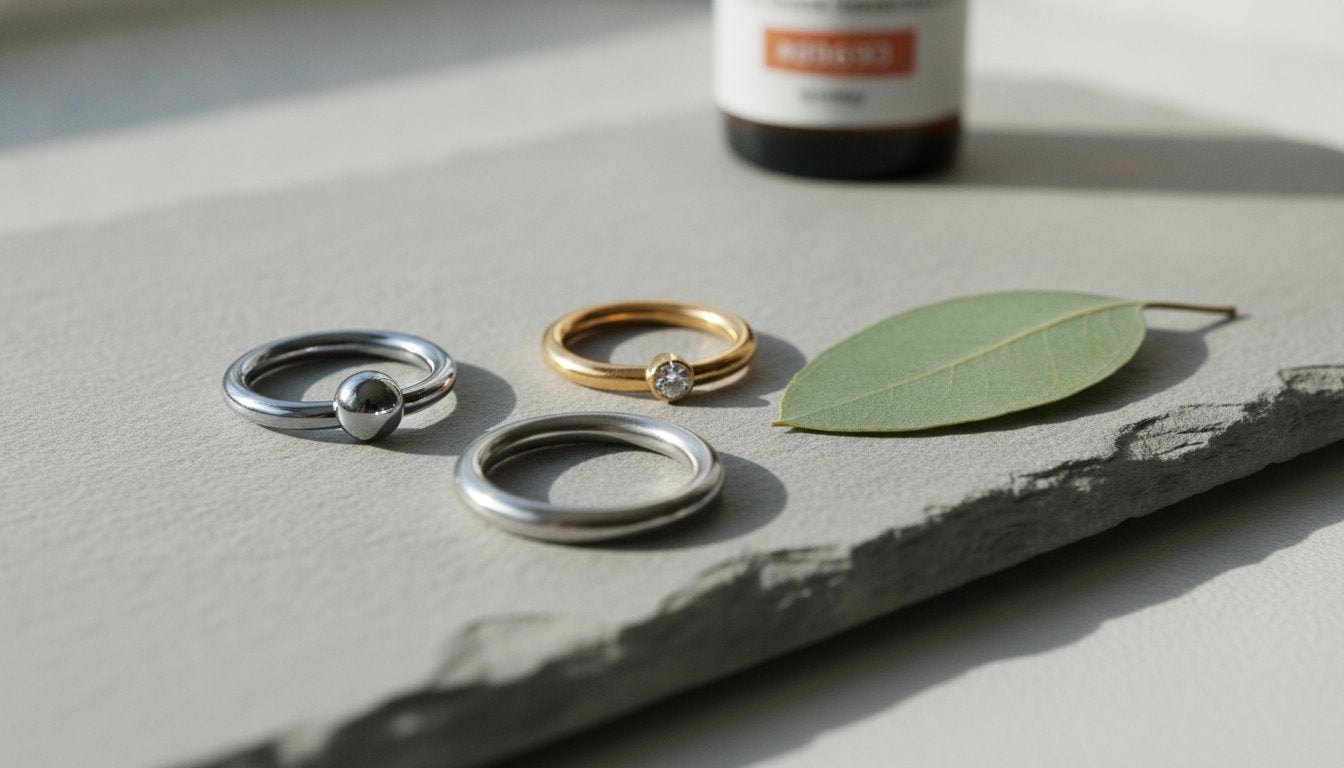
Did you know that choosing implant-grade titanium for a new piercing can reduce your chances of an allergic reaction by over 90%? It's a striking figure that underscores why your choice of belly ring materials is the most significant decision you'll make for your body's long-term wellness. You deserve jewelry that feels as beautiful as it looks. You shouldn't have to settle for itchy skin, persistent redness, or the constant fear of your body rejecting a new piece.
Knowledge is your best defense. We understand that technical terms like 316L and G23 often feel more like a chemistry exam than a shopping trip. Our 2026 guide empowers you to master the science of belly ring materials so your piercing stays healthy, vibrant, and irritation-free. We'll break down the essential differences between healing and decorative metals, explain the latest biocompatibility standards, and show you how to find high-end, hypoallergenic styles that never tarnish. Your journey toward self-expression should be safe, stylish, and successful. Safe. Stylish. Biocompatible.
Key Takeaways
- Prioritize biocompatibility to foster a seamless healing environment and prevent your body from treating new jewelry as a threat.
- Master the technical nuances of belly ring materials by distinguishing between the durability of surgical steel and the hypoallergenic excellence of implant-grade titanium.
- Discover why 14K gold offers the perfect balance of luxury and stability while avoiding the risks associated with long-term silver exposure.
- Learn to differentiate between minor irritation and true metal rejection to safeguard your piercing’s longevity and aesthetic health.
- Implement professional cleaning techniques that remove harmful biofilm without compromising the finish or safety of your investment pieces.
Why Your Navel Piercing Material Dictates Your Healing Journey
Choosing your jewelry is a biological commitment. Your body doesn't see a "cute accessory"; it sees a foreign object embedded in living tissue. Biocompatibility is the science of how your cells interact with these objects. When you select common body jewelry materials, you're choosing the foundation of your skin's recovery. High-quality materials allow the body to build a healthy fistula, while poor choices lead to a cycle of chronic inflammation and potential rejection. Clean. Stable. Biocompatible.
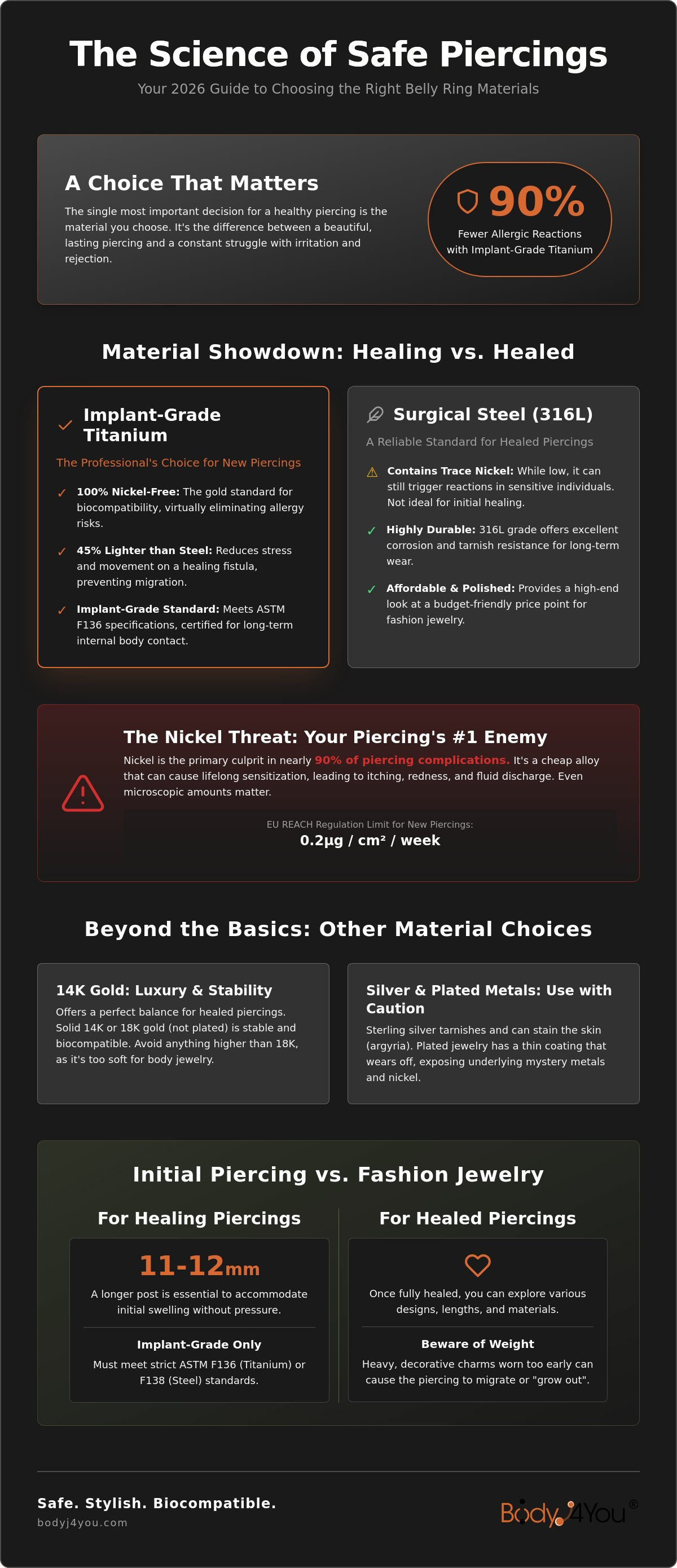
Nickel is the primary culprit in most piercing complications. It's often hidden in cheap alloys to provide shine and strength at a low cost. However, the EU REACH regulation strictly limits nickel release to 0.2 micrograms per square centimeter per week for new piercings. This is because even microscopic amounts can trigger a lifelong allergy. Once you're sensitized, your skin may react with itching, redness, and clear fluid discharge every time you wear lower-grade belly ring materials. This "nickel trap" accounts for nearly 90% of localized skin reactions in the piercing community.
Your first ring requires different specifications than fashion pieces. A starter post must be longer, typically 11mm to 12mm, to accommodate natural swelling during the initial weeks. It must also meet strict implant-grade standards, such as ASTM F136 for titanium or ASTM F138 for steel. Fashion jewelry is often designed for short-term wear in fully healed piercings. Wearing heavy, decorative charms too early can cause the piercing to migrate or "grow out" of the skin, leaving behind permanent scarring and lost elasticity.
The Biological Interaction: Jewelry vs. Skin
The fistula is the tube of scar tissue that forms around your jewelry. This delicate area is constantly exposed to moisture, friction, and movement. Unlike an earlobe, the navel experiences significant pressure from clothing and torso movement. This friction can cause metal ions to leach directly into the wound. If the material is unstable, it degrades over time. This leads to irritation, thinning of the skin, and a compromised aesthetic result. Protect your skin. Prioritize purity. Ensure longevity.
Identifying Low-Quality Metals
Mystery metals found in bargain bins pose a significant health risk. These items often contain lead or cadmium, which are toxic heavy metals that have no place near an open wound. The EU REACH regulation limits cadmium to 0.01% and lead to 0.05% in jewelry to protect consumers from systemic toxicity. Low-quality belly ring materials often lack the mill test certificates required to prove their safety. In the context of body-safe standards, hypoallergenic refers to materials that are clinically proven to have a minimal risk of causing an allergic reaction when in prolonged contact with internal tissue.
Surgical Steel vs. Titanium: Choosing the Best Metal for You
Steel and titanium represent the two pillars of modern navel jewelry. While they may appear identical in a display case, their biological performance and physical weight differ significantly. Selecting between these belly ring materials requires a balance of budget, skin sensitivity, and lifestyle needs. Both metals offer exceptional durability, but the way your body interacts with them determines the long-term success of your piercing. High-quality. Durable. Tested.
Titanium is approximately 45% lighter than surgical steel. This weight difference is crucial for navel piercings, which are subject to constant movement as you sit, stand, and bend. A lighter piece of jewelry reduces the physical stress on the healing fistula, minimizing the risk of migration. While titanium often carries a higher initial cost, the investment pays dividends in comfort and safety. Surgical steel remains a popular choice for those with established, healed piercings who seek affordability without sacrificing a high-end, polished look.
Surgical Steel (316L): The Reliable Standard
The 316L designation is the hallmark of quality for steel jewelry. The "L" stands for low carbon, a specific formulation that enhances corrosion resistance and prevents the metal from reacting to body fluids or saline. For active individuals, this durability is essential. It survives sweat, sea salt, and daily wear without tarnishing. To ensure maximum safety, look for a "mirror finish." A high-polish surface eliminates microscopic pits where bacteria can hide, promoting a cleaner environment for your skin. It's a robust, reliable choice for the fashion-conscious enthusiast.
Implant-Grade Titanium: The Professional’s Choice
Implant-grade titanium, specifically ASTM F-136, is the undisputed gold standard for biocompatibility. This is the same material used by surgeons for medical implants because the human body does not recognize it as a threat. According to the Association of Professional Piercers guidelines, titanium is ideal for initial piercings and individuals with severe metal allergies. It is 100% nickel-free, providing a protective barrier against the irritation and redness that often plague those with sensitive skin.
One of the most vibrant benefits of titanium is anodization. This process uses electricity to adjust the thickness of the metal's surface oxide layer, creating a spectrum of colors including gold, rose gold, blue, and purple. Unlike plating or painting, anodized colors won't chip or peel into your piercing. Choosing the right metal is the first step toward a healthy piercing, and selecting high-quality surgical steel or titanium jewelry ensures your style remains as resilient as your skin. Pure. Safe. Empowering.
Beyond the Basics: Gold, Silver, and Flexible Materials
While surgical steel and titanium form the foundation of safety, your lifestyle may require more specialized belly ring materials. Aesthetic refinement often leads enthusiasts toward precious metals, while life transitions like pregnancy demand physical flexibility. Moving beyond the basics allows you to tailor your jewelry to your specific environment. Safe. Flexible. Adaptive.
Selecting alternative materials requires a deep understanding of their chemical stability. A navel piercing is a high-friction zone, subject to sweat, pressure from waistbands, and constant torso movement. These factors accelerate the wear of softer metals and can cause reactive materials to leach ions into your skin. Choosing the right material for the right moment ensures your piercing remains a vibrant part of your self-expression without compromising your dermatological health.
14K Gold and 925 Sterling Silver
14K gold is the preferred luxury standard for healed navel piercings. It contains approximately 58.3% pure gold, balanced with durable alloys that provide the structural integrity needed for daily wear. We recommend avoiding 18K gold for the navel; its higher gold content makes it too soft, leading to scratches that can harbor bacteria. For those seeking the look of gold with the resilience of steel, PVD (Physical Vapor Deposition) coating is a superior choice. This process creates a molecular bond that is far more durable and biocompatible than traditional gold plating.
Sterling silver requires a strong word of caution. Silver is a temporary guest, never a permanent resident in a navel piercing. It is highly reactive and oxidizes quickly when exposed to body moisture. This oxidation can lead to argyria, a permanent dark gray or black staining of the skin often called a "silver tattoo." Save your sterling silver pieces for special occasions and limit wear to a few hours. Always return to a stable metal like titanium for daily use.
Bioflex and Acrylic: Comfort for Life's Changes
Pregnancy and medical procedures often necessitate a departure from metal entirely. PTFE (Polytetrafluoroethylene) and Bioflex are medical-grade, steam-sterilizable polymers that provide essential flexibility. During pregnancy, a long, flexible bar accommodates a growing abdomen without the discomfort or "cheese-cutter effect" of a rigid metal barbell. These materials are also non-magnetic, making them ideal for individuals undergoing MRI scans or X-rays. Understanding how these belly ring materials react to your changing body is key to maintaining your piercing through all of life's stages.
Acrylic jewelry offers a lightweight and colorful alternative for fully healed piercings. It is particularly popular for sports-safe wear because it reduces the risk of a "snag and tear" injury during high-impact activity. However, acrylic is a porous material that can become brittle over time. To maintain safety, follow these guidelines:
- Replace acrylic bars every few months to prevent cracks.
- Only wear acrylic in piercings that have been healed for at least one year.
- Ensure the threaded ends are checked weekly for tightness.
How to Spot a Metal Allergy Before It Ruins Your Piercing
Your skin is a sophisticated sensor. When it encounters incompatible belly ring materials, it communicates through a specific set of biological signals. Recognizing these signs early can mean the difference between a minor setback and a permanent scar. While the prevalence of nickel allergies among women aged 18 to 35 has dropped to 11.4% due to stricter regulations, the risk remains a reality for many. Listen to your body. Watch for changes. Protect your health.
There is a critical distinction between surface-level irritation and full-scale rejection. Irritation is often a reaction to external factors like tight clothing or improper cleaning. Rejection, however, is a physical eviction. It occurs when your immune system identifies the jewelry as a threat and begins pushing it toward the surface of the skin. If you notice the distance between the entry and exit holes getting smaller, or if the skin over the bar looks thin and shiny, your body is physically migrating the jewelry out. Act quickly to prevent permanent tissue damage.
Common Symptoms of Sensitivity
Normal healing involves a small amount of "crusties" or pale yellow fluid that hardens around the jewelry. In contrast, an allergic reaction presents as intense itching, persistent redness, and a clear, watery discharge that never seems to dry. You might also notice the "Green Ring" effect. This green or black discoloration on the skin is a sign of oxidation, typically occurring when copper or low-grade silver reacts with your body's natural pH. A piercing bump, or granuloma, is a localized inflammatory response caused by persistent friction, trauma, or the body's reaction to incompatible metal ions. Identify. React. Heal.
The Hypoallergenic Checklist
Mastering your recovery requires a disciplined approach to jewelry selection. Always verify that your jewelry meets ASTM F136 or F138 standards before purchase. For sensitive tissue, internally threaded jewelry is a non-negotiable requirement. Unlike externally threaded bars, which have "screw-like" ridges that can tear the delicate fistula during insertion, internally threaded pieces provide a smooth, trauma-free experience.
If you suspect your current jewelry is the cause of your discomfort, schedule a change to implant-grade titanium as soon as possible. While you wait, you can soothe the area with gentle, saline-based care. If you are struggling with persistent redness or minor lumps, applying a specialized Piercing Bump Treatment Oil can help stabilize the skin's barrier and calm the inflammatory response. Safe. Stylish. Irritation-free.
- Check for "Mill Test Certificates" from your vendor to verify material purity.
- Ensure your jewelry has a high-polish, mirror finish to prevent bacterial adhesion.
- Opt for titanium if you have a known history of reacting to fashion jewelry or watches.
Long-Term Care: Maintaining Your Jewelry and Your Health
Securing the right belly ring materials is only the first half of a successful journey. Long-term health requires a disciplined maintenance routine to protect both your skin and your jewelry's finish. Over time, microscopic layers of bacteria and cellular debris, known as biofilm, can accumulate on the surface of your barbell. If left unaddressed, this biofilm can irritate the fistula and lead to low-grade inflammation even in well-healed piercings. Clean. Protect. Preserve.
BodyJ4You brings over 20 years of industry experience to this process. We prioritize the integrity of your self-expression by providing locally manufactured aftercare that supports high-quality metals. Our commitment to safety ensures that your aesthetic investment remains as vibrant as the day you bought it. We bridge the gap between beauty and biology by offering solutions that respect your body's natural healing rhythm.
Essential Aftercare for Every Material
Routine irrigation is the cornerstone of piercing health. Use a Saline Piercing Aftercare Spray twice daily to flush the site without introducing harsh chemicals. This sterile solution removes environmental pollutants while maintaining the delicate pH balance of your skin. For the intricate crevices of the navel, Piercing Cleaning Swabs allow for precise removal of debris without tugging on the jewelry. Moisture is a catalyst for material degradation and bacterial growth, so always ensure the area is gently dried with a clean paper towel after each cleaning session.
Maintaining skin elasticity is equally vital for the longevity of your piercing. As your body changes, the skin around the navel needs targeted nourishment to prevent thinning. Natural oils like Jojoba oil and Rosehip oil are essential for keeping the tissue supple and resilient. These oils mimic the body's natural sebum, providing a protective barrier that prevents the skin from becoming brittle or prone to micro-tears under the weight of your jewelry. Pure. Ethical. Effective.
Protecting Your Aesthetic Investment
Proper fit prevents long-term irritation. Once the initial swelling has subsided, usually after several months, consider downsizing your barbell. A shorter post reduces the leverage of the jewelry against the fistula, which minimizes friction and the risk of migration. Choosing the correct size for your belly ring materials ensures the jewelry sits flush against the skin, creating a sleek and comfortable profile.
When your jewelry isn't in use, store it in a dedicated soft-lined case. This prevents scratches on high-polish surfaces that could otherwise harbor harmful bacteria. Your piercing is only as healthy as the material you put inside it. By combining premium metal choices with a rigorous care routine, you ensure a lifetime of beautiful, comfortable self-expression. Safe. Stylish. Sustained.
Your Path to Safe and Vibrant Self-Expression
Your piercing is a journey of personal growth and aesthetic refinement. By mastering the science of belly ring materials, you've moved beyond fleeting trends to prioritize the long-term integrity of your skin. You've learned that biocompatibility isn't just a technical term; it's the foundation of a seamless healing process. Whether you choose the lightweight excellence of titanium or the classic durability of surgical steel, you now have the tools to avoid irritation and rejection.
At BodyJ4You, we support your journey with over 20 years of industry expertise and strict quality control for every alloy we offer. Our locally manufactured aftercare solutions work in harmony with our jewelry to ensure your skin remains resilient and healthy. We believe that safety and style should always exist in perfect balance. Pure. Ethical. Professional.
Ready to find your next favorite piece? Explore our collection of high-quality, hypoallergenic belly rings at BodyJ4You. You deserve a piercing that reflects your unique personality without compromising your wellness. Stay confident. Stay safe. Stay inspired.
Frequently Asked Questions
What is the safest material for a new belly button piercing?
Implant-grade titanium (ASTM F136) is the safest choice for a new navel piercing because it is entirely biocompatible and nickel-free. This material is used in medical implants because the body does not recognize it as a foreign threat. Choosing this over lower-grade belly ring materials reduces the risk of allergic reactions by over 90% during the critical healing phase. It is stable, durable, and safe.
Can I wear sterling silver in my belly button ring every day?
You should not wear sterling silver in your navel every day. Silver is a reactive metal that oxidizes when in constant contact with body moisture and sweat. This reaction can lead to argyria, which is a permanent dark gray or black staining of the skin. Limit sterling silver to short-term fashion wear in fully healed piercings only. Prioritize purity. Avoid staining. Stay safe.
What does 316L surgical steel mean?
316L surgical steel is a specific grade of stainless steel formulated for high corrosion resistance and durability. The "L" stands for low carbon, which ensures the metal won't react to saline or body fluids during daily wear. While it is a reliable industry standard for established piercings, it still contains trace amounts of nickel that may affect those with extreme skin sensitivities.
Is titanium better than surgical steel for navel piercings?
Titanium is generally superior for initial piercings and sensitive skin because it is 100% nickel-free and 45% lighter than surgical steel. The reduced weight decreases physical stress on the healing fistula, which helps prevent jewelry migration. While both metals are durable, titanium offers higher biocompatibility and can be anodized into various colors without using harmful plating or paints.
How do I know if I'm allergic to my belly ring?
You may have an allergy if you experience persistent itching, intense redness, or a clear, watery discharge around the site. Unlike the normal "crusties" of a healing piercing, an allergic reaction often feels like a burning sensation. If these symptoms appear shortly after changing your belly ring materials, your body is likely reacting to nickel or other reactive alloys in the jewelry.
Can I use plastic or acrylic belly rings during pregnancy?
Medical-grade polymers like PTFE or Bioflex are the best choices during pregnancy because they are flexible and accommodate your growing abdomen. These materials are non-magnetic and steam-sterilizable, making them safe for medical procedures like MRI scans. Standard acrylic is lightweight but can become brittle over time, so it's best to use dedicated pregnancy retainers designed for long-term flexibility and comfort.
What should I do if my belly piercing is rejecting the jewelry?
Consult a professional piercer immediately if you notice the bridge of skin between the entry and exit holes is getting thinner. Rejection often requires switching to a higher grade of titanium or a different jewelry length to reduce physical tension. Ignoring these signs can lead to permanent scarring, so act quickly to protect your skin's health. Professional. Reassuring. Disciplined.
Does gold-plated jewelry cause infections in navel piercings?
Gold-plated jewelry does not directly cause infections, but it can lead to irritation when the thin plating begins to chip or peel. These microscopic flakes can enter the piercing canal and cause micro-tears that harbor bacteria. For long-term wear, choose PVD-coated jewelry or solid 14K gold to ensure a smooth, stable surface that won't compromise your skin's integrity.


