

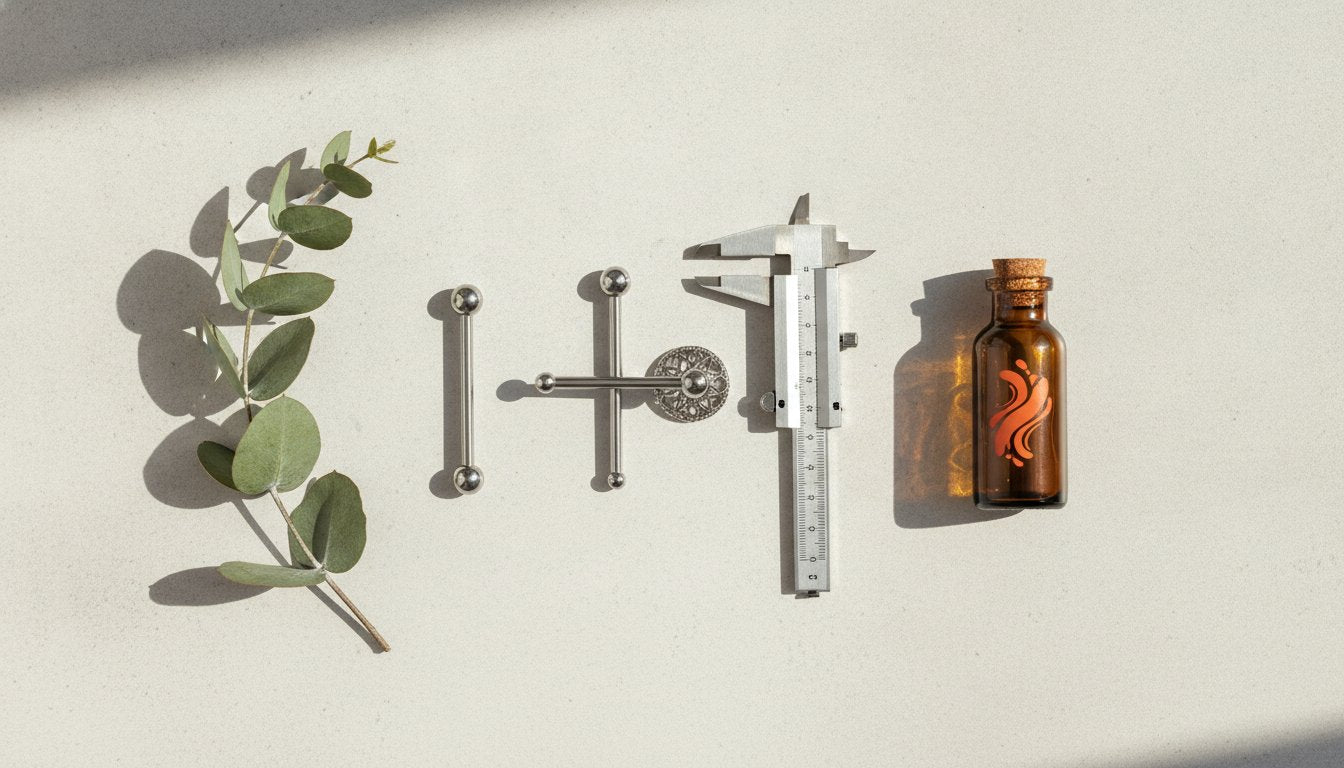
Did you know that nearly 35% of body piercings result in complications like infection or tissue trauma due to improper jewelry or aftercare? Selecting the right nipple rings is about more than just finding a style that reflects your personality; it's a vital commitment to your body's long-term health. You deserve to feel confident and comfortable without the constant worry of metal sensitivities, persistent irritation, or jewelry catching on your clothing.
We believe that the intersection of beauty and biology requires clinical precision. This guide empowers you to master the selection of nipple jewelry with expert insights into body-safe materials, precise sizing, and professional aftercare. You'll learn to identify high-grade 316L surgical steel, measure your own gauge with accuracy, and maintain a vibrant aesthetic while protecting your skin's integrity. Safety is the foundation of style, and quality is the guardian of your well-being.
We'll explore the critical standards for implant-grade metals, explain the technical difference between gauge and length, and reveal the secrets to long-term healing through a curated wellness approach.
Key Takeaways
- Identify the clinical benefits of 316L surgical steel and titanium to ensure your nipple rings support long-term biocompatibility and skin health.
- Master the technical precision of 14G sizing and length measurement to find a comfortable, professional fit tailored to your anatomy.
- Choose between the stabilizing comfort of straight barbells and the intricate artistry of decorative shields for a safe, sophisticated aesthetic.
- Adopt a disciplined aftercare rhythm using saline sprays and healing oils to protect your piercing during its long-term healing journey.
- Trust in twenty years of specialized expertise to guide your transition from physical vulnerability to empowered self-expression.
Nipple Jewelry Styles: From Classic Barbells to Intricate Shields
The choice of jewelry is the primary step in your journey of self-expression. While the history of nipple piercing spans centuries and diverse cultures, modern metallurgy has transformed how we wear these pieces today. Most enthusiasts begin their search for the perfect nipple rings by seeking a balance between aesthetic desire and physical comfort. You need a piece that feels as good as it looks.
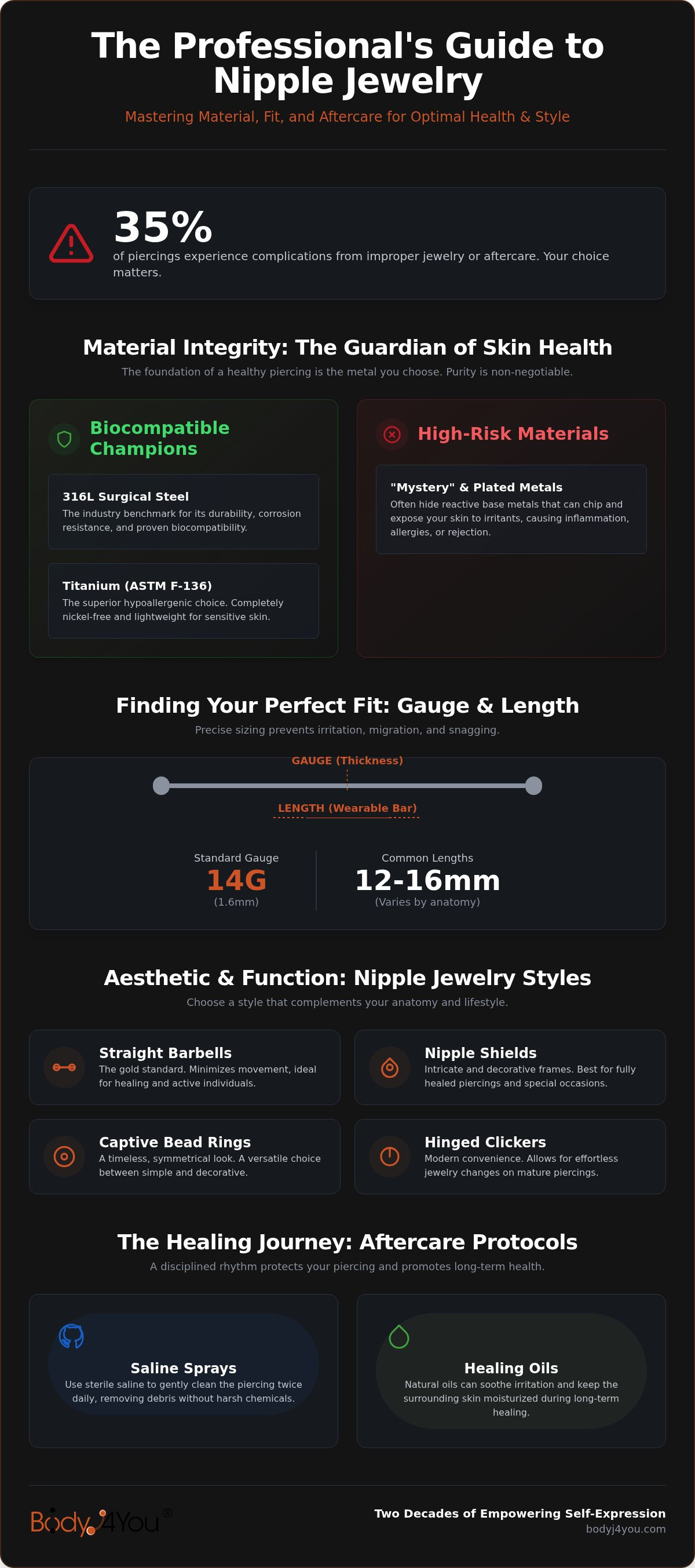
Straight barbells remain the gold standard for both initial healing and long-term wear. They offer a clean, stabilizing presence that minimizes movement within the fistula. Nipple shields provide a more elaborate silhouette, featuring a decorative frame that surrounds the nipple while held in place by a standard barbell. If you prefer a circular aesthetic, captive bead rings (CBRs) offer a timeless, symmetrical look. For those who prioritize modern convenience, hinged clickers allow for effortless jewelry changes once the piercing has fully matured.
The Anatomy of a Nipple Barbell
A high-quality barbell is a masterpiece of precision engineering. The shaft must feature a mirror-smooth, high-polish finish to prevent micro-abrasions against delicate tissue. We prioritize internal threading, where the decorative end screws into the bar rather than over it. This design ensures that no sharp threads pass through the piercing during insertion, protecting your skin from unnecessary trauma. Decorative ends should be chosen carefully. They must balance visual appeal, weight, and ergonomic comfort to ensure they don't cause migration or discomfort during your daily movement.
Choosing Styles Based on Activity Level
Your daily lifestyle dictates your jewelry requirements. Low-profile straight barbells are the "Supportive Specialist" choice for athletes and active individuals. They sit flush against the body, which reduces the risk of snagging during high-impact movement. In contrast, intricate shields and dangles are best reserved for special occasions or fully matured piercings. These larger pieces can be heavy and may interact unpredictably with certain clothing textures like lace or loose knitwear. Captive rings offer a versatile middle ground, though their circular shape may catch more easily on fabrics than a streamlined barbell. By selecting jewelry that matches your rhythm, you ensure both your style and your skin health remain uncompromised. To complement your look with other artisanal pieces, learn more about Thomas Jewellery and their contemporary handcrafted silver designs.
Material Integrity: Why Surgical Steel is the Guardian of Skin Health
The skin on the nipple is uniquely delicate. It requires materials that respect its biological boundaries. When you choose nipple rings, you aren't just selecting an accessory; you're choosing a partner for your skin's healing process. High-quality metallurgy is the difference between a piercing that thrives and one that suffers from chronic irritation. We believe that safety is the foundation of every aesthetic choice.
316L surgical steel stands as the industry benchmark for durability and biocompatibility. It's specifically engineered to resist the corrosive nature of body fluids, ensuring the jewelry remains smooth and non-irritating over years of wear. For those with heightened sensitivities, Titanium (ASTM F-136) offers a lightweight, nickel-free alternative. Since 10-20% of the global population suffers from a nickel allergy, choosing a certified metal is the most effective way to prevent contact dermatitis. We prioritize purity, ethics, and integrity in every piece, ensuring our jewelry meets the rigorous standards required for intimate areas.
Mystery metals and cheap plated alloys have no place in a healthy piercing. These "budget" options often hide reactive base metals beneath a thin decorative layer. Once that plating chips, your body is exposed to elements that can trigger rejection or chronic inflammation. Acting as a "Wise Guardian" for your body means looking past the shine to verify what lies beneath the surface. Our twenty years of industry experience have taught us that quality control is the only path to long-term wellness.
Identifying High-Quality Metals
We follow the "Rule of Three" for material selection: every piece must be non-porous, non-reactive, and durable. Porous metals trap bacteria, while reactive alloys cause the skin to weep or crust. 316L surgical steel is the essential choice for long-term wear because it maintains a passive layer that limits nickel release to levels compliant with global safety standards. If you notice jewelry that feels unusually light or has a "yellowish" tint under a silver surface, it's likely a poor-quality plated metal that will eventually lead to irritation.
Acrylic and Flexible Retainers
There are moments when metal isn't the best option. During medical procedures like MRIs or surgeries, flexible retainers become necessary. This logic mirrors the use of acrylic ear stretching kits, where non-metallic materials provide a specific functional benefit. Bioplast is a popular choice for temporary comfort due to its flexibility. However, these materials are not intended for permanent wear. They can degrade over time and lack the structural integrity of steel. Maintaining material integrity is a core component of successful Aftercare Protocols for Nipple Piercings. When the metal is pure, the body can focus on healing rather than fighting off toxins. You can explore our collection of internally threaded surgical steel barbells designed for maximum skin protection.
Finding Your Perfect Fit: A Guide to Nipple Ring Gauges and Lengths
Achieving a flawless aesthetic depends on mathematical precision. While style and material are vital, the physical dimensions of your nipple rings determine whether your piercing remains stable or encounters complications. Every body is unique. A "one-size-fits-all" approach ignores the reality of human anatomy and the necessity of tissue health. You deserve a fit that feels like a natural extension of your body.
Standard gauges provide the structural foundation for your piercing. Most professional piercers utilize 14G as the universal starting point. This thickness offers the perfect balance of durability, comfort, and stability. It's robust enough to resist migration but slim enough to feel natural for daily wear. If jewelry is too thin, it can lead to the "cheese-cutter" effect. This occurs when the metal slowly migrates through the tissue like a wire through cheese, causing permanent scarring. Stability is the guardian of longevity.
Measuring length is equally critical. This refers to the distance between the entrance and exit holes of the piercing canal. We recommend the "Two-Millimeter Rule" for your primary jewelry. You should always have roughly one millimeter of extra space on each side of the nipple. This gap accommodates natural tissue fluctuations caused by temperature changes, hormonal shifts, or minor swelling. Without this breathing room, the ends of the barbell can press into the skin, causing chronic irritation or embedding. Proper sizing isn't just about comfort; it's a clinical requirement for skin integrity.
Common Nipple Gauge Sizes
Choosing the right gauge ensures your piercing stays exactly where it belongs. Consistency is key for long-term health.
- 14G (1.6mm): The industry standard for nipple piercings. It provides the necessary surface area to prevent rejection and migration.
- 12G (2.0mm): A robust option for those with larger anatomy or established piercings who desire a more substantial feel.
- 16G (1.2mm): Use caution here. This thin gauge is often too fragile for this area and significantly increases the risk of tissue trauma.
How to Measure Your Jewelry at Home
Accuracy is paramount when ordering new pieces. For the most reliable results, use a digital caliper to measure your current, comfortable jewelry in millimeters. If you don't have a caliper, the string-and-ruler method can help estimate barbell length. Simply lay a piece of string across the nipple while it's in a relaxed state, mark the entrance and exit points, and measure that distance against a ruler. For those transitioning between different measurement units, consulting a professional ear gauge size chart provides a helpful reference for safe conversions. While home measurements are useful, following the APP's aftercare guidelines suggests that your first jewelry change should be assisted by a professional to ensure the fit is clinically sound.
The Healing Journey: Aftercare Protocols for Nipple Piercings
Nipple piercings are a commitment to your body's resilience. While the initial procedure is quick, the healing journey for nipple rings often extends from six months to a full year. This duration requires a disciplined aftercare rhythm that balances clinical hygiene with gentle care. You aren't just cleaning a wound; you're nurturing a new channel of self-expression. Success depends on patience, consistency, and the right tools.
We utilize a "Problem-Solution-Proof" approach to help you identify irritation before it escalates into a clinical concern. Minor redness or clear discharge is often a natural part of the inflammatory response during the first few weeks. However, persistent heat, throbbing, or thick yellow fluid suggests a need for professional intervention. Integrating sterile saline spray for piercings into your daily routine provides the isotonic environment your cells need to migrate and close the fistula. This simple ritual ensures your jewelry remains clean, stable, and protected from environmental pathogens. Our two decades of experience show that a sterile, additive-free saline solution is the most reliable guardian of your skin's health.
Handling "crusties," which are the dried lymph fluid that accumulates on the jewelry, requires extreme delicacy. Forcing these through the piercing canal can cause micro-tears in the fragile new skin. Always soften these deposits with saline before attempting removal. When wearing nipple rings, consistency in hygiene is the only way to ensure the jewelry doesn't become a source of trauma to the delicate internal tissue.
Daily Cleaning Rituals
The most effective strategy for healing is often the "LITHA" method: Leave It The Hell Alone. Excessive touching or rotating the jewelry introduces bacteria and disrupts the forming tissue. Use piercing cleaning swabs for precise debris removal without disturbing the barbell. Avoid harsh soaps, alcohols, or hydrogen peroxide. These chemicals are the enemies of a healthy piercing; they strip away beneficial oils and kill the very cells trying to heal your skin.
Troubleshooting Piercing Bumps
Small bumps near the exit holes are usually irritation reactions rather than true keloids. These often stem from jewelry friction, moisture retention, or improper sizing. Using a specialized piercing bump treatment oil can help soothe localized swelling and support the skin's natural barrier. If a bump persists, it's often a signal from your body that you need a jewelry downsize. A professional can swap your initial bar for a shorter one to minimize movement and eliminate the source of irritation. You can protect your investment in style by using our Saline Piercing Aftercare Spray to maintain a pristine healing environment.
BodyJ4You: Two Decades of Empowering Self-Expression
Self-expression is a lifelong journey. For over twenty years, BodyJ4You has acted as a supportive specialist for those navigating the vibrant world of body modification. We believe that choosing nipple rings should be an empowering experience, supported by clinical precision and nurturing care. Our heritage is built on a simple tripartite philosophy: integrity, safety, and accessibility. By maintaining a deep sense of responsibility toward our community, we've established ourselves as a reliable force in an ever-changing industry.
Regulatory trust is the cornerstone of our skincare line. Unlike many brands that source aftercare from unknown origins, our saline sprays and healing oils are manufactured right here in the United States. This commitment ensures that every drop meets rigorous standards for purity and ingredient integrity. We've supported thousands of individuals as they progress from their first septum piercing to more complex, advanced jewelry curations. Whether you're a newcomer or a seasoned enthusiast, our goal is to protect your long-term well-being through every stage of the process.
The Specialist Advantage
Our specialist advantage lies in our direct-to-consumer model. We offer premium materials like 316L surgical steel and titanium without the high-end retail markup. This allows us to provide a vast selection of industrial barbells and specialized nipple jewelry that never compromises on material certifications. We don't just sell products; we provide expert-led content designed to keep you informed. Knowledge is the ultimate tool for maintaining skin health. We prioritize the integrity of the individual over fleeting trends, ensuring your aesthetic choices remain sustainable and safe.
Your Next Steps
Your journey toward a healthier piercing starts with a few intentional actions. Taking the time to audit your current jewelry and aftercare routine can prevent years of irritation. We suggest following this simple checklist to ensure your comfort:
- Assess your fit: Confirm your current barbells allow for the "Two-Millimeter Rule" of extra space.
- Verify materials: Ensure your jewelry is made from certified 316L surgical steel or titanium.
- Stock your toolkit: Maintain a consistent supply of Saline Piercing Aftercare Spray to handle daily cleaning.
Your body is a curated collection of your personal experiences. It's a canvas that deserves the highest quality materials and the most disciplined care. We're here to ensure those experiences remain safe, beautiful, and uniquely yours. If you're ready to upgrade your look with pieces that prioritize your biology, it's time to find your next favorite set, and you can find out more about luxury jewelry and accessories that complement your unique style.
Elevate Your Aesthetic with Clinical Confidence
Your journey to a healed and stylish piercing depends on three essential pillars: material purity, anatomical precision, and consistent hygiene. We've explored how 316L surgical steel acts as a guardian for your skin and why the 14G standard remains the benchmark for long-term stability. By following a disciplined aftercare rhythm and respecting the "Two-Millimeter Rule" for fit, you ensure your aesthetic choices support your biological well-being.
With over 20 years of industry experience, we're proud to be surgical steel and titanium specialists who prioritize your safety. Our U.S. based aftercare manufacturing provides the regulatory trust you need for a predictable and healthy healing process. Investing in premium nipple rings is more than a fashion choice; it's a commitment to your long-term comfort and empowered self-expression. You now have the technical knowledge to make informed decisions that honor your body's unique needs.
Shop Body-Safe Nipple Rings at BodyJ4You
You're ready to embrace a new look with the confidence of an expert. We're honored to support your path toward a vibrant, safe, and beautifully curated aesthetic.
Frequently Asked Questions
What is the standard gauge for nipple rings?
The standard gauge for nipple piercings is 14G, which measures approximately 1.6mm in thickness. This specific size provides the necessary stability to prevent migration and rejection in delicate tissue. While some individuals may eventually transition to a 12G for a bolder look, starting with a 14G ensures the jewelry has enough surface area to stay secure during the long healing process. Using thinner jewelry, like 16G, significantly increases the risk of the "cheese-cutter" effect.
How long should I wait before changing my nipple jewelry?
You should wait between 6 and 12 months before changing your initial jewelry for aesthetic reasons. While the surface may appear healed within a few weeks, the internal fistula takes much longer to fully mature and stabilize. Changing jewelry too early can cause physical trauma, introduce harmful bacteria, or lead to the immediate closure of the piercing canal. Always consult a professional if you believe you need a downsize for comfort before this 6-month window has passed.
Can I wear a nipple ring if I have a nickel allergy?
You can safely wear nipple rings with a nickel allergy if you select biocompatible materials like ASTM F-136 titanium or high-grade 316L surgical steel. Titanium is completely nickel-free and is the preferred choice for those with extreme sensitivities. Our 316L surgical steel is meticulously engineered to limit nickel release, meeting strict global safety standards for prolonged skin contact. Avoid "mystery metals" or low-quality plated jewelry, as these often trigger chronic contact dermatitis.
How do I know if my nipple piercing is rejecting?
Identifying rejection requires monitoring the distance between your jewelry's entry and exit points over time. If you notice the skin becoming thinner, the barbell becoming visible through the surface, or persistent redness that doesn't fade, your body may be pushing the jewelry out. Other signs include a widening of the piercing holes or a sudden change in the jewelry's angle. If you suspect rejection, see a professional immediately to discuss removal and prevent permanent scarring.
What is the difference between internally and externally threaded barbells?
The primary difference lies in where the threads are located; internal threading features a smooth post that receives a threaded end. This design is superior because it prevents sharp metal threads from passing through your piercing during jewelry changes. External threading has the screw threads on the post itself, which can cause micro-tears in the delicate fistula. We specialize in internal threading to ensure your skin health remains uncompromised during every jewelry transition.
Is it safe to sleep in nipple shields?
It is generally not recommended to sleep in large nipple shields or intricate decorative pieces. These styles are significantly more prone to snagging on bedsheets or clothing, which can cause sudden trauma to the piercing. For sleep, a low-profile straight barbell is the safest and most comfortable choice. Save the shields for special occasions or daytime wear once your piercing is fully matured and stable enough to handle the extra weight and dimensions.
How do I clean my nipple rings without irritating the skin?
The most effective way to clean your nipple rings is by using a sterile saline spray twice daily. Avoid using harsh soaps, alcohol, or hydrogen peroxide, as these chemicals strip away beneficial oils and delay the healing process. Simply mist the area and gently pat dry with a clean paper towel. If "crusties" develop, soak them with saline until they soften and can be wiped away without force using a specialized cleaning swab.
Can I use saline spray on a healed nipple piercing?
You can and should use saline spray on a healed piercing as part of your regular hygiene routine. Even after the fistula has matured, sweat, oils, and dead skin cells can accumulate around the jewelry. A quick saline rinse helps remove these deposits and prevents minor irritations or odors from developing. Maintaining this clean environment supports the long-term integrity of your skin and ensures your jewelry remains comfortable and vibrant for years to come.


