

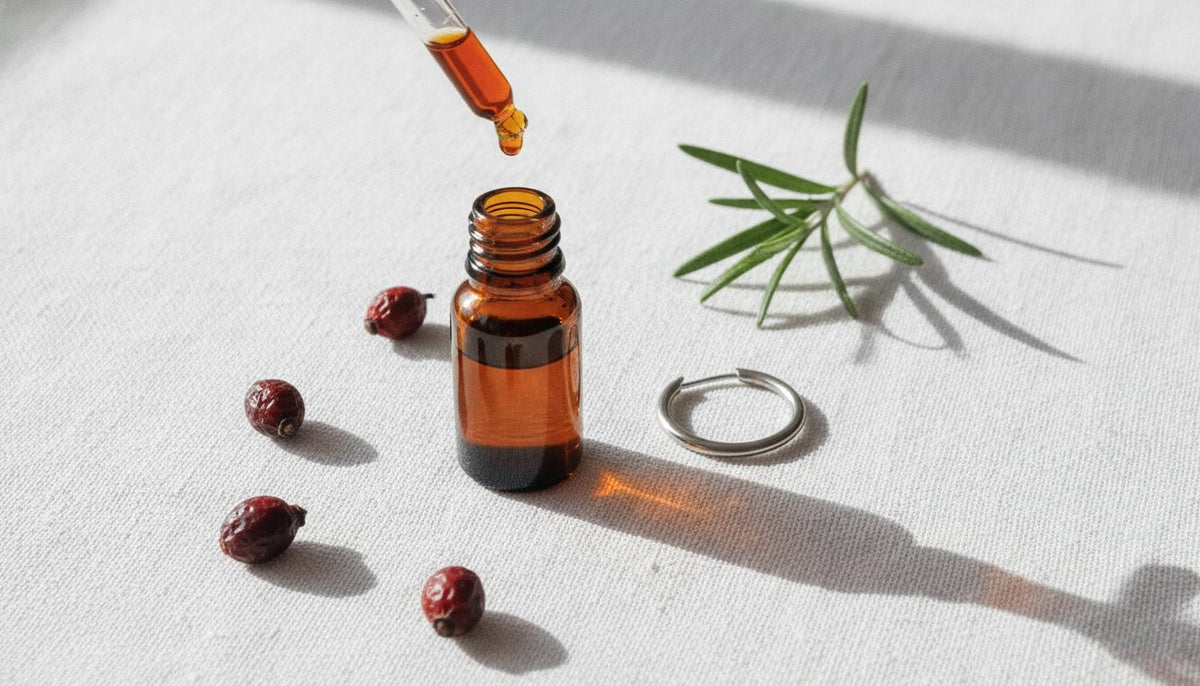
What if the secret to fading a stubborn piercing bump isn't a harsher cleanser, but a more sophisticated finisher? You've likely followed every rule, used your saline sprays, and waited patiently. Yet, the irritation persists. Stubborn granulomas, dry skin, and hypertrophic scars can make your journey toward self-expression feel like a clinical struggle. Using rosehip oil for piercings offers a bridge between biology and beauty. It's a tool for restoration, hydration, and refinement. We recognize that your skin deserves a protective force that prioritizes long-term wellness over fleeting trends.
In this 2026 guide, you'll learn how to integrate this potent botanical into your aftercare without compromising safety. We'll show you how to reduce scar visibility, soothe flaky tissue, and identify the exact moment your piercing is ready for oil-based care. By following our professional protocol, you can move past the frustration of bumps and toward the aesthetic perfection you envisioned. Discover how to transform your routine with our specialized, safety-first guidance. Let’s explore the science of skin recovery together.
Key Takeaways
- Understand how the essential fatty acids in cold-pressed rosehip oil support the lipid barrier and skin regeneration around mature piercings.
- Discover how using rosehip oil for piercings can effectively soften hypertrophic bumps and fade hyperpigmentation left by past irritations.
- Learn why rosehip oil's the superior choice for scar tissue reduction while jojoba oil remains the standard for pure hydration.
- Master the "Golden Rule" of application to ensure you only treat healed tissue, avoiding complications on fresh or open wounds.
- Implement a balanced aftercare regimen that combines clinical saline cleansing with the restorative power of natural botanicals.
The Science of Rosehip Oil in Piercing Aftercare
Rosehip oil is a cold-pressed botanical powerhouse extracted from the seeds of the wild rose bush, Rosa canina. Unlike heavy oils that sit on the surface, it's classified as a "dry oil" because it absorbs almost instantly. This rapid penetration is vital for piercing aftercare; it delivers nutrients without leaving a greasy residue that could trap debris. The chemical composition of rosehip oil is uniquely suited for tissue repair. It provides the lipids necessary to reinforce the skin's natural barrier, which is often compromised during the piercing process. Using rosehip oil for piercings isn't about cleaning the wound. It's about supporting the biological architecture of the skin as it adapts to a foreign object.
You must distinguish rosehip oil from rose essential oil. While they share a name, their chemistry is vastly different. Rose essential oil is a highly concentrated volatile liquid distilled from petals; it's far too aggressive for the sensitive tissue of a piercing. Rosehip oil is a gentle seed-pressed lipid. It offers a protective, stabilizing, and restorative touch for your body art.
Vitamins A and C: The Dynamic Duo for Skin
Cell turnover is the engine of healing. Rosehip oil is naturally rich in Vitamin A, which acts as a gentle precursor to tretinoin. This encourages the skin within the piercing channel to regenerate efficiently. Simultaneously, Vitamin C serves as a critical co-factor for collagen synthesis. This protein provides the structural integrity needed to prevent thinning or migration of the jewelry. By neutralizing oxidative stress from environmental pollutants, these vitamins ensure the site remains resilient, healthy, and vibrant.
Essential Fatty Acids and Inflammation
Redness and irritation are the common enemies of a successful modification. Rosehip oil contains high concentrations of Omega-3 and Omega-6 fatty acids, which work together to calm inflammatory responses. Specifically, the linoleic acid content is a game-changer for those prone to congestion. Heavier oils often lead to "clogged pore" issues around the jewelry, but rosehip oil maintains a clear, breathable environment. For those with stretched lobes, these fatty acids provide essential moisture retention. This keeps the skin supple and prevents the micro-tears that can occur with excessive dryness. It's a precise solution for a delicate need.
Key Benefits: Why Rosehip Oil is a Piercing Superfood
Rosehip oil acts as a specialized skin finisher for those who value both health and aesthetics. It addresses the specific challenges of body modification by refining texture, evening tone, and increasing elasticity. While saline cleanses the wound, rosehip oil restores the skin. It's a targeted solution for the mid-to-late stages of the healing journey. A scientific review of rosehip's dermatological benefits confirms its ability to support tissue remodeling through its rich profile of antioxidants and essential fatty acids. This makes it an indispensable tool for anyone seeking a flawless finish.
Reducing the Appearance of Piercing Bumps
Distinguishing between a scar and an infection is the first step toward proper care. Infections typically present with heat, throbbing pain, and discharge. In contrast, a piercing bump is often a localized buildup of collagen. Hypertrophic scarring is a common, non-permanent reaction to piercing trauma. Because rosehip oil is a "dry oil," it penetrates the deep layers of the dermis without clogging pores. Its natural Vitamin A content signals the tissue to normalize cell turnover. This process helps soften the firm, raised tissue of a bump, gradually flattening the area and restoring a smooth surface. It also effectively fades post-inflammatory hyperpigmentation, erasing the dark marks that often linger after an irritation has passed.
During the mid-stage of healing, many people experience a frustrating "itchy phase." This is a sign of the skin's barrier attempting to reform. Rosehip oil provides immediate, weightless relief to this discomfort. It calms the redness and soothes the urge to scratch, protecting the integrity of the piercing site. For those seeking a dedicated solution, a pure rosehip oil offers the concentrated power needed to manage these common obstacles.
Hydration for Stretched Ears
For enthusiasts practicing "dead stretching," skin suppleness is the difference between a successful jump and a painful setback. Maintaining high skin integrity prevents blowouts and micro-tears that can lead to permanent damage. While jojoba oil is a staple for surface moisture, rosehip oil adds a layer of regenerative support that is vital for long-term ear health. It keeps the tissue thick, resilient, and ready for the next stage of your journey. You can consult an Ear Gauge Size Chart to plan your progress, but remember that your skin's health determines the timeline. By integrating rosehip oil into your daily massage routine, you ensure your lobes remain healthy and flexible even at larger diameters.
Avoid the temptation to use "kitchen oils" like olive or coconut oil. These food-grade products often lack the purity required for body modifications and may contain contaminants that irritate a healing site. Coconut oil, in particular, is highly comedogenic. It can clog the piercing channel and lead to localized breakouts or trapped bacteria. For those facing active, stubborn bumps, a specialized Piercing Bump Treatment Oil offers a balanced, pre-blended solution. These formulas often combine the restorative power of rosehip with other targeted botanicals to provide a more comprehensive approach than a single-ingredient oil alone. This allows you to address the immediate irritation while laying the groundwork for long-term skin health.
Rosehip vs. Tea Tree Oil
Tea tree oil is a powerful antiseptic, designed to combat bacteria and dry out minor infections. It's a "problem-solver" for the early stages of irritation. Rosehip oil, however, is a "rebuilder." It focuses on the health of the skin cells and the reduction of excess collagen. While tea tree must always be diluted to avoid chemical burns, rosehip is gentle enough to be used "neat" on healed tissue. Many professionals recommend a synergy approach: use a diluted antiseptic for initial irritation and follow with rosehip oil to ensure the skin remains supple and scar-free. For those who appreciate this type of solution-oriented care, NaturesNatural4u provides similar natural strategies for managing other health conditions, such as an enlarged prostate.
Emu Oil vs. Vegan Alternatives
How to Safely Use Rosehip Oil on Piercing Bumps and Scars
Safety is the cornerstone of effective aftercare. Before you begin, remember the Golden Rule: never apply oil to a fresh, bleeding, or oozing piercing. Introducing lipids into an open puncture wound can trap bacteria and hinder the natural drainage process. Wait until the initial inflammatory phase has passed. Using rosehip oil for piercings is a technique reserved for tissue maintenance and scar management, not acute wound care. Follow this disciplined protocol to ensure your skin remains protected and stabilized throughout the recovery process.
Step 1: Perform a patch test. Apply a small drop to your inner arm or behind your ear. Even high-purity botanicals can cause a reaction in sensitive individuals. Wait 24 hours to ensure your skin's first encounter with the oil is a positive one.
Step 2: Cleanse the area. Use a sterile saline spray to remove any surface debris. A clean environment is essential before introducing any moisturizing agents. Pat the area dry with a non-fibrous paper towel.
Step 3: Precision application. Apply 1-2 drops of Rosehip oil to a clean piercing cleaning swab. This method prevents cross-contamination and allows you to target the specific site without overwhelming the surrounding tissue.
Step 4: Therapeutic massage. Gently massage the bump or scar for 30 seconds. This physical stimulation increases blood flow to the area, which helps the skin absorb nutrients and break down dense collagen fibers. This mechanical action encourages the tissue to lay flat and move naturally with your skin.
The Importance of Timing
The 4-6 week mark is usually the earliest you should introduce oils. Your piercing is ready for this transition when it no longer produces "crusties" and the initial swelling has subsided. These signs indicate that the internal fistula has begun to stabilize. If you notice any sudden heat, increased redness, or discharge after application, stop immediately and return to a simple saline routine. Listen to your body's signals; they're the best guide for your unique healing journey.
Application Frequency
Twice daily is the ideal rhythm for stubborn hypertrophic scars. Apply once in the morning and once before bed to keep the tissue consistently hydrated. In the world of piercing care, less is more. You don't want to suffocate the piercing channel with excessive product. Consistency is more important than the amount of oil used. A light, regular application will yield better results than an occasional heavy soak. Pick up our US-manufactured rosehip oil to ensure you're using only the purest ingredients on your skin.
Integrating Rosehip Oil into a Professional Aftercare Regimen
Professional aftercare is a journey of balance. We advocate for the "Wise Guardian" approach, where clinical precision meets botanical restoration. This philosophy ensures your self-expression remains a source of pride, not a site of chronic irritation. While saline solution remains the foundation for cleaning, rosehip oil for piercings acts as the essential finisher. It's particularly effective for complex areas like septum piercings and ear cartilage, where tissue density can lead to persistent pressure and scarring. Our commitment to US-manufactured, high-purity oils reflects our belief that your body deserves only the most disciplined standards of care. We prioritize your safety, your health, and your aesthetic goals.
Transitioning from the initial healing phase to long-term maintenance is a critical moment for any enthusiast. Once the internal fistula is stable, your focus shifts from preventing infection to preserving the aesthetics of the site. This is where the regenerative properties of rosehip oil become truly transformative. It allows you to maintain the thickness and health of the tissue, ensuring that your jewelry sits perfectly and the surrounding skin remains vibrant. By choosing a high-purity product, you are investing in the longevity of your body art. It's a choice that supports both your biology and your personal style.
The Cleanse and Condition Protocol
The Cleanse and Condition Protocol solves the common "dryness cycle" that plagues many enthusiasts. Saline is an excellent antiseptic, but its high salt content can leave skin parched and prone to micro-tearing over time. This dual-action method provides a protective and stabilizing force. It keeps the skin supple while maintaining the sterile environment required for deep healing. Follow this simple rhythm:
- Morning: Use a saline spray to clear away bacteria and any overnight buildup.
- Evening: Apply rosehip oil to encourage tissue repair and lock in moisture while you sleep.
Choosing High-Quality Rosehip Oil
Not all oils are created equal. For body modifications, the labels "Cold-Pressed" and "Organic" are markers of quality control and regulatory trust. Cold-pressing ensures the delicate vitamins and fatty acids aren't destroyed by heat during extraction. You must avoid oils with synthetic preservatives or added fragrances. These are frequent triggers for contact dermatitis in healing tissue. With over 20 years of industry experience, BodyJ4You prioritizes ingredient integrity above all else. Our oils are a single-ingredient solution for a niche problem. They are pure, ethical, and effective. Shop BodyJ4You’s Pure Rosehip Oil for your piercing journey.
Master Your Skin's Recovery Evolution
Your journey toward perfect self-expression shouldn't be stalled by stubborn irritation or visible scarring. By embracing a disciplined protocol that balances clinical hygiene with botanical restoration, you protect the long-term integrity of your body art. Using rosehip oil for piercings provides the essential lipids and vitamins needed to flatten bumps, fade marks, and maintain suppleness. It's a sophisticated skin finisher that ensures your modification looks as vibrant as you envisioned. Safety. Purity. Precision.
At BodyJ4You, we bring over 20 years of industry experience to every product we offer. Our dermatologically focused ingredients are manufactured in the USA, ensuring the high standards of purity and regulatory trust your skin requires. We act as a supportive specialist for your healing process, prioritizing your wellness over fleeting trends. Shop Premium Rosehip Oil for Piercing Aftercare to give your skin the protective force it deserves. Stay consistent, stay patient, and enjoy the confidence of a beautifully healed piercing.
Frequently Asked Questions
Can I use rosehip oil on a new piercing?
No, you shouldn't use rosehip oil on a fresh piercing. Applying any oil to an open puncture wound can trap bacteria and hinder the natural drainage process. Wait at least 4 to 6 weeks until the initial healing phase is complete and the site no longer produces discharge. Using rosehip oil for piercings is a strategy reserved for mature tissue and long-term scar management.
Will rosehip oil get rid of my piercing bump overnight?
No, rosehip oil won't eliminate a bump in a single night. Skin regeneration is a steady biological process that requires consistent care. You'll typically see a visible reduction in redness and height after 2 to 4 weeks of twice-daily application. This botanical works by gradually softening dense collagen fibers, so your persistence is the key to achieving a smooth, restored surface.
Is rosehip oil better than tea tree oil for piercings?
Neither is strictly superior because they serve different clinical functions. Tea tree oil is a potent antiseptic designed to dry out active irritations or minor infections. Rosehip oil is a restorative lipid used to soften hypertrophic scars and improve skin elasticity. Many enthusiasts find success with a dual approach: using an antiseptic for initial issues and following with rosehip for tissue refinement.
Can rosehip oil cause an infection?
Rosehip oil itself doesn't cause infection, but improper application can lead to complications. If you apply oil to an unhealed piercing or use a contaminated applicator, you risk trapping bacteria against the skin. Always ensure the site is thoroughly cleaned with a sterile saline spray before you apply any moisturizing agents. Our US-manufactured oils prioritize purity to minimize the risk of adverse reactions.
Does rosehip oil help with keloids?
Rosehip oil is effective for hypertrophic scars, but it won't remove true keloids. Hypertrophic scars are common, non-permanent bumps caused by localized trauma. Keloids are genetic overgrowths of scar tissue that often require professional medical intervention or dermatological surgery. If your bump grows significantly beyond the original piercing site, consult a healthcare professional for a precise diagnosis and specialized treatment plan.
Should I dilute rosehip oil before putting it on my nose piercing?
You don't need to dilute rosehip oil because it's a gentle carrier oil, not a volatile essential oil. It's safe to use at full strength once you've performed a successful patch test on your inner arm. For nose piercings, apply a single drop to a clean swab to ensure precise placement. This prevents the oil from spreading into the nostril or clogging the delicate pores around the jewelry.
Can I use rosehip oil on my industrial piercing?
Yes, rosehip oil is an excellent choice for industrial piercings once the initial healing phase has passed. Industrials are frequently prone to "pressure bumps" due to the tension of the barbell against the ear cartilage. Massaging the site with a high-purity oil helps keep the tissue flexible and resilient. This reduces localized stress on the skin and helps maintain a clean, aesthetic profile for your modification.
Is rosehip oil safe for all skin types?
Rosehip oil is generally safe for all skin types, including sensitive and acne-prone skin. It's a "dry oil" with a high linoleic acid content, which means it absorbs quickly without leaving a greasy residue. This makes it a protective and stabilizing force for various skin chemistries. However, we always recommend a 24-hour patch test to ensure total compatibility before you begin a new aftercare regimen.


