

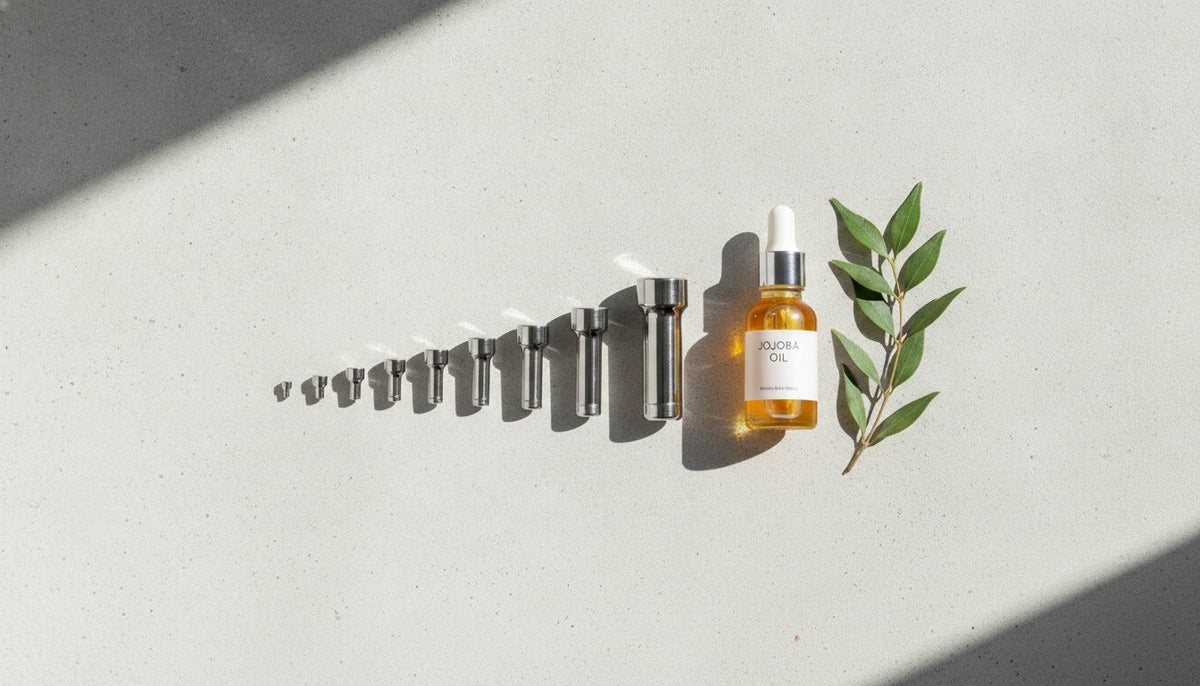
Your earlobes aren't just fabric to be pulled; they are living, breathing tissue that requires a "skin cultivation" mindset rather than a mechanical force approach. Most people assume that pain and "cat-butt" scarring are inevitable milestones on this journey, but that's a dangerous misconception. Finding the safest way to stretch ears is actually a biological process rooted in patience, purity, and precision. You deserve a transformation that feels as good as it looks, free from the anxiety of blowouts or the frustration of persistent irritation.
We understand the confusion that comes with conflicting advice on tapers versus dead stretching, especially when 72% of piercing complications still occur in non-specialized settings. This guide bridges the gap between beauty and biology to ensure your journey is healthy, thick, and pain-free. We'll walk you through the 2026 ASTM material standards, the essential role of natural oils like Jojoba and Rosehip, and the exact timelines needed to maintain your skin's integrity. By following a path that is safe, quality, and affordable, you'll gain the confidence to master your aesthetic goals without compromising your long-term health.
Key Takeaways
- Discover why dead stretching is the biological gold standard for maintaining thick, healthy lobes by working with your skin's natural collagen and elastin.
- Learn the safest way to stretch ears using a structured 5-step protocol that prioritizes preparation and proper lubrication to prevent permanent tissue damage.
- Understand how to choose between surgical steel and acrylic kits based on your skin's sensitivity and the specific phase of your stretching journey.
- Master the use of Jojoba oil and specialized gauges balm to keep your fistula supple and eliminate the risk of "ear funk" through proper hygiene.
- Gain the skills to identify early signs of a blowout and implement the "downsize and rest" method to save your progress and restore lobe health.
The Biology of a Stretch: Understanding Your Earlobes
Ear stretching is a biological commitment. It is the intentional, gradual expansion of the fistula, the fibromuscular tunnel of skin that lines your piercing. This process is not a mechanical act of force; it is a physiological cultivation of living tissue. When you stretch, you aren't just making a hole bigger. You are encouraging your body to produce more skin cells to accommodate a larger diameter. Understanding these cellular mechanics is the first step in identifying the safest way to stretch ears while maintaining long-term health and aesthetic integrity.
Your skin relies on three pillars of health: collagen for structural strength, elastin for flexibility, and consistent blood flow for regeneration. Collagen provides the framework that keeps your lobes thick, while elastin allows the tissue to expand and retract. If you move too quickly, you outpace your body's ability to produce these proteins. This leads to thinning, which compromises the "cushion" of the lobe. Maintaining tissue thickness is vital because it ensures the weight of your jewelry is supported by healthy, vascularized skin rather than fragile, translucent membranes.
It is also time to retire the term "gauging." A gauge is a unit of measurement, not a verb or a lifestyle. You are stretching the lobe tissue, not the gauge itself. Focusing on the biology rather than the jewelry helps shift your mindset toward patience. By respecting the Stretching (body piercing) process as a medical-grade modification, you protect your body from the trauma of "cat-butt" scarring and permanent deformities.
How the Fistula Heals Between Sizes
A common misconception is the "micro-tear" myth. Many believe that you must create tiny tears in the skin for it to grow. This is false. Safe stretching should avoid tears entirely. When you provide a gentle, incremental increase in size, your body responds through a process called skin cell regeneration. During the rest period, your skin undergoes mitosis, creating new cells to fill the space created by the tension. If you rush this cycle, your body produces scar tissue, known as fibrosis. This tough, inelastic tissue is the enemy of progress; it lacks the blood flow of healthy skin and will eventually prevent you from reaching larger sizes.
The Point of No Return: Permanent vs. Reversible
The most frequent question in the community involves reversibility. While every body heals differently, the "8mm rule" (0g) is the industry standard for the threshold of lobe shrinkage. Factors such as your age, your local climate, and the speed of your journey will influence how well your ears "snap back." If you stretch too fast or experience frequent blowouts, you damage the elastin fibers permanently, making closure impossible even at smaller sizes. The "point of no return" is generally defined as exceeding the 8mm mark, after which the fistula likely requires surgical intervention to return to a standard piercing size.
Methods Compared: Dead Stretching vs. Tapers
Selecting the right technique is the most critical decision in your journey. While various options exist, dead stretching is widely recognized as the gold standard for maintaining lobe thickness and long-term health. This method relies on the natural elasticity of your skin and the gentle weight of high-quality jewelry. By utilizing a comprehensive ear stretching kit, you provide your lobes with the incremental sizes they need to expand without trauma. Unlike methods that force a change, dead stretching respects the biological timelines of your tissue to keep it supple, healthy, and resilient.
In contrast, tapers are often the subject of controversy in the professional community. Tapers are designed as tools for insertion, acting as a guide to help jewelry slide into a healed fistula. They are not intended for long-term wear. The mechanical pressure of a taper can easily lead to over-stretching, which is one of the primary risks and complications of ear stretching. When you use a taper as jewelry, the uneven weight distribution puts unnecessary stress on the healing skin. This is the safest way to stretch ears: prioritize the natural gravity of plugs over the forced expansion of a tool.
When to Use a Taper and Plug Kit
A Surgical Steel Taper and Plug Kit is an excellent asset when used correctly. The taper should only be used to bridge the gap between a currently healed size and the next incremental step. Surgical steel is the preferred material here because it is hypoallergenic, non-porous, and exceptionally smooth. If you experience sharp pain, stinging, or significant resistance, you must stop immediately. These are clear indicators that your tissue isn't ready. For a reliable start, you can explore a high-quality Surgical Steel Taper and Plug Kit to ensure a smooth transition.
The Taping Method: Fine-Tuning Your Size
As you reach larger sizes, the jumps between gauges become more significant. Moving from 2g to 0g involves a 2mm increase, which can be too much for some skin types. The taping method involves wrapping single layers of PTFE or bondage tape around your current plugs to increase their diameter by fractions of a millimeter. This allows for a microscopic, painless expansion. You must use non-adhesive, skin-safe materials and replace the tape every 24 hours. Daily cleaning is essential to prevent the accumulation of bacteria and the notorious "ear funk" that can plague neglected stretches.
Material Safety: Choosing Your First Stretching Set
The material you place inside a fresh stretch is just as vital as the method you choose. During the active expansion phase, your fistula is vulnerable and requires a stable environment to regenerate skin cells. Non-porous materials are mandatory because they do not harbor bacteria, they prevent skin adhesion, and they ensure a smooth healing process. This is the cornerstone of the safest way to stretch ears; using porous materials like wood, bone, or certain stones in an unhealed stretch can lead to localized infection, significant swelling, and severe tissue irritation.
While organic materials are beautiful for long-term wear in fully healed lobes, they act like a microscopic sponge for bodily fluids and microbes. For those following a professional ear stretching safety guide, the priority is always biocompatibility and surface purity. High-quality metals and specialized plastics provide the stable, sterile surface required for mitosis and cellular regeneration. By choosing materials that respect your body's biological needs, you empower yourself to reach your aesthetic goals without the setbacks of unnecessary inflammation.
Surgical Steel: The Professional Standard
316L Surgical Steel remains the industry benchmark for durability, hygiene, and safety. This specific grade of steel is preferred for initial stretches because its ultra-smooth finish minimizes friction against the delicate fistula lining. Because it is non-porous, it prevents the buildup of biofilm that can cause odors or irritation. 316L surgical steel is specifically engineered to be hypoallergenic and highly resistant to corrosion from bodily fluids. When you use a Surgical Steel Taper and Plug Kit, you are investing in a material that is easy to sterilize, cool to the touch, and exceptionally reliable for sensitive skin types.
Acrylic: Lightweight and Affordable Style
An Acrylic Ear Stretching Kit offers a lightweight alternative for those prioritizing comfort and variety. Acrylic is particularly useful for everyday wear once the initial sensitivity of a stretch has subsided; its reduced weight puts less strain on the lobe tissue during movement. To maintain health, you must clean acrylic jewelry daily with mild soap and water to preserve its surface integrity and prevent the accumulation of debris. For the budget-conscious enthusiast, acrylic serves as the perfect entry-level material that balances aesthetic flexibility with reliable safety standards. It is an excellent choice for maintaining progress between jumps without the heaviness of metal jewelry.
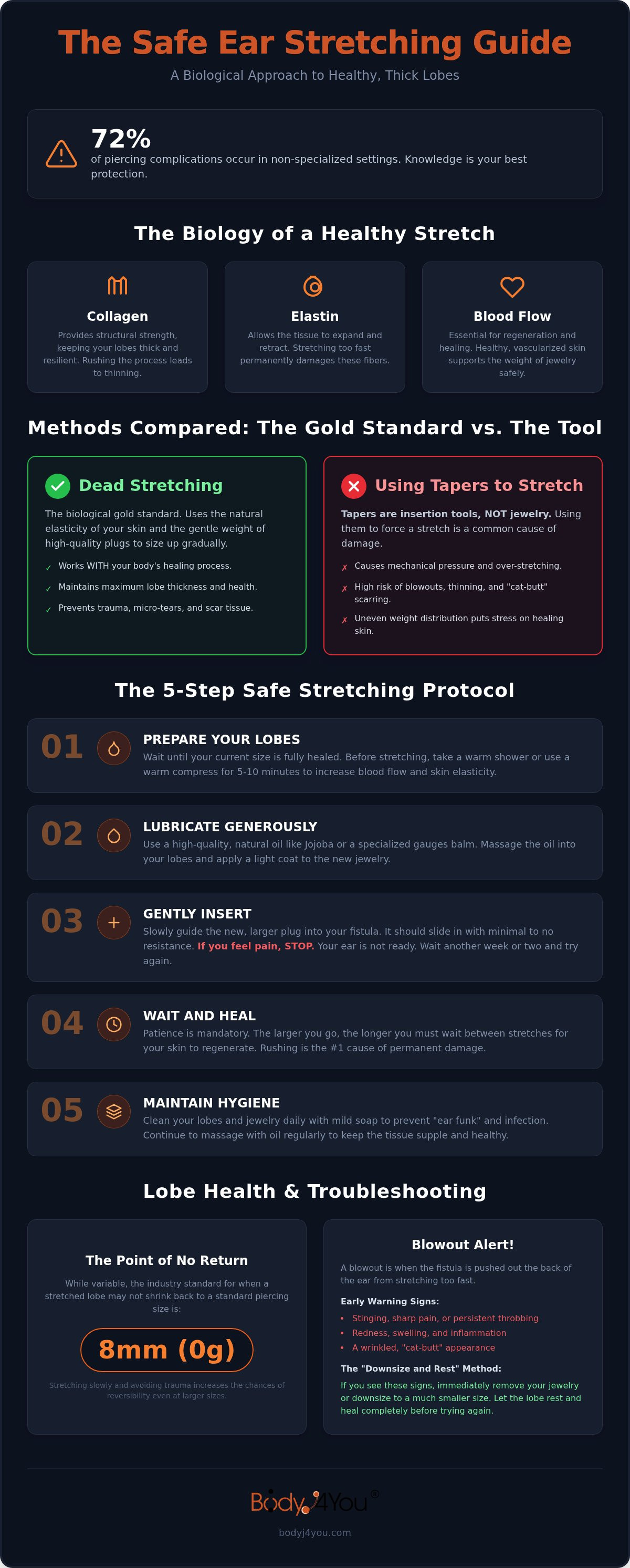
The 5-Step Safe Stretching Protocol (2026)
Experience has taught us that the safest way to stretch ears is through a disciplined, repeatable ritual. It isn't a race; it's a biological cultivation. By following a structured protocol, you eliminate guesswork and protect your skin's integrity. This five-step method ensures your journey remains safe, quality, and affordable while achieving the high-end aesthetic you desire.
- Step 1: Preparation. Begin with a hot shower. The steam and warmth increase localized blood flow, making the fibromuscular tissue of the lobe significantly more pliable and responsive to expansion.
- Step 2: Lubrication. Never attempt a stretch on dry skin. Apply a generous amount of Jojoba oil or a specialized gauges balm to both your lobe and the jewelry to create a frictionless barrier.
- Step 3: Insertion. Follow the "no-resistance" rule. The jewelry should slide into the fistula with a gentle, steady push. If you feel a sharp pinch or need to force the piece, your tissue isn't ready.
- Step 4: Aftercare. Cleanliness is your primary defense against irritation. Use a sterile saline spray for piercings twice daily to flush the area and support the regenerating skin cells.
- Step 5: Monitoring. Listen to your body's signals. A mild tingling sensation is normal, but throbbing, heat, or persistent pain are indicators that you should downsize and rest.
The Essential Wait-Time Calendar
Patience is the foundation of lobe health. While individual healing rates vary based on your hydration, diet, and sleep quality, following a standardized timeline is essential. Rushing the process leads to thinning and scar tissue. Consult this ear gauge size chart to ensure you never skip a size. In 2026, the recommended minimum wait times are:
- 14g to 12g: 1 month
- 12g to 10g: 1.5 months
- 10g to 8g: 2 months
- 8g to 6g: 3 months
- 6g to 2g: 3 to 4 months
- 2g to 00g: 4+ months
Lubrication: The Secret to Frictionless Stretching
Lubrication isn't just about the moment of insertion; it's about long-term tissue maintenance. Jojoba oil is a favorite because it closely mimics the body's natural sebum, allowing for deep absorption and superior skin conditioning. For daily care, a specialized Gauges Balm provides a thicker, protective layer that stays on the skin longer. Regular lobe massages with these natural oils stimulate blood flow and break up microscopic tension. This practice keeps the fistula supple and resilient, preventing the micro-tears that are the primary cause of blowouts and "ear funk."
To maintain the highest standards of hygiene and comfort during your journey, we recommend integrating a sterile saline spray for piercings into your daily wellness routine.
To further support your body's regenerative capabilities from within, you can MetaPWR Recharge kaufen at LoveSama, offering metabolic wellness to complement your piercing aftercare routine.
Troubleshooting and Long-Term Lobe Health
Even when you follow the safest way to stretch ears, your body may occasionally signal a need for a pause. Setbacks like blowouts or thinning tissue aren't failures; they're biological requests for better care. A blowout occurs when the internal fistula is forced out through the back of the piercing, often due to rushing or excessive friction. If you spot a red, fleshy ring emerging from your lobe, you must implement the "downsize and rest" protocol immediately. Remove your current jewelry and insert a plug that is at least two sizes smaller. This relieves pressure, allows blood flow to return to the damaged area, and gives the tissue the space it needs to retract and heal.
Long-term health also means managing the notorious "ear funk" caused by the buildup of dead skin cells and natural sebum. This odor is a sign that the biofilm within your fistula needs more frequent attention. Daily cleaning with mild soap and a thorough rinse with Saline Piercing Aftercare Spray will keep your lobes fresh and healthy. If you notice your lobes becoming thin or "tight" over time, don't panic. You can often thicken the tissue by downsizing for several weeks while performing consistent daily massages. This process encourages the body to focus on cellular repair rather than maintaining a stretch, resulting in a more resilient foundation for future expansion.
The Power of Natural Oils: Jojoba, Rosehip, and Castor
The right oils act as the stabilizing force for your journey, bridging the gap between clinical health and aesthetic refinement. Jojoba oil remains the gold standard for daily lubrication, but adding Rosehip and Castor oils to your routine provides specific "rehab" benefits. Rosehip oil is rich in essential fatty acids and antioxidants, making it ideal for reducing the appearance of minor scarring and persistent redness. Castor oil provides a denser, deep-penetrating hydration that is specifically effective for promoting skin thickness. We recommend a "Rule of Three" approach to your daily massage: downsize, hydrate, and massage for five minutes to stimulate the collagen production necessary for thick, healthy lobes.
Signs of Infection vs. Normal Irritation
It's vital to distinguish between the standard "tingle" of a new stretch and a clinical infection. Normal irritation usually subsides within 48 hours and involves minor tenderness or redness. An infection, however, presents with localized heat, significant throbbing, and yellow or green discharge. Using a Saline Piercing Aftercare Spray twice daily acts as a protective barrier, flushing out debris and neutralizing harmful bacteria before they take hold. If your lobe feels hot to the touch or if swelling doesn't decrease after downsizing, seek professional advice from an experienced piercer or a healthcare provider. Your long-term well-being is always more important than a fleeting aesthetic trend.
Empower Your Aesthetic Transformation
Your journey toward self-expression should be a source of pride, not a source of physical anxiety. By prioritizing the biological needs of your skin and respecting the natural timelines of tissue regeneration, you've mastered the safest way to stretch ears. Success in this craft is built on three essential pillars: patience, material purity, and consistent aftercare. Whether you're utilizing the hypoallergenic strength of surgical steel or the lightweight versatility of acrylic, your commitment to the "skin cultivation" mindset ensures a healthy, resilient result that lasts a lifetime.
At BodyJ4You, we've spent over 20 years refining the tools you need for a successful transformation. Our US-manufactured aftercare solutions and meticulously designed kits reflect our core philosophy: Safe, Quality, Affordable. We're here to act as your specialist mentor, providing the stabilizing force you need to express your unique identity without compromise. Start your journey safely with a BodyJ4You Ear Stretching Kit today. You've the knowledge, the tools, and the biological roadmap to succeed. Embrace your new look with confidence and the peace of mind you deserve.
Frequently Asked Questions
How long should I wait between ear stretches?
You should wait a minimum of one to four months between sizes, depending on the current gauge of your lobes. Smaller transitions, such as 14g to 12g, typically require about six weeks, while larger jumps like 2g to 00g need at least four months for the tissue to stabilize. This patience is the safest way to stretch ears because it allows for complete skin cell regeneration and prevents the formation of inelastic scar tissue.
Is it normal for ear stretching to hurt?
Pain is never a normal or healthy part of the stretching process. While you might feel a slight "tingle" or a sensation of fullness, any sharp stinging, throbbing, or resistance indicates that the tissue is being torn rather than expanded. If you experience pain, stop immediately and downsize your jewelry. Forcing a stretch outpaces your body's natural production of elastin and collagen, leading to permanent damage.
What is the best material for stretching my ears for the first time?
316L Surgical Steel is the professional standard for initial stretches due to its non-porous surface and hypoallergenic properties. It is exceptionally smooth, which minimizes friction and prevents the buildup of bacteria within the fistula. For those seeking a lightweight and affordable entry point, an Acrylic Ear Stretching Kit is an excellent alternative that balances everyday comfort with high safety standards during the middle stages of your journey.
How do I know if I have a blowout and how do I fix it?
A blowout is identified by a red, fleshy ring of tissue protruding from the back or front of your piercing. To fix this complication, you must downsize by at least two sizes immediately to relieve pressure on the damaged skin. Apply Saline Piercing Aftercare Spray twice daily and perform gentle massages with Jojoba oil once the skin has closed. This "downsize and rest" protocol is essential for restoring your lobe's biological integrity.
Can I use tapers to stretch my ears past 0g?
Using tapers to stretch past the 0g (8mm) mark is highly discouraged because the risk of uneven pressure and tearing increases significantly at larger diameters. At this stage, the safest way to stretch ears is through dead stretching with weighted plugs or the gradual taping method. These techniques respect the biological limits of your skin, ensuring that your lobes remain thick, healthy, and capable of supporting larger jewelry sizes.
What is the "ear funk" smell and how do I get rid of it?
"Ear funk" is the natural accumulation of dead skin cells, sebum, and moisture that builds up within the fibromuscular tunnel. You can eliminate this odor through a simple daily hygiene ritual: remove your jewelry, wash your lobes with mild soap, and use Saline Piercing Aftercare Spray. Maintaining this routine prevents the formation of the biofilm that traps odors, keeping your stretching journey clean, wellness-oriented, and sophisticated.
Can I stretch my ears with silicone tunnels?
You should never use silicone tunnels to actively stretch your ears. Silicone is a porous material that can fuse to the delicate lining of a fresh stretch, leading to severe infection and potential skin loss. Only wear silicone jewelry in lobes that have been fully healed for at least four weeks. This ensures your skin's structural integrity isn't compromised by the material's unique "suction" effect or its tendency to harbor microbes.
How much Jojoba oil should I use for daily lobe massages?
You only need one to two drops of Jojoba oil per lobe to perform an effective daily massage. This precise amount mimics your body's natural sebum, providing deep hydration and improving skin elasticity without leaving a greasy residue. Focus on a five-minute massage to stimulate blood flow and break up tension. This consistent care supports the tripartite motto of a successful journey: it is safe, quality, and affordable for long-term health.


