

Why should a bold journey of self-expression be accompanied by the frustrating reality of "ear cheese" or persistent skin irritation? You've invested months of patience into your aesthetic, yet maintaining that progress often feels like a constant battle against odor and dryness. We understand that your lobes are a canvas. Like any masterpiece, they require specialized care to remain healthy, resilient, and beautiful. Mastering how to clean stretched earlobes is the essential foundation for any enthusiast who values biological health as much as personal style. It's a delicate balance that ensures your modification remains a point of pride rather than a source of discomfort.
You deserve a daily routine that is simple, effective, and rooted in dermatological safety. This guide provides the ultimate hygiene and aftercare roadmap to help you achieve healthy, thick lobes and pristine jewelry. We'll explore the "Clean, Massage, Moisturize" trifecta, utilizing the pure power of jojoba and rosehip oils to maintain skin elasticity. By following these professional standards, you'll eliminate crusty buildup and the fear of blowouts for good. Let's refine your ritual and restore the purity your skin deserves through a steady, logical approach to wellness.
Key Takeaways
- Identify the biological triggers of "ear cheese" and learn how to neutralize the accumulation of sebum and dead skin cells effectively.
- Master a precise, five-step daily routine for how to clean stretched earlobes to maintain a healthy, odor-free fistula.
- Distinguish between cleaning protocols for surgical steel, acrylic, and silicone to ensure your jewelry remains a sterile environment for your skin.
- Unlock the benefits of lobe massages using jojoba and rosehip oils to stimulate blood flow, increase thickness, and preserve elasticity.
- Discover why a disciplined aftercare ritual is the most effective way to protect your aesthetic investment and support long-term wellness.
Understanding the Biology: Why Stretched Ear Hygiene Matters
Your journey into Stretching (body piercing) is a deliberate biological transformation. It is not just about the jewelry you wear. It is about the health of the fistula. This is the internal tube of living skin that lines your piercing. Because this tissue is constantly shedding cells within a confined space, it requires a higher standard of hygiene than a standard piercing. Understanding the biology of your ears is the first step in mastering how to clean stretched earlobes effectively.
Neglecting this internal environment leads to more than just a scent. It can cause micro-tears or significant thinning of the skin. Healthy lobes rely on our core philosophy, the Rule of Three: Purity, Protection, and Patience. Purity involves using clean, high-quality materials. Protection means shielding the skin from harmful bacteria. Patience allows the tissue to heal and thicken between stretches. When these three elements are in harmony, your lobes remain resilient, thick, and healthy.
The Science of the Smell
The infamous "ear cheese" odor is a common side effect of the body's natural processes. Your skin is a living organ that constantly regenerates. In a stretched piercing, dead skin cells and sweat become trapped against the jewelry. Sebum is the natural oil your skin produces that becomes problematic only when it accumulates and mixes with bacteria. Non-porous materials like acrylic or certain plastics can worsen this by preventing airflow. This lack of oxygen creates a breeding ground for the bacteria that produce that distinct, pungent scent. Learning how to clean stretched earlobes involves breaking this cycle of buildup before it causes lasting irritation.
Signs Your Lobes Need a Deeper Clean
Your body is excellent at signaling when it's time for a more thorough hygiene routine. If you ignore these signals, you may face localized infections or a loss of skin elasticity. Watch for these specific symptoms:
- Persistent Redness: A constant pink or red hue often indicates that the skin is under stress from organic buildup.
- Crusty Deposits: Visible yellow or white debris on the jewelry suggests that sebum and dead skin have hardened.
- Itching and Heat: If your lobes feel warm or itchy, it is often a sign that bacteria are beginning to irritate the fistula.
Responding to these cues with a dedicated cleaning routine ensures your stretching journey remains safe and sophisticated. It is a commitment to your long-term well-being and the integrity of your personal style.
Daily Routine: How to Clean Your Stretched Earlobes in 5 Steps
Establishing a consistent hygiene ritual is the most effective way to preserve the health of your skin and the longevity of your jewelry. It isn't enough to simply rinse your ears during a shower. Mastering how to clean stretched earlobes requires a unified approach that addresses both the living tissue and the adornments you wear. This five-step routine ensures your lobes remain supple, sterile, and free from the accumulation of organic debris.
- Step 1: Removal. Carefully remove your jewelry. This allows the fistula to breathe and ensures you can reach every surface of the skin.
- Step 2: Lather. Use warm water and a mild, fragrance-free soap to gently wash the lobes. Focus on removing any softened sebum or dead skin cells.
- Step 3: Flush. Apply a sterile saline solution to the area. This helps neutralize bacteria and maintains a balanced pH within the piercing.
- Step 4: Dry. Moisture trapped behind jewelry is a primary cause of irritation. Use a clean paper towel or specialized piercing cleaning swabs to ensure the area is completely dry.
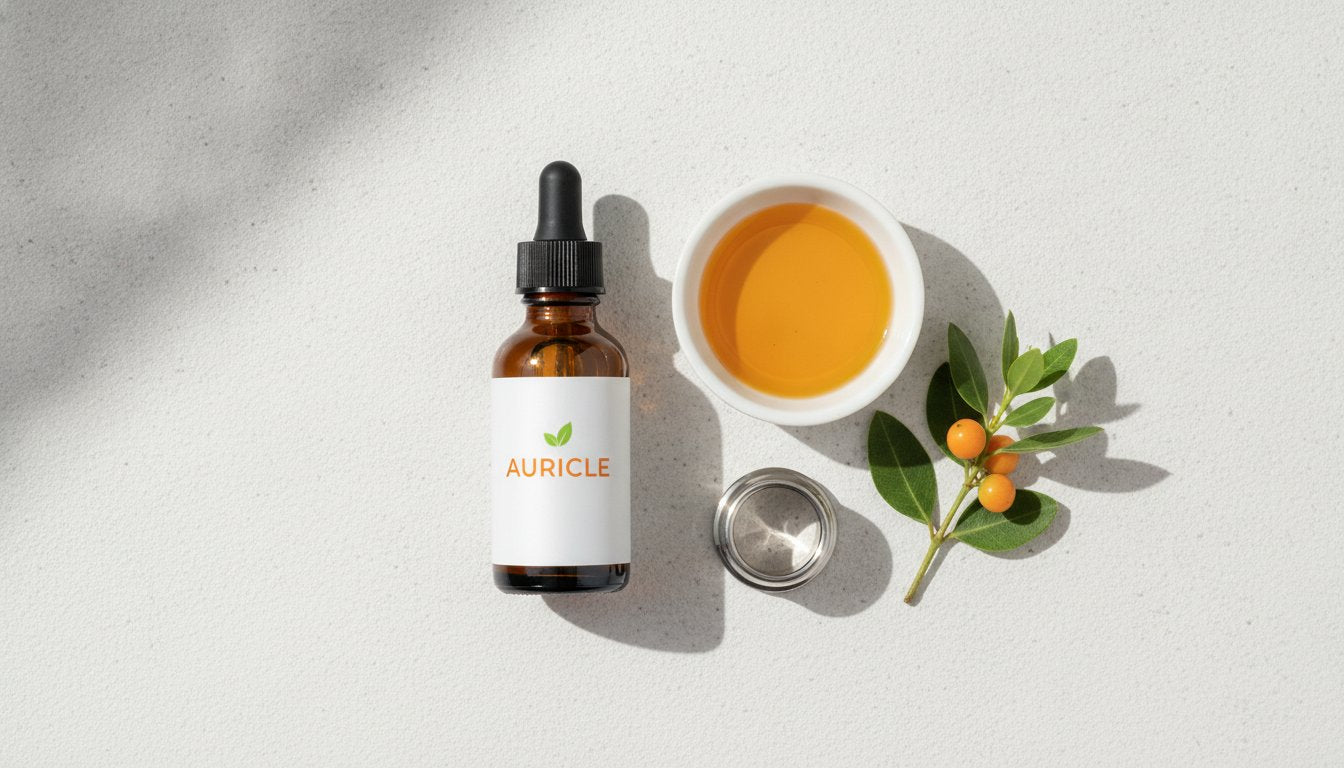
- Step 5: Hydrate. Apply a drop of jojoba or rosehip oil to the lobe before reinserting clean jewelry. This seals in moisture and maintains skin elasticity.
This systematic method provides a comprehensive solution to the common challenges of ear stretching. By following these steps daily, you create a protective barrier against the environment while supporting your body's natural healing processes.
The Best Soaps and Solutions
Purity is paramount when choosing aftercare products. You should strictly avoid harsh chemicals like rubbing alcohol or hydrogen peroxide. These substances are too aggressive; they strip away healthy cells and delay the healing process. Instead, rely on a dedicated sterile saline spray for piercings that contains only 0.9% sodium chloride. Look for "wound wash" labels that specify no added preservatives. If you're looking for a complete solution, our aftercare collection offers everything needed to maintain a pristine environment for your lobes.
Cleaning During the Healing Phase
Fresh stretches require a more cautious approach. During the first two weeks after a stretch, your skin is in a state of repair and should not be disturbed. This is where the LITHA (Leave It The Hell Alone) method is most effective. Do not remove your jewelry during this time, as doing so can cause micro-tears or immediate shrinkage. Instead, use saline spray twice daily to flush the area without physical contact. Once the initial "tight" feeling subsides and there is no redness, you can transition to the full soap-and-water routine. Following professional stretching guidelines ensures you never rush this critical recovery window, allowing the tissue to thicken and stabilize naturally.
Jewelry Maintenance: Cleaning Plugs and Tunnels by Material
Adopting a rigorous skin routine is only half of the hygiene equation. If you reinsert contaminated jewelry into a fresh fistula, you risk introducing bacteria into a vulnerable environment. Your jewelry serves as a bridge between beauty and biology. Because different materials interact with your skin in unique ways, they require specific protocols to remain sterile and vibrant. Mastering how to clean stretched earlobes must include a deep understanding of the materials you wear every day.
Surgical steel and titanium are the gold standards for hygiene. These materials are non-porous, durable, and biocompatible. You can easily sanitize them using warm water and mild, fragrance-free soap. For those who prioritize clinical precision, these metals are also autoclave-safe. Glass and stone offer similar non-porous benefits, making them excellent choices for sensitive skin. However, you must inspect these pieces for small chips or cracks during every cleaning session. A jagged edge on a stone plug can cause micro-tears, leading to inflammation or infection.
The "Never Soak" Rule for Organics
Organic materials like wood, bone, and horn are prized for their breathability and natural aesthetic. However, their porous nature makes them susceptible to environmental damage. You should never submerge organic jewelry in water. Submersion causes wood to swell and eventually crack, creating sharp edges that irritate the skin. Bone and horn can become brittle if they lose their natural oils. To clean these pieces, use a slightly damp cloth to wipe away debris and dry them immediately. Always follow up with a light coating of jojoba oil to preserve the material's integrity and prevent it from absorbing moisture from your skin.
Sanitizing Synthetic Materials
Synthetic materials are popular for their versatility and lightweight feel. If you are using an acrylic ear stretching kit, daily cleaning is mandatory. Acrylic and silicone are more porous than metal or glass, meaning they can trap sebum and bacteria more easily. This buildup is often the primary cause of persistent odors. Pay close attention to the "O-rings" on your plugs; these small rubber bands are where the majority of bacteria hide. Scrub them thoroughly with a soft cloth and mild soap. When you aren't wearing your jewelry, store it in a clean, dry container to maintain purity. A disciplined approach to jewelry care ensures that your journey toward self-expression remains safe, sophisticated, and odor-free.

Advanced Lobe Care: Massages and Moisture
While the daily ritual of how to clean stretched earlobes removes external threats, advanced care focuses on internal resilience. A healthy lobe is not just clean; it is thick, elastic, and well-circulated. Many enthusiasts experience thinning of the tissue over time, especially when moving toward larger gauges. You can combat this through the power of manual stimulation. By incorporating a daily five-minute massage into your routine, you encourage blood flow and collagen production. This simple act reinforces the fistula, ensuring your skin remains dense enough to support heavier jewelry without the risk of tearing.
To perform a safe lobe massage, start with clean hands and a few drops of your chosen oil. Gently rub the lobe between your thumb and forefinger using small, circular motions. Work from the top of the piercing down to the bottom, ensuring you cover the entire surface area. This process should feel soothing, never painful. If you notice any discomfort, reduce the pressure immediately. Consistency is the key to success. Dedicating just five minutes to each ear after your evening cleaning will yield visible results in skin health and thickness within weeks.
Choosing the Right Oil: Jojoba vs. Castor
The choice of lubricant is a critical decision for your biological health. Purity matters. Jojoba oil is the gold standard for most because its molecular structure is almost identical to human sebum. This allows it to penetrate deeply, providing hydration without clogging pores. For those dealing with extreme dryness or minor scarring, castor oil offers a thicker, more intensive repair barrier. If you are frequently on the move, a specialized gauges balm provides a mess-free alternative. These balms often blend multiple vitamin-rich oils into a portable tin, offering a protective shield against harsh weather and environmental irritants.
Troubleshooting Irritation and Bumps
Even with a perfect routine, your body may occasionally react to environmental stress or a new stretch. It is vital to distinguish between a "blowout," which is a structural failure where the internal skin is pushed outward, and a simple piercing bump. Irritation bumps are often localized and fluid-filled, caused by friction or trapped bacteria. If a bump appears, apply a piercing bump treatment oil twice daily to reduce inflammation and soothe the skin. If the irritation persists or the skin feels excessively tight, do not hesitate to downsize your jewelry. Temporary regression is often the only way to allow the tissue to recover its integrity. Protect your progress and maintain your skin's health by exploring our full collection of aftercare essentials today.
The BodyJ4You Professional Aftercare Solution
Mastering how to clean stretched earlobes is a journey that requires the right partnership. For over 20 years, BodyJ4You has served as a wise guardian for the piercing community, bridging the gap between clinical safety and personal aesthetics. Our extensive industry presence has taught us that the best results come from a blend of professional-grade ingredients and disciplined routines. We take quiet pride in our heritage, focusing on US-manufactured and ethically produced aftercare that you can trust. This commitment to quality control ensures that every drop of oil and every spray of saline meets the highest dermatological standards.
Your stretching journey is unique, and your hygiene kit should reflect that. Whether you are at a subtle 14G or a bold 00G, the final step in understanding how to clean stretched earlobes is ensuring you have tools tailored to your specific needs. Building a custom kit allows you to address your skin's current state, whether it requires intense hydration or simple daily maintenance. By choosing products designed by specialists who understand the biology of a fistula, you empower yourself to express your identity without compromising your physical well-being.
Essential Tools for Every Stretched Ear
A sophisticated routine relies on precision instruments. Our Saline Piercing Aftercare Spray is the foundation of daily hygiene, offering a gentle yet effective way to flush out bacteria without disturbing the skin's natural balance. For those intricate areas where jewelry meets tissue, our specialized Piercing Cleaning Swabs provide unmatched convenience. These tools allow you to reach deep into the piercing to remove softened sebum without the lint or irritation caused by standard cotton balls. To ensure you are always using the correct jewelry for your current stage, our ear gauge size chart serves as your complete 2026 reference for safe stretching and maintenance.
Join the BodyJ4You Community
We believe that education is the most powerful tool for any enthusiast. Beyond providing high-quality materials, we act as an expert mentor for our community. You can find a wealth of resources on our platform, from deep dives into jewelry materials to advanced troubleshooting for common stretching hurdles. If you ever feel uncertain about your progress, our supportive specialists are available to provide personalized advice and reassurance. Your path to self-expression should be a steady, logical, and inspiring experience. Explore our full range of aftercare solutions today and embrace a healthy, odor-free stretching journey that reflects the purity and integrity of your style.
Secure Your Aesthetic Future
Self-expression is a lifelong journey that demands discipline, purity, and patience. You now possess the technical knowledge required to maintain healthy, resilient skin. By mastering how to clean stretched earlobes through our recommended daily ritual, you'll ensure your modification remains a point of pride. Remember to prioritize high-quality materials, perform regular massages to stimulate blood flow, and seal in moisture with pure oils. This balanced approach protects the delicate fistula while supporting the vibrant world of your personal aesthetics.
With over 20 years of industry experience, BodyJ4You acts as a "Wise Guardian" for your stretching journey. We offer a US-manufactured skincare line designed specifically for the biological needs of the piercing community. Our supportive specialists are dedicated to your long-term wellness and self-expression. Take the next step in your ritual and Shop Professional Piercing Aftercare and Stretching Kits today. Your journey's a masterpiece in progress. Stay consistent, stay inspired, and enjoy the confidence of healthy, beautiful lobes.
Frequently Asked Questions
How often should I clean my stretched earlobes?
Mastering how to clean stretched earlobes at least once every day is essential for long-term health. This daily consistency prevents the accumulation of dead skin cells and sebum within the fistula. Incorporating this into your evening hygiene ritual ensures that your skin remains healthy, resilient, and odor-free. Frequent cleaning is the most effective way to manage the biological environment of a stretched piercing. It establishes a foundation of purity, protection, and predictability.
Why do my stretched ears smell even if I clean them?
Odor often persists because of the interaction between trapped sebum and bacteria, even with regular washing. If you wear porous materials like acrylic or silicone, they can harbor microscopic bacteria that produce scents more quickly than non-porous metals. Understanding how to clean stretched earlobes and your jewelry collection is vital to eliminating this phenomenon. Ensure you are scrubbing O-rings and jewelry surfaces thoroughly to remove the organic debris that acts as a breeding ground for bacteria.
Can I use rubbing alcohol to clean my gauges?
You should strictly avoid using rubbing alcohol or hydrogen peroxide on your skin or jewelry. These chemicals are far too aggressive for delicate tissue. They strip away moisture, kill healthy cells, and delay the healing process. Instead, rely on a Saline Piercing Aftercare Spray to flush the area safely. Alcohol can also damage certain jewelry materials, leading to surface cracks or pitting. This damage creates new hiding places for bacteria and irritates the fistula.
What is the best oil for stretched ear massages?
Jojoba oil is the gold standard for lobe massages because it closely mimics your skin's natural sebum. It penetrates deeply to provide hydration and maintain the elasticity required for safe stretching. For those needing an extra layer of protection, our Gauges Balm offers a convenient, portable alternative. Rosehip and castor oils are also excellent options for intensive tissue repair. These vitamin-rich oils support the biological integrity of your skin while facilitating a smoother stretch.
Should I take my plugs out when I shower?
Removing your plugs during a shower is highly recommended for healed piercings to allow the skin to breathe. The warm water and steam help soften any stubborn buildup, making the cleaning process much more efficient. However, if you have a fresh stretch, you should keep your jewelry in place. Moving jewelry in a sore piercing can cause micro-tears and delay stabilization. Wait until the initial tenderness subsides before removing jewelry for cleaning.
How do I clean my ears if I just sized up and they are sore?
If your lobes are sore after a recent size increase, use a sterile Saline Piercing Aftercare Spray to flush the area without physical contact. Avoid removing the jewelry or using soap until the initial tenderness has subsided. This hands-off approach prevents further irritation while the saline neutralizes potential bacteria. Once the soreness fades and the skin stabilizes, you can return to your standard five-step routine. This transition ensures you respect the healing timeline of your body's tissue.
Is it normal for my lobes to be dry and flaky?
Dryness is a common signal that your skin is lacking essential hydration or reacting to environmental stressors. Flaky skin often occurs when natural oils are stripped away without being replaced. To restore balance, apply a few drops of jojoba oil or a specialized gauges balm daily. This maintains the purity, protection, and patience required for a successful journey. Proper moisturization prevents micro-tears and keeps the skin elastic enough for future stretches.


