

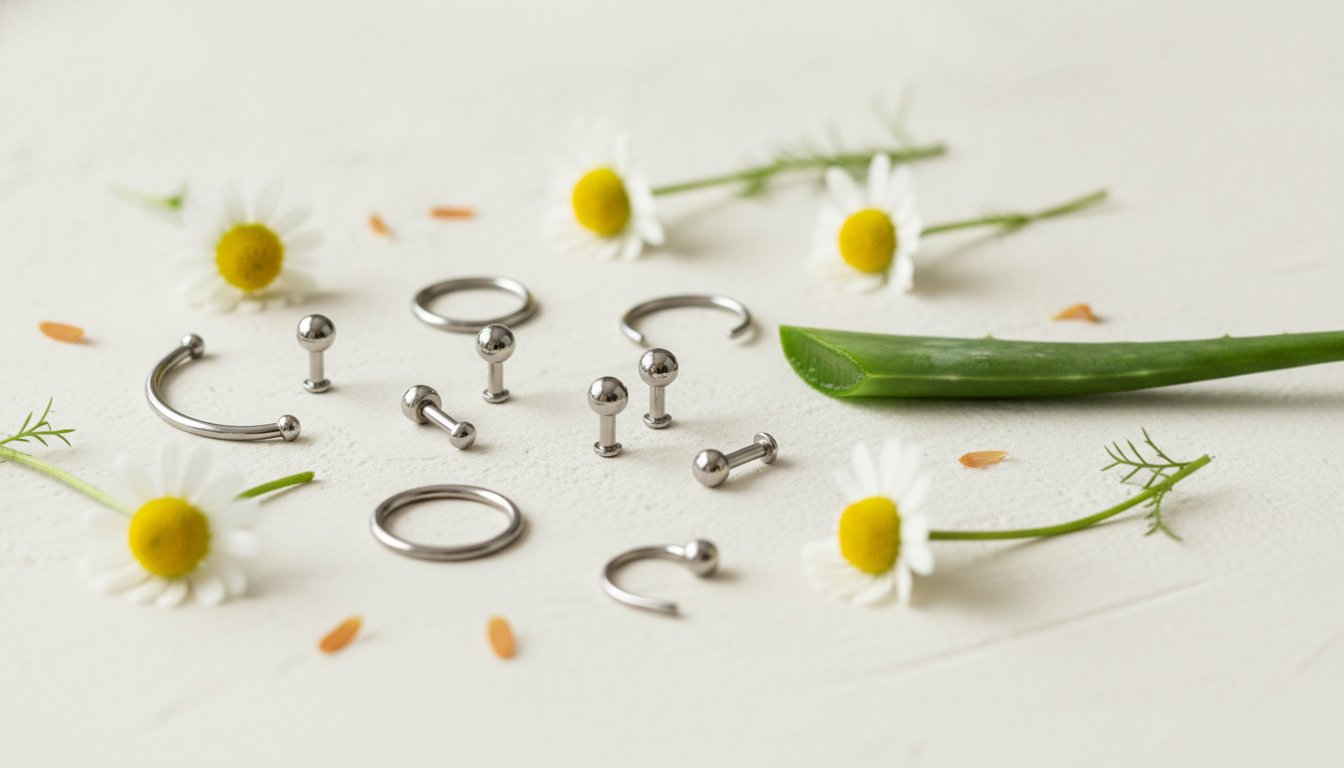
Did you know that adults with piercings are 5.9 times more likely to develop a nickel allergy than those without? It often begins as a faint itch, but it quickly evolves into a persistent, burning discomfort that leaves you questioning your new aesthetic. Recognizing the signs of an allergic reaction to piercing jewelry is the essential first step in protecting both your skin and your journey of self-expression.
You've invested your time, your money, and your personal identity into your new look. It's completely normal to feel a sense of dread when persistent redness makes you fear the loss of your piercing. You want clarity, safety, and a solution that doesn't involve giving up on your style. This 2026 expert guide will empower you to identify the specific red flags of metal sensitivity and provide a professional plan to soothe your skin. We will examine the latest ASTM F136 material standards, compare the biocompatibility of surgical steel versus titanium, and outline the precise aftercare steps required to restore your skin's health.
Key Takeaways
- Differentiate between the heat of an infection and the persistent itch of an allergy to choose the most effective path to healing.
- Recognize the specific signs of an allergic reaction to piercing jewelry early enough to stabilize your skin and preserve your body art.
- Understand why ASTM F136 titanium remains the 2026 industry standard for biocompatible, high-purity jewelry.
- Master the "Swap and Soothe" method to transition into hypoallergenic materials without losing your piercing hole.
- Build a safe jewelry collection using our expert checklist of dermatologically approved metals and restorative aftercare essentials.
Understanding Metal Sensitivities: Why Your Piercing Reacts
A piercing allergy is more than a minor skin irritation; it's a specific immune response known as Allergic Contact Dermatitis (ACD). While a necklace or watch sits on the surface of your skin, piercing jewelry is unique because it remains in constant contact with internal, healing tissue. This "Internal Factor" creates a direct pathway for your immune system to interact with the metal. Because the jewelry is embedded in living tissue, the body responds with significantly greater intensity than it would to a surface accessory. This heightened state of awareness is why your body might reject a low-grade earring even if you can wear a cheap bracelet without issue.
Nickel is the primary culprit in the vast majority of these reactions. It is a common alloy used to harden softer metals, but it is also the number one enemy of a fresh piercing. When low-grade jewelry begins to oxidize or leach ions into the wound, your body identifies these particles as a threat. Biocompatibility is the key to preventing this biological conflict. High-quality materials are designed to be inert, meaning they do not react with your body's chemistry. This stability allows the skin to heal around the jewelry rather than trying to push it out. Purity. Safety. Expression.
The Biology of a Metal Allergy
The process of sensitization begins when metal ions bond with the proteins in your skin. This creates a new molecular structure that your immune system doesn't recognize. Your body, acting as a "Wise Guardian," identifies this new protein-metal complex as a foreign invader. This specific biological event, often classified as metal hypersensitivity, is what triggers the visible signs of an allergic reaction to piercing jewelry. It is a protective mechanism designed to keep you safe, even if it feels like it's ruining your new look.
Sensitization can occur at any time. You might wear a specific pair of earrings for three years without a single itch, only to have your ears swell up on the fourth. Once your immune system decides a metal is an enemy, it never forgets. This sudden onset is often confusing, but it simply means your body has reached its threshold for that specific material. It is a biological request for better quality and more refined aesthetics.
Common Triggers in Body Jewelry
Not all jewelry is created with the same dermatological standards. Low-grade "costume" jewelry is the most frequent trigger for reactions because it often contains high levels of nickel or lead. Even "silver-plated" items can be dangerous; once the thin outer layer wears down, your healing tissue is exposed to the reactive base metals underneath. To maintain the integrity of your skin, you must be selective about what you introduce to your body.
- Mystery Alloys: Avoid jewelry labeled as "fashion gold" or "silver tone" without a specific metal breakdown.
- Plated Metals: These are temporary solutions that often fail during the healing process.
- Low-Grade Plastics: Some cheap plastics leach chemicals. For those beginning a stretching journey, utilizing an Acrylic Ear Stretching Kit provides a safer, more stable alternative to unregulated materials.
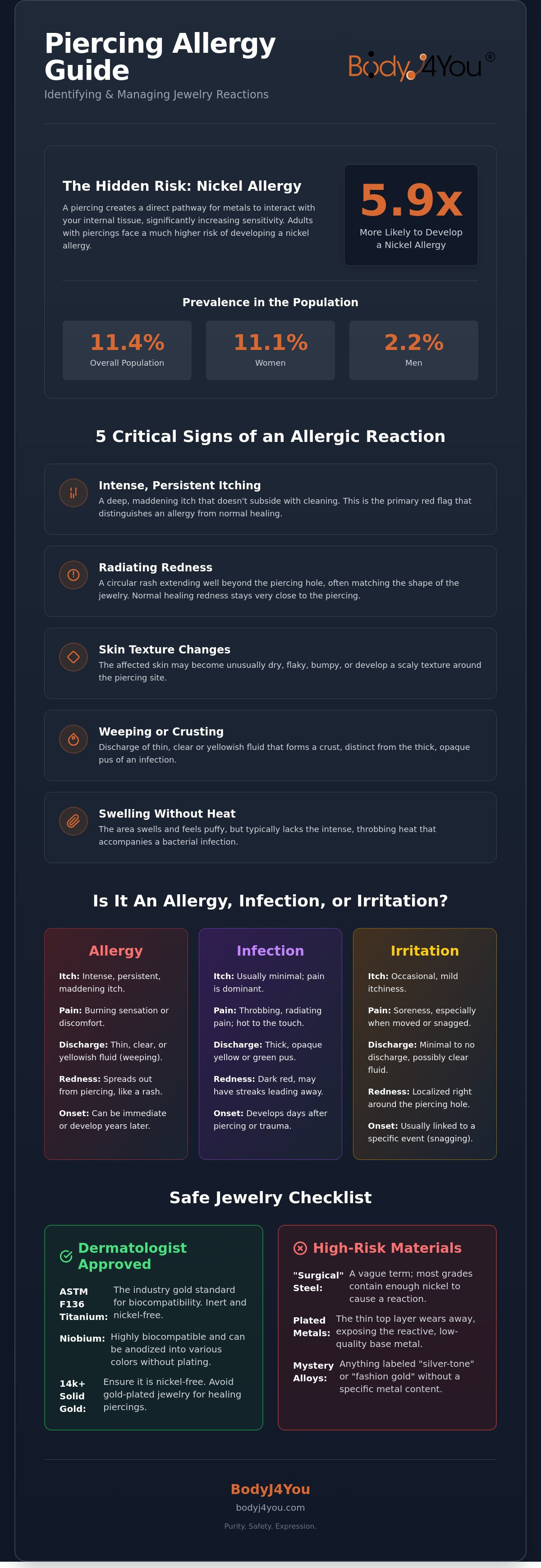
According to research from June 2026, nickel allergy prevalence remains high at 11.4% of the population. Women are particularly affected at 11.1%, while men sit at 2.2%. These statistics highlight the importance of choosing materials that respect your biology. By prioritizing ASTM-standard metals, you ensure your self-expression remains a journey of growth rather than a struggle with irritation.
5 Critical Signs of an Allergic Reaction to Piercing Jewelry
Identifying the specific signs of an allergic reaction to piercing jewelry requires a keen eye for detail. While every new piercing undergoes a period of adjustment, an allergic response is distinct in its persistence and intensity. It isn't a temporary phase; it's a physiological protest. You must observe the site closely to determine if your body is simply healing or if it's sounding a biological alarm. Understanding these signals is the first step toward a safe, effective, and refined healing process.
- Intense, Persistent Itching: This is often the primary red flag. Unlike the occasional "tickle" of a healing wound, an allergy causes a deep, maddening itch that refuses to resolve with standard cleaning.
- Radiating Redness: Look for a circular rash that extends significantly beyond the immediate entry point. If the redness mimics the footprint of the jewelry, your body is likely reacting to the leaching of metal ions.
- Texture Alterations: The skin may become dry, flaky, or develop a "leathery" feel. This thickening is a defensive response as the body attempts to create a barrier against the perceived invader.
- Serous Discharge: You might notice a clear or straw-colored fluid weeping from the site. This is serous fluid, which is a hallmark of inflammation, whereas thick, opaque pus typically indicates a bacterial infection.
- Jewelry Migration: If the piercing hole appears to be widening or the jewelry is "traveling" toward the skin's surface, your body is physically rejecting the material to protect its internal integrity.
Sensory Warning Signs
Hypersensitivity is a localized immune overreaction where the body treats harmless metal ions as dangerous pathogens. While a "tight" or "achy" feeling is common during the first week of healing, a metal allergy often presents as a distinct, burning heat. This sensation is often accompanied by an itch that precedes any visible redness. If you experience this deep-seated discomfort, it's time to evaluate the purity of your jewelry. It's your body's way of requesting a more biocompatible alternative.
Visible Skin Changes
The "rash ring" is a classic signature of metal sensitivity, often appearing exactly where the metal touches the skin. In more acute cases, you may observe tiny, fluid-filled blisters known as vesicles. These are clear indicators of contact dermatitis. You should also monitor for skin thinning, jewelry displacement, and tissue tension. This thinning is a final warning that the body is actively pushing the metal out. While you monitor these changes, keeping the area clean with a Saline Piercing Aftercare Spray can help you distinguish between simple debris irritation and a true biological reaction.
Allergy vs. Infection vs. Irritation: How to Tell the Difference
Distinguishing between a biological sensitivity and a bacterial invasion is critical for the longevity of your body art. When your skin reacts, your first instinct might be panic. You might assume the worst. You might treat an allergy as an infection, or ignore an infection as simple irritation. Identifying the specific signs of an allergic reaction to piercing jewelry helps you avoid unnecessary treatments for issues that aren't actually there. It's about clinical precision. It's about aesthetic safety. It's about peace of mind.
A simple "Temperature Check" is your first line of defense. Infections are metabolic battles; they generate significant heat. If the area feels hot to the touch or radiates warmth, you're likely dealing with bacteria. Allergic reactions, by contrast, are usually "cool" to the touch, even if they look angry and red. While an allergy might feel like it's burning, it lacks the physical heat of an active infection. Use the "Pus Test" as your second diagnostic tool. Clear or straw-colored fluid is usually serous drainage, a common byproduct of metal sensitivity. If the discharge becomes thick, opaque, and green or yellow, an infection has likely taken hold.
The pain profile also tells a story. Infections typically produce a deep, rhythmic throbbing that syncs with your heartbeat. Allergies are characterized by persistent irritation, intense itching, or a surface-level burning sensation. Physical trauma from snagging or sleeping on a new piercing can also lead to piercing bumps, which are often mistaken for permanent metal allergies. These localized bumps are usually the result of friction rather than a systemic immune response.
The Piercing Bump Dilemma
An "irritation bump" is a localized granuloma that forms due to mechanical stress. It isn't always a sign of an allergy. Often, the culprit is improper jewelry sizing. A bar that's too short compresses the tissue, while a bar that's too long moves excessively and creates micro-tears. Before you assume you're allergic to the metal, evaluate the fit. Using a specialized Piercing Bump Treatment Oil can soothe this non-allergic inflammation and help the tissue flatten. Calm the skin. Restore the balance. Protect the piercing.
When to Seek Professional Help
While most sensitivities can be managed by swapping materials, some situations require immediate medical attention. If you experience fever, chills, or nausea, the infection may have become systemic. Extreme swelling that causes the skin to "swallow" the jewelry is known as embedding and requires professional intervention to prevent permanent scarring. Finally, look for red streaks emanating from the piercing site. This is a sign of lymphangitis and needs urgent care. Your health always takes priority over your jewelry.
Immediate Steps to Manage a Reaction and Save Your Piercing
Don't panic. Discovering the signs of an allergic reaction to piercing jewelry can feel like a crisis, but immediate removal isn't always the wisest first step. If you want to preserve your piercing, you need a disciplined strategy. Removing the jewelry during an active flare-up often leads to the hole closing within minutes, potentially trapping any secondary bacteria or inflammatory fluids inside the tissue. Instead, focus on a controlled transition. We call this the "Swap and Soothe" method. It involves replacing the reactive metal with implant-grade, biocompatible materials while simultaneously calming the surrounding tissue. This approach prioritizes the longevity of your body art while addressing the immediate biological need for a safer material.
Sterile irrigation is your most powerful tool during this phase. Using a Saline Piercing Aftercare Spray allows you to flush out leached metal ions and environmental debris without causing further mechanical trauma. This process physically removes the "trigger" while keeping the wound bed hydrated and clean. In some cases, professional piercers may suggest a "piercing sleeve" or a threadless labret to act as a physical barrier between the sensitive skin and the jewelry post. This creates a protective buffer that allows the skin to rest. Cleanse. Stabilize. Heal.
The Cleaning Protocol
Twice-daily irrigation with sterile saline is the gold standard for managing reactive skin. You should avoid alcohol, hydrogen peroxide, or harsh antibacterial soaps at all costs. These substances are far too aggressive for compromised tissue; they strip away healthy cells and prolong the inflammatory cycle. A high-quality saline spray maintains a neutral pH for the skin, which mimics the body's natural chemistry and creates the ideal environment for cellular repair. It’s about working with your biology, not fighting it. Consistent, gentle cleansing ensures that crust and irritants don't accumulate, which could otherwise exacerbate the itching and redness.
Switching Your Jewelry Safely
Do not attempt to swap your jewelry at home during a reaction. Irritated tissue is incredibly delicate and prone to micro-tearing. A professional piercer can perform a sterile jewelry swap, ensuring the new piece is sized correctly to accommodate any localized swelling. Switching to Internal Threaded Labret Studs is particularly beneficial for reactive skin. The smooth post passes through the piercing without the "sawing" effect of external threads, which minimizes further trauma to the internal fistula. If you were in the middle of a stretching journey, pause all "Dead Stretching" methods immediately. Your body needs to prioritize structural integrity over increased gauge size until the reaction is fully resolved.
Ensure your healing process is supported by the highest standards of safety. Explore our collection of implant-grade titanium jewelry to find a biocompatible solution that respects your skin's health and supports your self-expression.
Choosing Hypoallergenic Materials: Your Safe Jewelry Checklist
Selecting the right metal is the final step in your recovery. Once you recognize the signs of an allergic reaction to piercing jewelry, you must pivot to materials that prioritize biological safety over convenience. Not all metals are created equal. Purity matters. Certification matters. Your health matters. This checklist is your guide to building a collection that respects your skin's integrity while supporting your personal style.
- Titanium (ASTM F-136): This is the gold standard for anyone with sensitive skin. The latest ASTM F136 standard, updated on February 9, 2026, ensures this material is wrought titanium-6aluminum-4vanadium ELI alloy, specifically designed for surgical implants. It's completely nickel-free and highly bio-compatible.
- 316L Surgical Stainless Steel: A durable and popular choice for healed piercings. While it contains 10-14% nickel, the alloy's structure is designed to trap nickel ions, though it may still trigger highly sensitive individuals.
- Niobium: An elemental metal that contains zero nickel. It is softer than titanium but offers exceptional bio-compatibility for those with extreme hypersensitivity.
- Acrylic: For those in the early stages of a stretching journey, Acrylic Ear Stretching Kits offer a lightweight, short-term option that avoids the weight stress of heavy metals while you stabilize your skin.
Material Safety Standards
"Implant Grade" isn't just a marketing buzzword. It's a technical certification. It means the material has been rigorously tested for long-term placement inside human tissue. Beyond the alloy, look for a mirror-polish finish. This high-end shine isn't just for aesthetics; it removes microscopic pits where bacteria and debris can hide. Proper sizing is equally vital. Consult our ear gauge size chart to ensure your jewelry fits perfectly. A precise fit reduces friction and prevents the mechanical irritation that can mimic the signs of an allergic reaction to piercing jewelry.
BodyJ4You: Two Decades of Safe Self-Expression
With over 20 years of industry experience, we understand the delicate balance between beauty and biology. We source only the highest quality materials to ensure your journey of self-expression remains safe and vibrant. Our locally manufactured skincare and ASTM-standard jewelry are designed for the modern, health-conscious individual who refuses to compromise on quality.
Safe. High-Quality. Affordable.
Don't let a reaction end your style journey. You deserve jewelry that feels as good as it looks. Browse our Titanium and Surgical Steel Collections for reactive skin and give your body the purity it deserves.
Protecting Your Skin and Your Style
Your body's reaction is not a failure; it's a clear call for higher standards. By identifying the signs of an allergic reaction to piercing jewelry early, you can pivot to materials that support your biology rather than challenge it. You now have the technical knowledge to distinguish between the heat of an infection and the persistent itch of metal sensitivity. You understand that implant-grade titanium remains the gold standard for a reason. Purity. Safety. Expression.
At BodyJ4You, we bring over 20 years of industry expertise to every piece we curate. Our commitment to your well-being is reflected in our ASTM-compliant materials and our locally manufactured aftercare line. We believe that self-expression should never come at the cost of physical comfort. It's time to elevate your collection with pieces that respect your skin's unique needs. Shop Hypoallergenic Jewelry for Sensitive Piercings and rediscover the joy of safe, vibrant body art. Your journey toward a fully healed, beautiful piercing continues today.
Frequently Asked Questions
Can I be allergic to a piercing I’ve had for years?
Yes, you can develop a metal allergy at any point in your life. Sensitization occurs when your immune system suddenly identifies metal ions as a threat, even if you have worn the same jewelry for a decade without issue. This biological shift is often permanent once the threshold is reached. It is your body's way of requesting a higher standard of material purity.
How long does it take for a piercing allergic reaction to go away?
Most symptoms begin to subside within 48 hours of removing the offending metal. However, the skin may take one to two weeks to fully recover its original texture and strength. Using a sterile saline spray during this time helps maintain a neutral pH and flushes away lingering irritants. Consistent care ensures a steady, logical path back to skin health.
Is surgical steel safe for people with nickel allergies?
Surgical steel is a durable and high-quality option, but it is not entirely nickel-free. Most 316L surgical steel contains 10 to 14 percent nickel, which is trapped within the molecular structure of the metal. While many people with minor sensitivities find it comfortable for healed piercings, those with acute allergies should choose titanium instead. Safety. Purity. Integrity.
What does an infected piercing look like vs. an allergic reaction?
Infections are metabolic battles characterized by physical heat, throbbing pain, and thick, opaque discharge that is green or yellow. By contrast, the signs of an allergic reaction to piercing jewelry typically include clear fluid, intense itching, and skin that feels cool to the touch. Recognizing these differences allows you to choose a targeted solution rather than a generic treatment.
Can I use hydrocortisone cream on my piercing allergy?
No, you should avoid applying hydrocortisone or any topical steroid creams to a piercing site. These ointments can thin the delicate fistula tissue and trap bacteria inside the wound, which significantly increases the risk of a secondary infection. Focus on sterile irrigation and swapping your jewelry to a biocompatible material like ASTM F136 titanium. Gentle care is the most effective care.
What is the most hypoallergenic metal for body piercings?
ASTM F136 Implant-Grade Titanium is the most hypoallergenic metal available for body modification. It is completely nickel-free, exceptionally lightweight, and highly resistant to corrosion from body fluids. Niobium is another excellent elemental choice for those with extreme sensitivities. Both materials are designed to be inert, allowing your body to heal without biological conflict.
Will my piercing close if I take the jewelry out during a reaction?
Yes, a piercing can begin to close in as little as a few minutes when the tissue is inflamed. The body's natural response to a reaction is to contract and heal the "wound" as quickly as possible. To save your piercing, have a professional perform a sterile swap to a hypoallergenic stud rather than leaving the hole empty. This maintains the channel while removing the source of irritation.
Does gold jewelry ever cause allergic reactions in piercings?
Gold can cause reactions if it is not high-purity or if it is alloyed with nickel or copper. You should only use solid 14k or 18k gold that is certified nickel-free for fresh or reactive piercings. Avoid "gold-plated" or "gold-filled" jewelry, as the thin outer layer will eventually wear down. This exposes your sensitive tissue to the reactive base metals underneath.


