

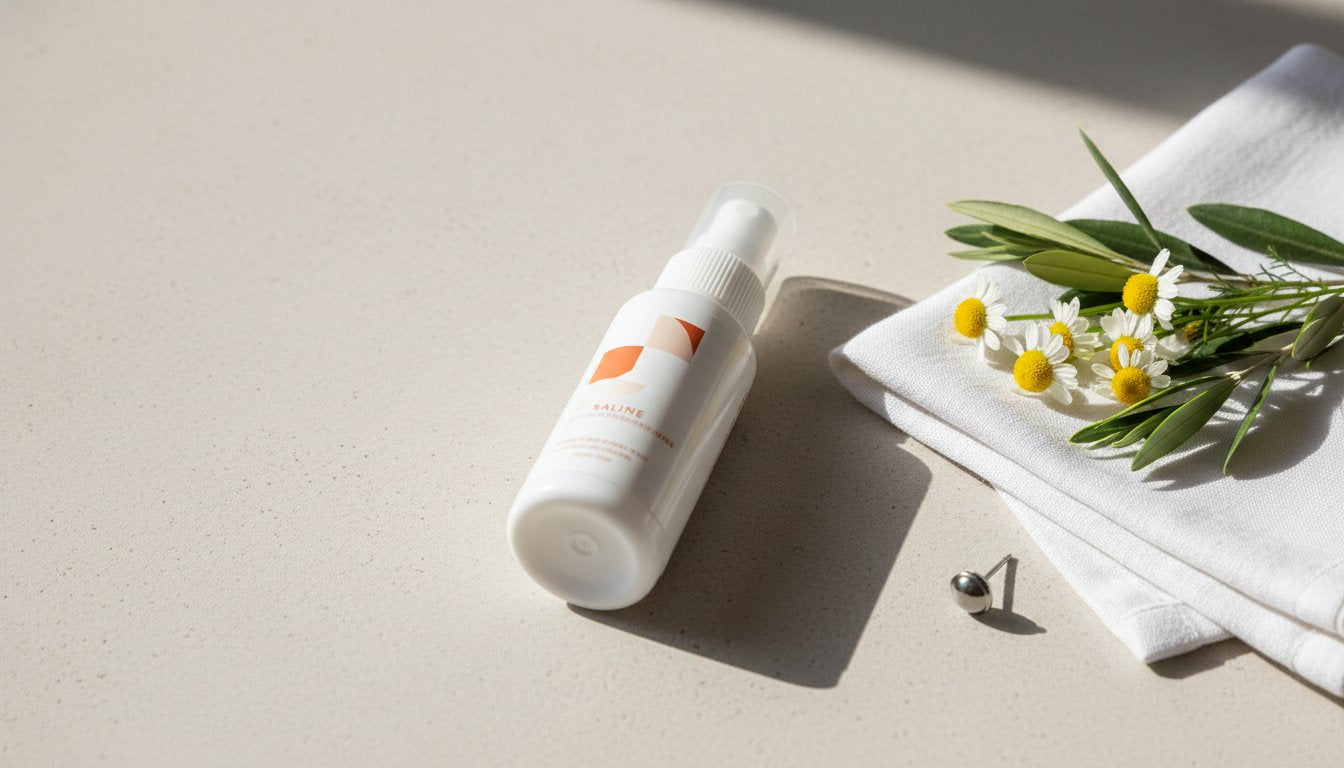
Your instinct to aggressively scrub a fresh wound with harsh chemicals might be the very thing sabotaging your skin's recovery. A new piercing is a delicate biological project that requires strategic inactivity rather than constant interference. After the initial excitement fades, it's common to feel a sense of physical vulnerability. You might worry about permanent scarring or feel confused by the conflicting advice circulating online. We understand that you want to protect your investment and your health with precision, safety, and care.
This 2026 guide provides the definitive list of what not to do with a new piercing to ensure your body accepts its new adornment without the heartbreak of infection. We will replace the myths of the past with expert-backed protocols that prioritize your long-term well-being. You'll discover the specific actions that cause jewelry rejection, why sterile saline is your most vital ally, and the exact timeline for when you can finally stop being extra careful. It is time to move past the discomfort and gain total confidence in your healing journey.
Key Takeaways
- Recognize your piercing as a biological project where the body builds a delicate fistula of skin around the jewelry.
- Prevent jewelry migration and tissue trauma by avoiding physical triggers like fidgeting, twisting, or sleeping on the fresh site.
- Learn exactly what not to do with a new piercing by rejecting harsh antiseptics like alcohol and hydrogen peroxide that kill healing cells.
- Safeguard your recovery by avoiding bacteria-rich environments like pools and hot tubs until the internal tissue has matured.
- Foster a predictable healing environment with a consistent, gentle routine: cleanse, protect, and stabilize using sterile saline and surgical steel.
The Biology of Healing: Why Your New Piercing is a 'Biological Project'
Your new piercing is far more than a style statement. It is a biological project. From a clinical perspective, a piercing is a puncture wound that contains a foreign object. While your immune system's natural instinct is to reject this intruder, the goal of professional aftercare is to encourage your body to accept it. This process requires patience, precision, and discipline. Your body must undergo a complex cellular transformation to ensure the jewelry remains a permanent part of your aesthetic expression.
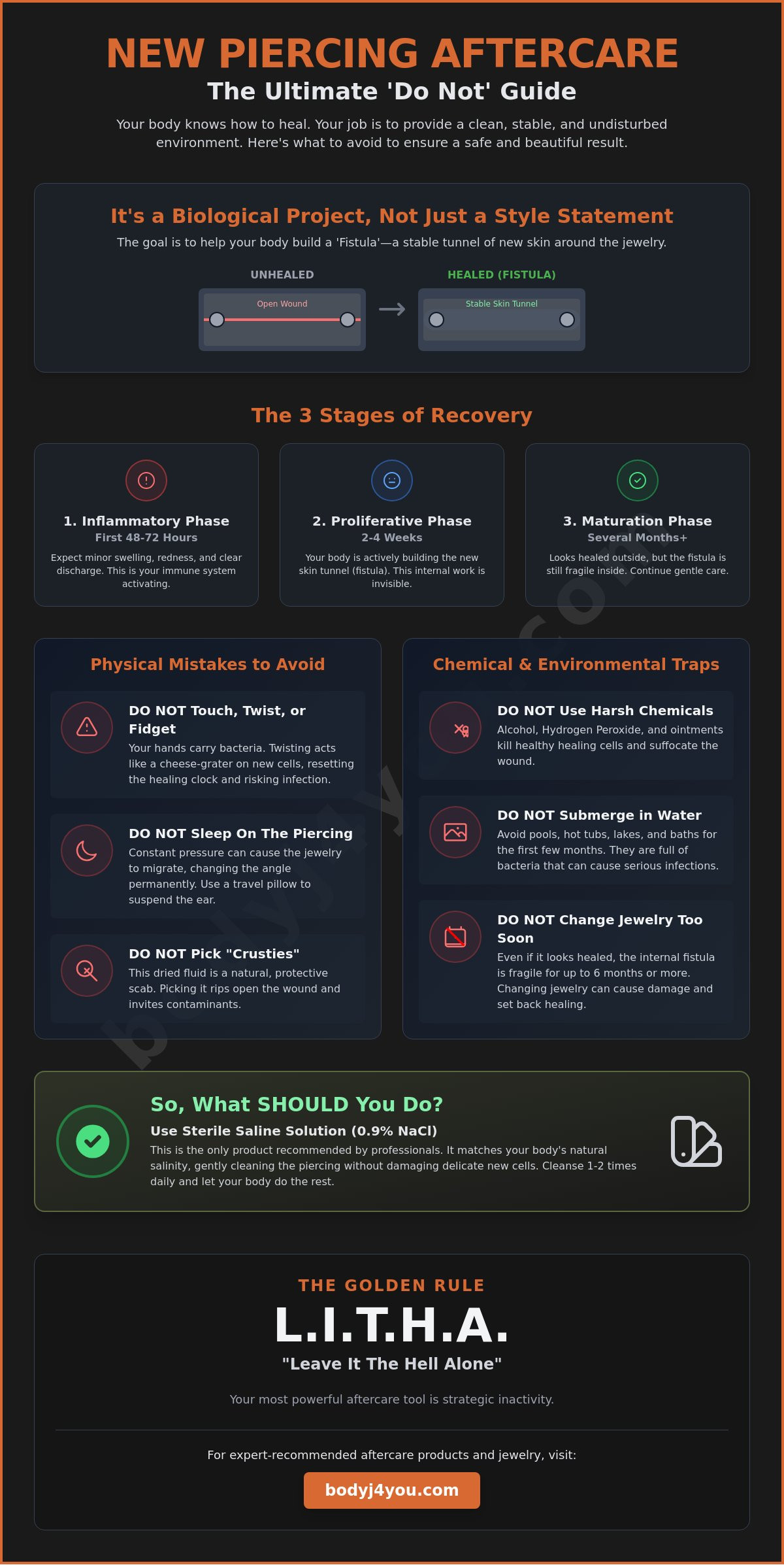
The primary objective of this healing journey is the creation of a fistula. This is a tubular tunnel of skin that grows from both entry points of the wound until they meet in the middle. The Biology of Healing dictates that this new skin is incredibly fragile. During the first 2 to 4 weeks, your body focuses on cellular regeneration to build these internal walls. If you disrupt this process, you risk scarring, migration, or total rejection. Understanding what not to do with a new piercing starts with respecting this delicate internal construction.
The Three Stages of Piercing Recovery
Recovery occurs in three distinct waves. The Inflammatory Phase happens in the first 48 to 72 hours. Slight swelling, redness, and clear discharge are normal signs of your immune system's activation. The Proliferative Phase follows, where your body aggressively builds the new skin tunnel. Finally, the Maturation Phase can last several months. During this time, the piercing may look healed on the outside, but the internal fistula is still thin and easily damaged. You must remain vigilant even when the surface appears perfect.
Why 'Strategic Inactivity' is Your Best Tool
In the piercing community, we advocate for LITHA: Leave It The Hell Alone. This isn't just a catchy acronym; it's a professional standard for wound management. Your immune system is a stabilizing force that works best without interference. Excessive movement or "fidgeting" with your jewelry acts like a microscopic cheese-grater against the new epithelial cells. This is why you should never rotate your jewelry. The old myth that jewelry will "stick" to your skin is false. Rotating the bar breaks the tiny skin cells trying to form the fistula, which resets your healing clock and introduces bacteria.
When considering what not to do with a new piercing, remember that your body knows how to heal. Your job is simply to provide a clean, stable, and undisturbed environment for that healing to occur. Avoid the urge to touch, twist, or over-clean. Strategic inactivity ensures your piercing transitions from a fresh wound to a permanent, beautiful modification.
Physical Mistakes: What to Avoid to Prevent Migration and Irritation
Physical trauma is often the silent killer of a perfect piercing design. Beyond the initial puncture, your daily habits dictate whether your jewelry stays flush or begins to migrate. When researching what not to do with a new piercing, physical interference tops the list of preventable risks. It isn't just about avoiding temporary pain. It's about protecting the structural integrity of your body's healing process. Every snag, pull, or bump creates microscopic tears in the developing fistula, which can lead to permanent scarring.
The Danger of Touching and Twisting
Your hands are a primary vector for bacteria, carrying oils and pathogens that can overwhelm a fresh wound. Even a "quick check" to see if the jewelry is secure can introduce infection. One of the most common mistakes is picking at "crusties." This dried lymph fluid acts as a natural biological seal, protecting the wound from external contaminants. Removing it prematurely is like ripping off a protective scab, which resets the healing timeline. If you notice localized swelling or a small growth, you should learn how to get rid of a piercing bump fast before the irritation becomes a long-term issue.
Sleeping Habits and Pressure Risks
Constant pressure is a major catalyst for migration, where the piercing actually shifts its angle within the tissue. This is particularly common with an industrial piercing or helix ornament. If you're a side-sleeper, you must avoid laying directly on the fresh site. A simple travel pillow hack—placing your ear in the center hole—allows you to sleep comfortably without crushing the tissue. These precautions align with the Association of Professional Piercers aftercare instructions, which emphasize minimizing trauma to promote stability and wellness.
Environmental hazards also require your constant vigilance. Be mindful of hairbrushes, over-the-ear headphones, and tight-fitting clothing that can snag and tear the delicate skin. The "towel trap" is another frequent hazard. Standard terry cloth towels have tiny loops that catch on jewelry with ease. Instead, pat the area dry with a clean, disposable paper towel or use a hair dryer on a cool setting. For those who want to maintain a sterile environment without physical friction, using a dedicated saline piercing aftercare spray is the safest way to cleanse and protect your new aesthetic investment.
Chemical Traps: Products That Sabotage the Healing Process
The impulse to douse a fresh wound in stinging antiseptics is a relic of outdated medical advice. While alcohol and hydrogen peroxide are effective at sterilizing hard surfaces, they are devastating to living tissue. These chemicals are non-discriminatory cell-killers. They destroy the very fibroblasts and epithelial cells your body is working so hard to produce. When you consider what not to do with a new piercing, remember that aggressive sterilization often leads to delayed healing and permanent scarring. You want to nurture your skin, not punish it.
Daily hygiene products also pose a significant threat to your body's recovery. Harsh soaps, synthetic fragrances, and dyes can trigger chemical dermatitis in a fresh wound. This leads to redness, itching, and a compromised skin barrier. When you're identifying what not to do with a new piercing, look closely at your shower routine. Keep shampoos and body washes away from the site. If contact occurs, rinse immediately with clean water and follow up with a pH-balanced saline solution to neutralize any residual irritants. Your goal is a clean, neutral environment where biology can take the lead.
The Myth of DIY Sea Salt Soaks
Mixing your own salt solution in a kitchen cup is a recipe for irritation. Achieving the precise 0.9% isotonic ratio—the exact salt-to-water balance of your blood—is nearly impossible without laboratory equipment. Too much salt dehydrates the wound; too little creates an osmotic imbalance. Most household table salt contains iodine or anti-caking agents that irritate the fistula. Additionally, tap water often contains chlorine, minerals, or trace bacteria that can turn a simple soak into a source of infection. Precision matters when it comes to your health.
Ointments and the 'Suffocation' Effect
Petroleum-based ointments like Neosporin or Bacitracin are designed for shallow scrapes, not deep puncture wounds. A piercing is an aerobic biological project; it requires oxygen to heal from the inside out. Thick creams create an occlusive barrier that effectively suffocates the wound. This 'suffocation' traps heat, moisture, and anaerobic bacteria inside the fistula, which is a primary cause of painful abscesses. Instead of heavy creams, switch to a sterile saline spray for piercings to maintain a clean, breathable environment. This approach ensures your body has the air it needs to build a healthy skin tunnel without the risk of trapped pathogens.
Jewelry and Environmental 'No-Nos' for the First 6 Months
The first six months represent a transitional phase where the fistula is established but remains vulnerable to environmental stressors. During this period, your jewelry acts as the primary stabilizer for the wound. Introducing low-quality metals like nickel or brass into an unhealed puncture is a significant risk. These materials often oxidize or trigger allergic reactions that mimic infection, causing the tissue to swell and reject the hardware. When you're learning what not to do with a new piercing, prioritize the purity of your adornment. High-quality materials like surgical steel provide the biocompatibility required for long-term health and aesthetic refinement.
Why Changing Jewelry Too Early is Risky
The most common mistake made by enthusiasts is changing jewelry before the internal tissue has matured. While the surface may look calm, the internal tunnel is still incredibly thin. Removing jewelry too soon can cause the hole to close within seconds, leading to a traumatic and painful re-insertion. There is also the "cheese cutter" effect. This occurs when thin, low-quality fashion jewelry slices through unhealed tissue under the slightest pressure. It is vital to distinguish between "downsizing"—where a professional swaps a long bar for a shorter one to promote stability—and "changing for style." You should wait for the full maturation period before experimenting with new looks to avoid resetting your progress.
Swimming and Bacteria Submersion
Standing water is a biological reservoir for pathogens. Whether it's the chemical irritation of a chlorinated pool or the high bacterial load of a natural lake, submersion is a top environmental hazard. When identifying what not to do with a new piercing, the answer is clear: avoid swimming for at least 4 to 8 weeks. If you must enter the water, use a waterproof bandage to create a total seal over the site. Follow the "Shower Rinse" protocol immediately after: flush the area with fresh water and apply a sterile saline spray to remove any residual contaminants. This ensures your biological project remains protected from external threats during its most vulnerable stage.
Daily beauty routines also require strategic adjustment. Applying makeup, powders, or heavy skincare products directly over a healing septum piercing or facial ornament can clog the entry points. These products trap bacteria and prevent the aerobic healing process. You should leave a clear "safety zone" around your jewelry when applying your morning regimen. To ensure your collection stays safe and stable, browse our selection of Internal Threaded Labret Studs and Industrial Barbells designed for maximum biocompatibility and comfort.
The Path to Permanent Style: BodyJ4You Aftercare Essentials
Establishing a successful piercing is a journey that moves from initial vulnerability to permanent aesthetic refinement. While the previous sections detailed what not to do with a new piercing, your long-term success depends on the professional-grade tools you choose to support your body. A disciplined routine creates a stabilizing force that allows your immune system to focus on building a healthy fistula. By combining clinical precision with high-quality materials, you ensure your self-expression remains vibrant and irritation-free for years to come.
The BodyJ4You Sterile Saline Protocol
Precision aftercare requires a "no-touch" approach to prevent cross-contamination and physical trauma. We recommend a simple, two-minute daily routine using a fine-mist saline spray. This allows the solution to penetrate the wound and flush out debris without the need for cotton swabs or manual manipulation. Once the initial inflammatory phase has passed, incorporating natural elements like Jojoba and Rosehip oils can support skin elasticity and long-term tissue health. Aftercare consistency is the #1 factor in piercing longevity. To maintain the integrity of your new modification, always opt for biocompatible surgical steel jewelry that resists oxidation and bacterial buildup.
When to Seek Professional Help
Nurturing your body means knowing when to step back and seek expert intervention. It is vital to differentiate between "normal" lymph fluid—which is clear or pale yellow and dries into "crusties"—and infectious pus, which is thick, green, or foul-smelling. Use the "Heat and Redness" test: if the area feels hot to the touch and the redness is spreading away from the puncture site, you may be experiencing early-stage cellulitis. If you suspect an infection, you must never take the jewelry out yourself. Removing the hardware can cause the entry points to close, trapping the bacteria inside and creating a painful abscess. Contact your piercer or a medical professional immediately while keeping the jewelry in place to allow for drainage.
The 'Daily Dozen' Checklist for 2026
- Wash your hands thoroughly before any proximity to the piercing.
- Mist the site with sterile saline twice daily.
- Allow the area to air-dry or use a cool hair dryer setting.
- Check the tightness of threaded ends only with clean, gloved hands.
- Avoid all "no-no" chemicals like alcohol or peroxide.
- Sleep on a travel pillow to eliminate pressure on ear piercings.
- Sanitize your phone screen and glasses daily.
- Change your pillowcase every two nights to ensure a clean surface.
- Rinse the piercing with fresh water at the end of every shower.
- Monitor the site for unusual heat, swelling, or dark discharge.
- Keep hair and accessories away from the jewelry to prevent snags.
- Practice patience; the internal tissue takes months to fully mature.
Your journey toward a curated look is a reflection of your commitment to self-care and quality. By following these expert protocols and avoiding the common pitfalls of what not to do with a new piercing, you protect your body's healing process. Trust in the biology of your skin, maintain your routine, and enjoy the confidence that comes with a perfectly healed modification.
Secure Your Aesthetic Future
Your journey toward a fully healed, curated look is a testament to your patience and your body's resilience. Success relies on a simple yet disciplined philosophy: protect the fistula, avoid unnecessary trauma, and nourish the skin. By internalizing exactly what not to do with a new piercing, you move beyond the fear of rejection and toward a lifetime of confident self-expression. Remember that strategic inactivity is your greatest tool; your body knows how to heal when provided with a stable and clean environment.
You don't have to navigate this process alone. With over 20 years of industry expertise, BodyJ4You provides the professional-grade support you need. Our USA-manufactured skincare line is trusted by professional piercers worldwide to deliver clinical results with a nurturing touch. It's time to stop the guesswork and invest in the long-term well-being of your skin. Shop BodyJ4You Professional Aftercare Solutions today to ensure your biological project becomes a permanent masterpiece. Your future style starts with the care you provide today.
Frequently Asked Questions
Can I use tea tree oil on a new piercing bump?
No, tea tree oil is too caustic for an unhealed fistula. It often causes localized dehydration and chemical burns that worsen irritation bumps rather than soothing them. For managing localized swelling, a balanced Piercing Bump Treatment Oil is a safer, more refined choice. This provides the therapeutic benefits of botanicals without compromising the integrity of your delicate new skin cells during the critical proliferative phase of healing.
Is it okay to go swimming in a pool if I just got my ears pierced?
You should wait a minimum of 4 to 8 weeks before submerging your new piercing in a pool. Chlorine acts as a harsh chemical irritant that can lead to dermatitis and delayed healing. If you can't avoid the water, use a waterproof bandage to seal the site. This is a vital part of knowing what not to do with a new piercing to prevent introducing pool-borne bacteria into your bloodstream.
What should I do if my piercing jewelry falls out while I'm sleeping?
Visit a professional piercer immediately and don't attempt to force the jewelry back in yourself. A fresh piercing can begin to close within minutes of the jewelry being removed. Forcing the bar back into the wound causes unnecessary tissue trauma and increases the risk of infection. A specialist can often use a sterile taper to safely re-insert the jewelry without resetting your entire healing timeline or causing permanent scarring.
How long do I actually have to wait before changing my nose ring?
Wait at least 2 to 3 months before attempting to change a nose ring for aesthetic reasons. While the surface may look calm, the internal skin tunnel requires this time to stabilize and gain structural integrity. Changing jewelry prematurely can tear the fragile fistula and lead to jewelry rejection. Always prioritize high-quality materials like internal threaded labret studs for your first jewelry swap to ensure a smooth, irritation-free transition for your skin.
Can I use Q-tips to clean my new piercing?
Avoid using standard cotton swabs because the tiny fibers can snag on the jewelry and get trapped inside the wound. These trapped fibers act as a vector for bacteria and cause persistent irritation. Instead, use a specialized saline spray or dedicated piercing cleaning swabs that are designed to be lint-free. This approach maintains the purity of the site while effectively removing debris without the risk of physical snags or microscopic tissue damage.
Why is my new piercing itchy, and should I be worried?
Itching is typically a normal sign of the proliferative phase, as your body releases histamines to facilitate tissue repair. It's a reassuring indicator that your biological project is progressing as intended. You shouldn't be worried unless the itching is accompanied by spreading redness, excessive heat, or foul-smelling discharge. Resist the urge to scratch, as this introduces bacteria and disrupts the delicate new skin forming around your jewelry.
Is it normal for a new piercing to bleed a little bit on the first day?
Minor spotting or localized bleeding is perfectly normal during the first 24 to 48 hours of the inflammatory phase. Your body is responding to the initial puncture by sending blood and nutrients to the site to begin the repair process. Simply use a sterile saline spray to gently rinse away any dried blood. If the bleeding is heavy or doesn't stop with light pressure, consult your piercer for a professional assessment of the wound.
Can I use a DIY sea salt soak instead of buying a saline spray?
We don't recommend DIY sea salt soaks because achieving a sterile, 0.9% isotonic balance at home is nearly impossible. An incorrect salt-to-water ratio can either dehydrate the wound or cause cellular swelling. Using a pre-mixed saline piercing aftercare spray ensures you're applying a medical-grade, pH-balanced solution every time. This precision is a key factor in what not to do with a new piercing if you want to avoid unnecessary chemical stress.


